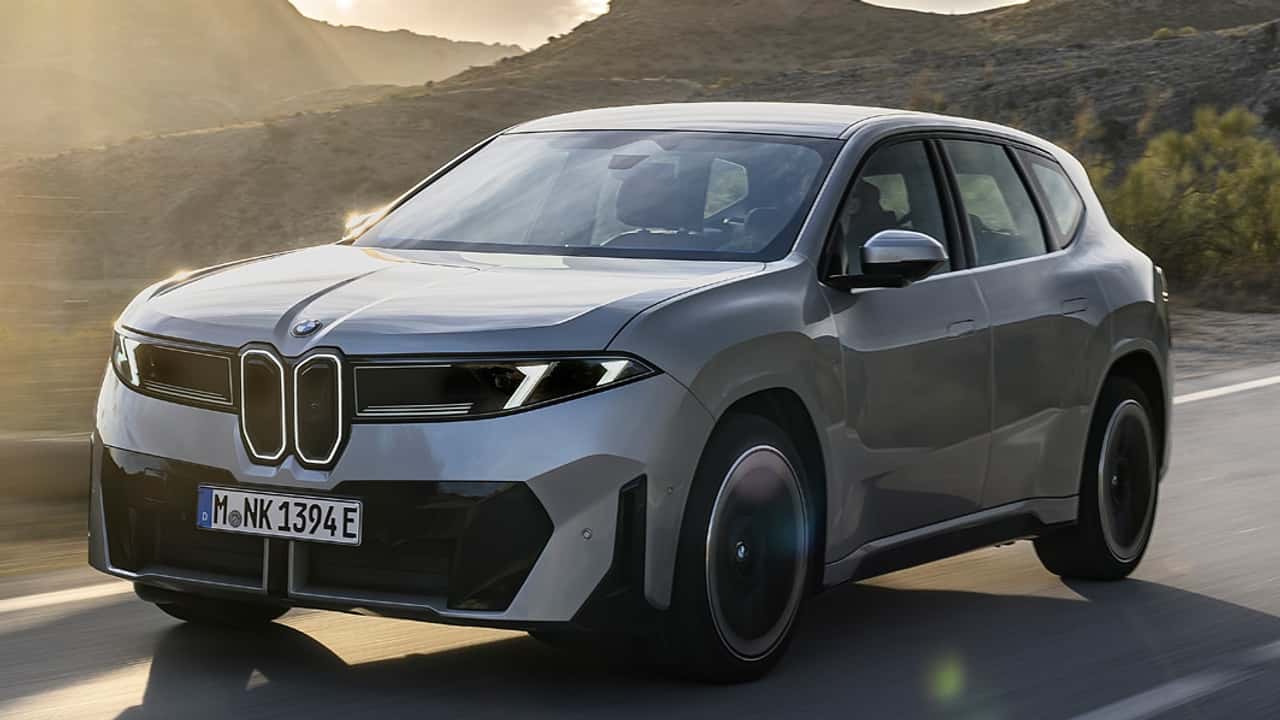
BMW expanded the iX3's EPA-estimated range by 34 miles ahead of the electric SUV's U.S. market entry. The Munich automaker achieved the bump through efficiency improvements rather than battery enlargement, demonstrating real engineering work instead of marketing theater.
The iX3 already commanded respect with its original range figures. This update pushes it further ahead of competitors like the Tesla Model Y and Audi Q4 e-tron in the premium electric crossover segment. Battery capacity remains unchanged, which means BMW optimized motor efficiency, reduced drivetrain losses, or refined aerodynamics. Such improvements matter because they translate to real-world usability without forcing customers into larger battery packs or higher price points.
Timing favors BMW. The U.S. EV market has matured past early-adopter phases. Buyers now demand practical range figures they'll actually achieve, not laboratory maximums. The iX3 lands in a crowded field where 300-plus mile range feels standard, not exceptional. This 34-mile gain could prove decisive for customers weighing the iX3 against cheaper Chinese imports or established Tesla models flooding dealer lots.
The enhancement signals BMW recognizes that engineering credibility beats grand claims. Range anxiety still haunts EV adoption among mainstream buyers. Delivering proven efficiency gains builds trust faster than flashy marketing campaigns.