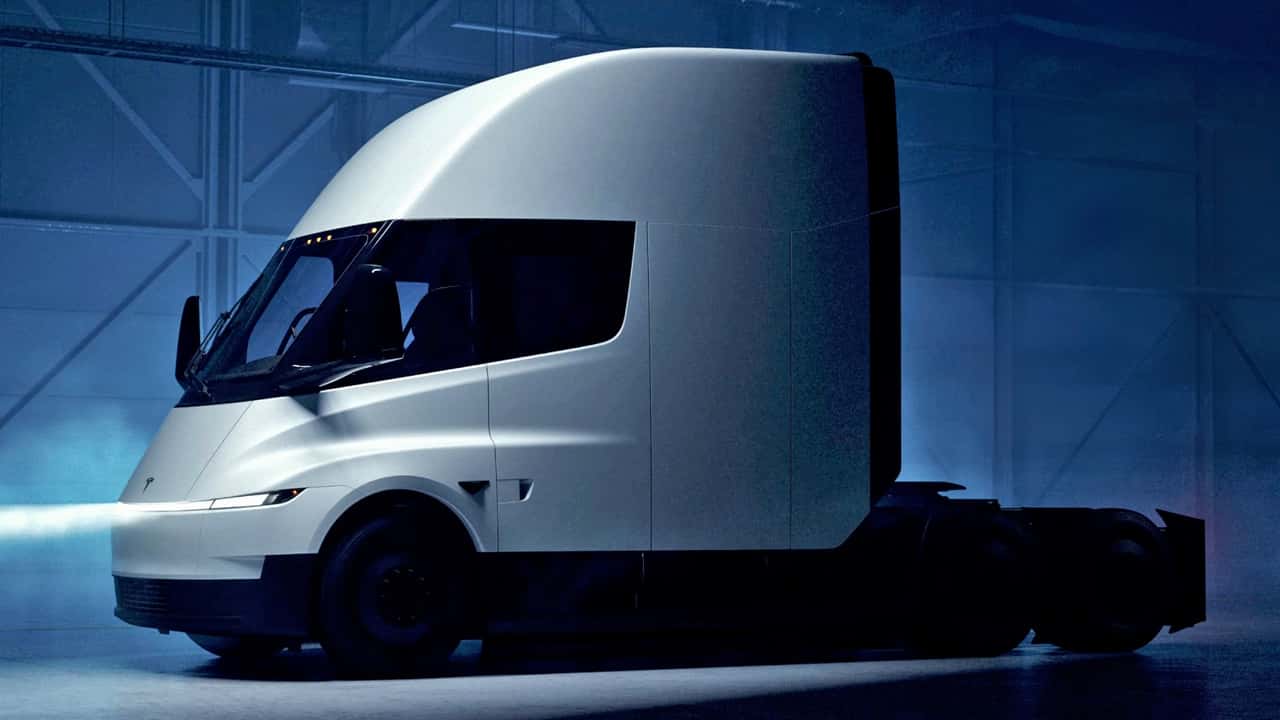
Tesla's Semi enters mass production after a six-year delay since its 2017 debut. The Class 8 electric truck promises 500-mile range and 1,000 horsepower, targeting logistics operators tired of diesel fuel costs and maintenance headaches. Production timing matters. Traditional truck makers like Volvo and Daimler launched competing EVs while Tesla refined its design, and early customers waited years for deliveries.
The Semi addresses a real market need. Trucking companies hemorrhage money on fuel and repairs. Tesla's vertical integration, battery manufacturing expertise, and Supercharger network give it structural advantages over competitors scrambling to build charging infrastructure. That said, the Class 8 market demands proof. Long-haul operators need reliability numbers, total cost of ownership data, and charging coverage beyond Tesla's existing network.
The delayed timeline reveals manufacturing reality. Building electric trucks at scale requires solving battery production, thermal management, and durability challenges that prototypes don't expose. Tesla finally has answers. Mass production validates the engineering. Now comes the harder part. the company must deliver consistent quality and prove the Semi works for fleets running 24/7 routes, not press releases. If Tesla executes, it reshapes heavy trucking. If it stumbles, competitors gain breathing room.