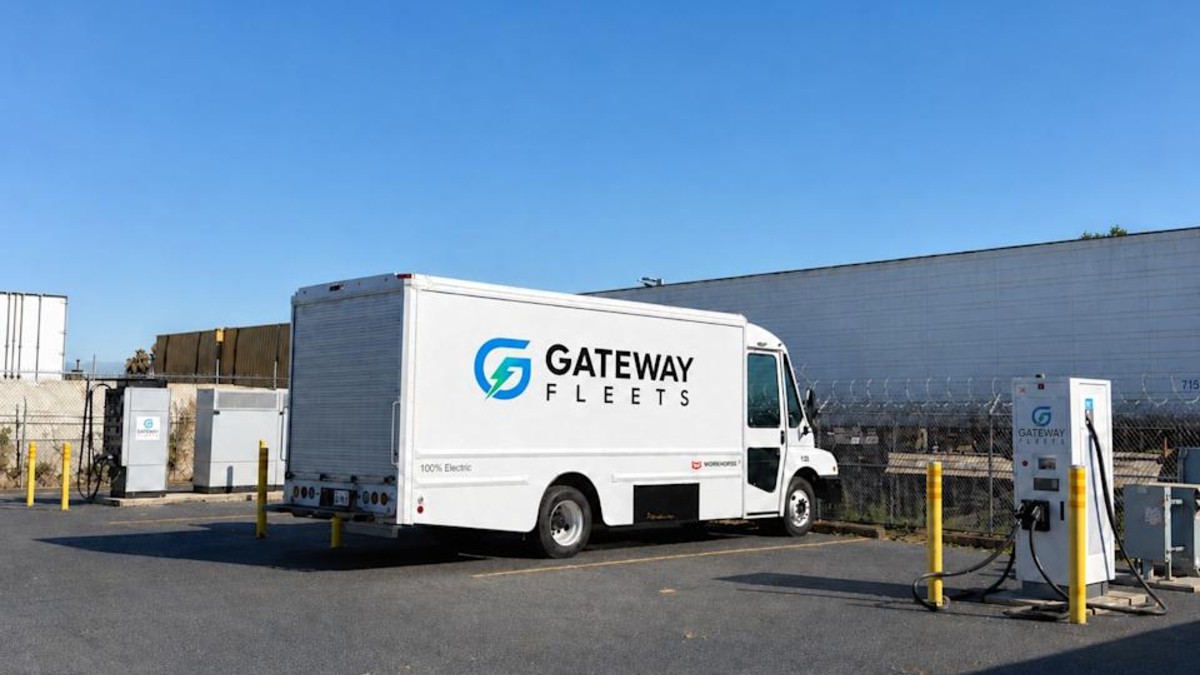
Workhorse secured a 100-truck order for its electric van, signaling real fleet adoption momentum. The order hinges on a model engineered to slash operational costs by 65 percent compared to diesel equivalents. That math works because electric vans eliminate fuel expenses, reduce maintenance demands, and qualify for tax incentives that fleet operators can actually leverage.
The deal proves what engineers have long understood. Electric powertrains deliver lower total cost of ownership in high-utilization applications like last-mile delivery. Workhorse targets exactly that use case. The company's vans fit depot-to-destination work where consistent routes and predictable mileage play to EV strengths.
This order matters because it moves past EV enthusiasm into business reality. Fleet operators don't buy vehicles on ideology. They buy on spreadsheets. A 65 percent cost reduction, if Workhorse delivers it, convinces logistics companies to electrify faster than any marketing campaign. That scale shift changes the supply chain and manufacturing calculus across the entire industry.
The real test comes in execution. Workhorse must hit those cost projections, ensure reliability, and maintain support infrastructure. Success here opens doors to the thousands of small fleets still running aging diesel vans.