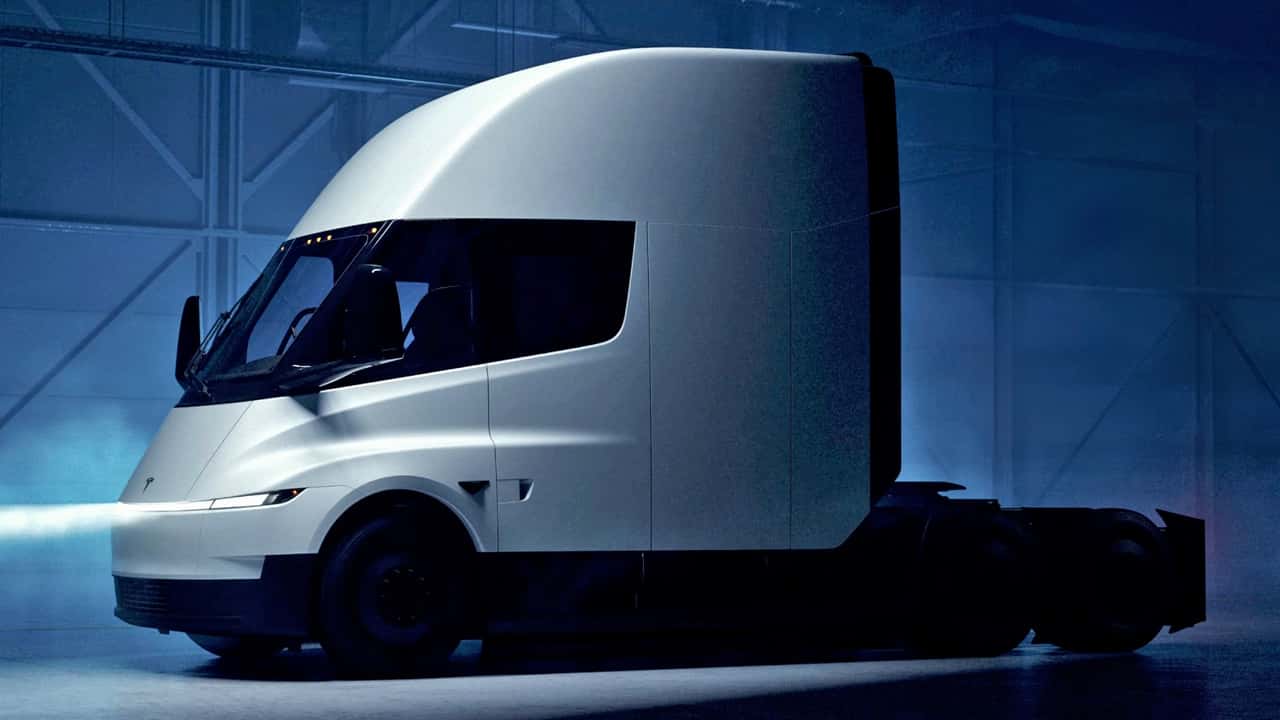
Tesla's Semi enters mass production after a six-year development cycle that tested investor patience and proved skeptics right about EV truck timelines. The Class 8 hauler, first revealed in 2017, now moves from limited production to full-scale manufacturing, tackling a market where diesel still dominates and charging infrastructure remains sparse.
The Semi's real-world specs matter here. Tesla claims 500-mile range, sub-20-minute charging at Megachargers, and a 1,200 horsepower powertrain. Pepsi and other early adopters report lower per-mile operating costs, though total cost of ownership depends entirely on electricity rates and route planning. That's not hype. That's engineering.
The delay reveals manufacturing reality. Battery scaling for trucks demands more engineering rigor than passenger vehicles. Thermal management, weight distribution, and chassis durability don't accept shortcuts. Tesla's Gigafactory Nevada now produces the battery packs required for volume production.
Mass production changes the equation. Economies of scale compress battery costs. More vehicles on the road generate real data about reliability, uptime, and total cost of ownership. That data sells trucks better than any marketing claim.
The traditional truck makers still haven't fielded competitive Class 8 electric alternatives. Volvo, Daimler, and Paccar are developing options but remain years behind. Tesla's six-year head start translates into market advantage and supply chain leverage.