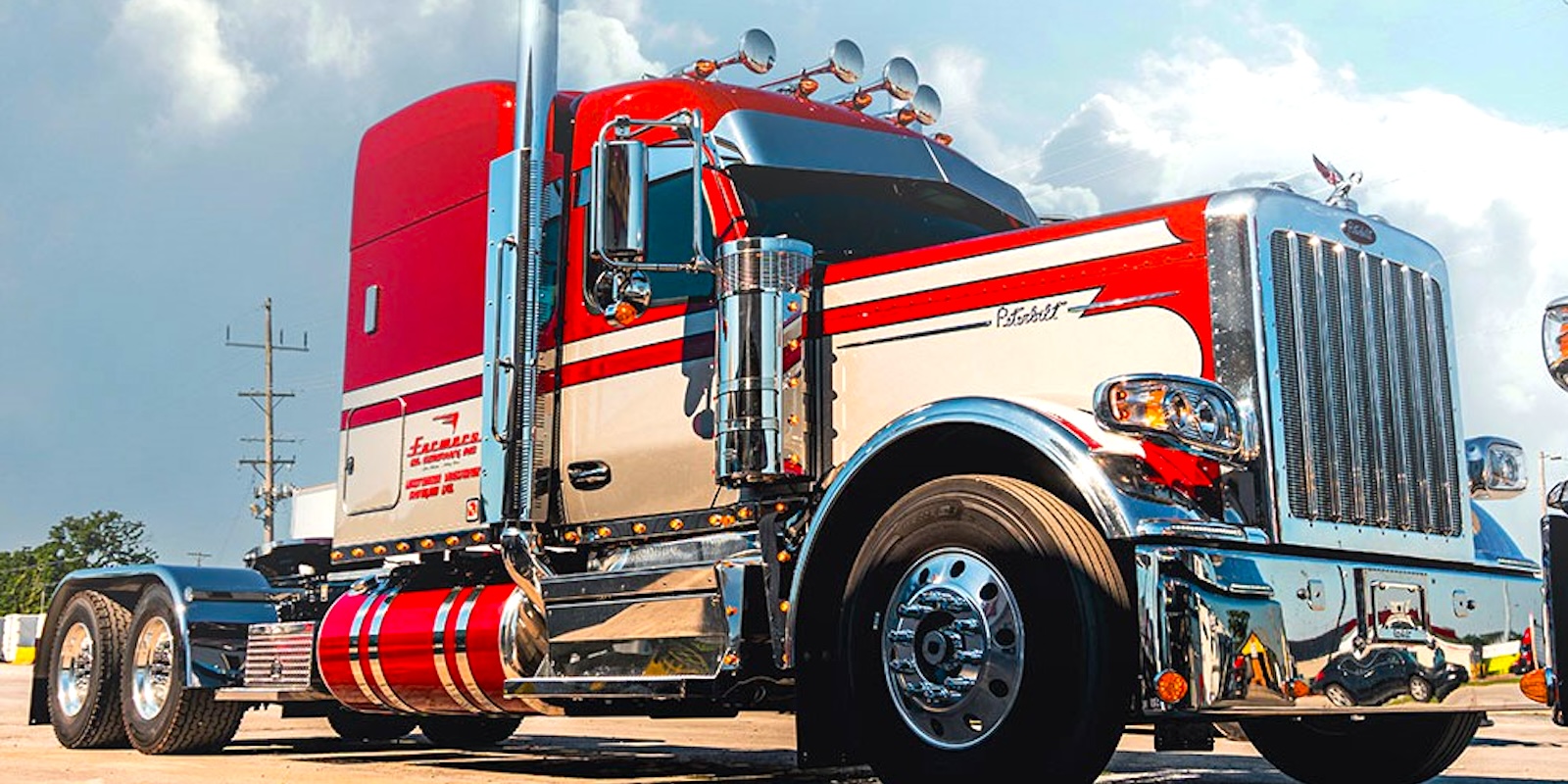
Electrek surveyed over 2,000 readers on a provocative question. Should governments restrict internal combustion engine vehicles to specific users, or ban them outright?
The survey taps into a real tension in the automotive industry. EV adoption accelerates in wealthy markets, yet ICE powertrains remain dominant globally and essential for commercial transport. Manufacturers face conflicting regulatory demands across regions. Europe pushes aggressive EV timelines. America takes a softer approach. Developing nations rely heavily on affordable gas and diesel vehicles.
Reader responses likely split along predictable lines. Some favor outright bans for private vehicles, citing emissions and climate urgency. Others argue commercial trucks, emergency services, and rural applications need ICE engines until battery technology matures further. Nuance matters here. A blanket prohibition ignores engineering reality. Battery energy density still cannot match diesel fuel for heavy-haul trucking or extended range in harsh climates.
The real question beneath the survey: How fast can infrastructure and technology actually evolve? Mandates sound clean in policy papers. Implementation reveals friction between idealism and logistics. No credible automotive engineer argues ICE has no future drawbacks. But replacing millions of functioning vehicles and vast refueling networks demands more than sentiment. It demands engineering solutions that work, not just exist on spec sheets.