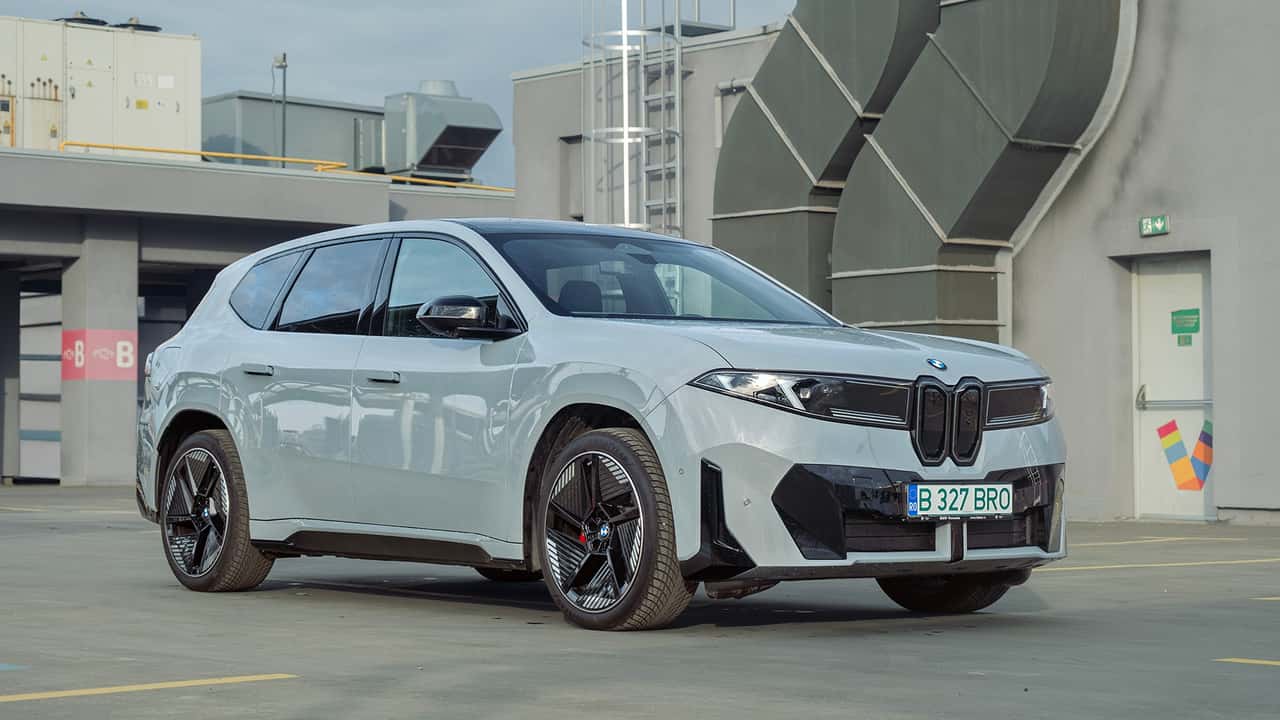
BMW's iX3 dominated a 620-mile real-world road trip challenge, requiring just two charging stops to outpace every competitor in the test. The result vindicates BMW's engineering approach for the electric midsize SUV, which pairs a 111 kWh battery with efficient drivetrain tuning designed for practical highway driving rather than peak output numbers.
The iX3's performance highlights a shift in EV competence away from acceleration metrics toward efficiency and charging logistics. Competitors struggled with longer charge times or worse real-world range, exposing gaps between EPA ratings and actual highway performance. BMW's result suggests the company understands that buyers shopping this segment prioritize getting somewhere reliably, not theater.
The two-stop requirement matters. It reflects genuine engineering optimization. The iX3 combines reasonable battery capacity with refined power management that doesn't sacrifice daily usability for spec-sheet appeal. That restraint translates to fewer high-speed charging cycles, which degrade battery longevity.
This test exposes the weakness in EV marketing that chases maximum range while ignoring efficiency trade-offs. The iX3 proves better engineering wins on the road, not in press releases.