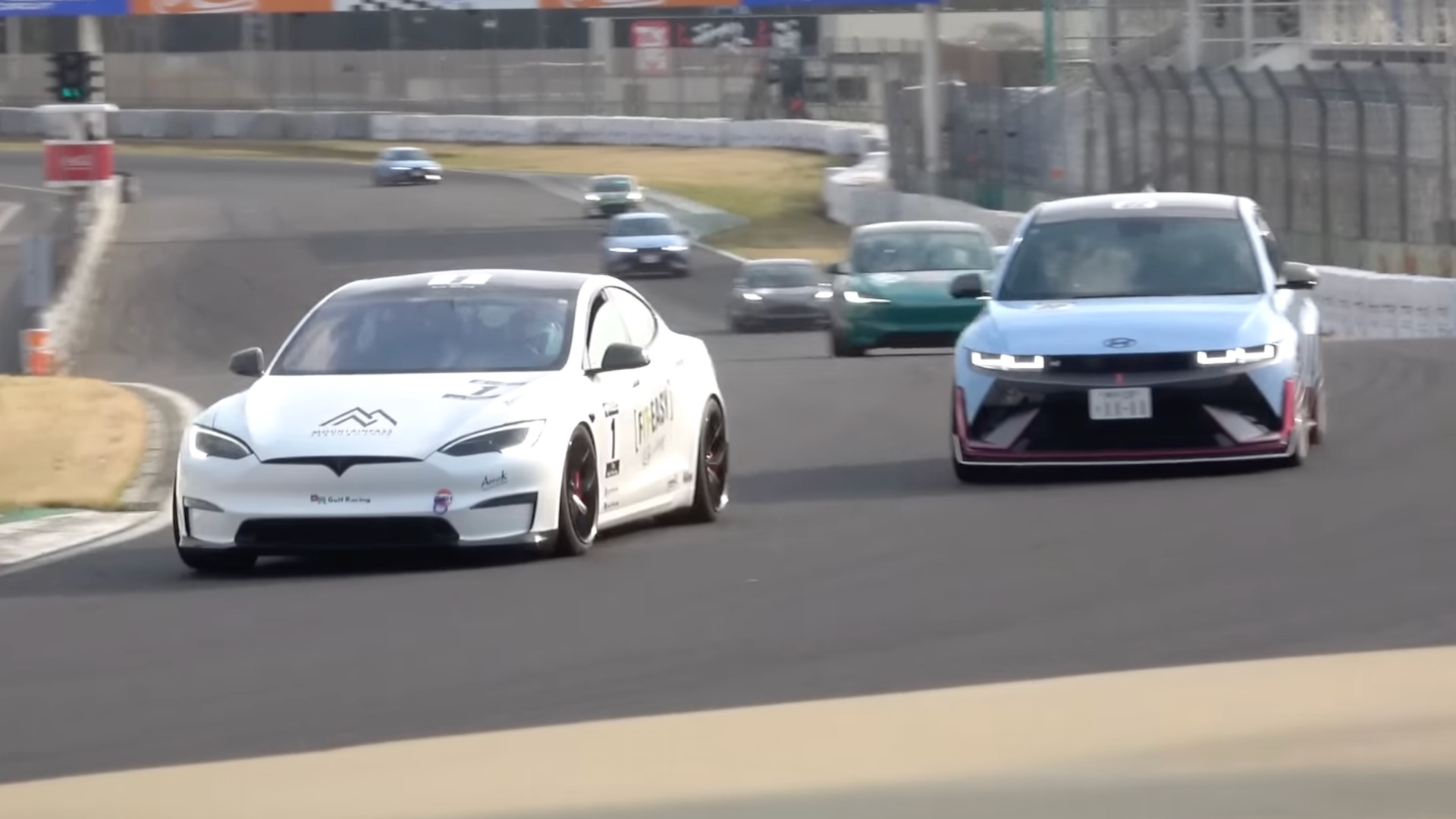
Electric racing faces an inherent problem: silence. Without engine noise, the spectacle drains away. One solution has emerged through Formula E broadcasts. Japanese commentary paired with jazz fusion soundtracks transforms the viewing experience, compensating for what the cars themselves don't deliver acoustically.
The approach works because it fills the void. Jazz rhythms match the visual intensity of racing without mimicking internal combustion drama. Japanese broadcasters layer energetic commentary over these tracks, creating narrative momentum that silent powertrains cannot generate alone.
Formula E should take notice. The series struggles with fan engagement partly because EVs sound like appliances, not machines. While electric powertrains deliver instant torque and genuine performance, they lose the primal audio component that made motorsport visceral for decades. Masking this weakness through production choices isn't a permanent fix, but it proves that excellent broadcasting can rehabilitate the viewing experience.
This isn't about dismissing EV racing capability. Modern electric racers accelerate faster than most gasoline competitors. The engineering delivers. The problem remains purely perceptual. Broadcasters, not engineers, can solve it. Better commentary, better sound design, better production values all narrow the entertainment gap between electric and traditional racing.