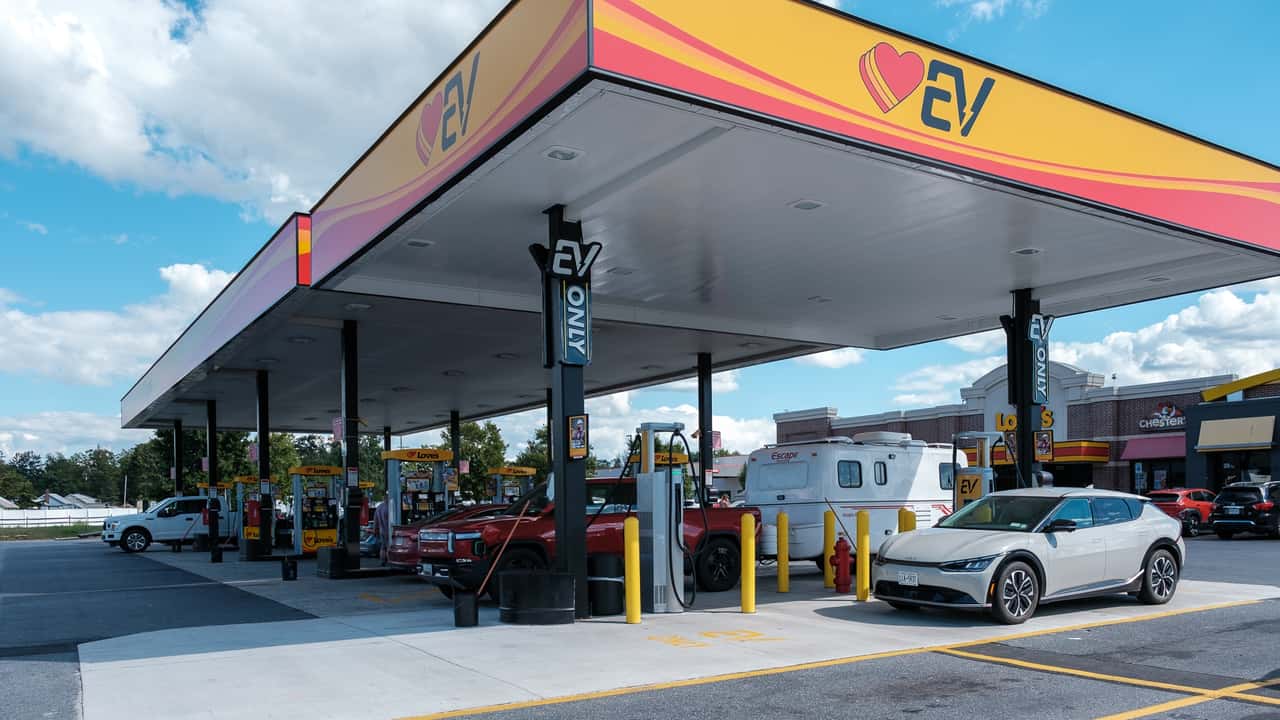
Electric vehicles reduced global fuel consumption in 2025, marking a genuine shift in powertrain economics rather than environmental virtue signaling. The data shows EVs didn't just nibble at petroleum demand. They carved meaningful chunks from it. This matters because oil majors built their business models on perpetual growth. That growth just stopped.
The math is straightforward. More EVs on roads equals fewer gallons pumped. Battery costs dropped below $100 per kilowatt-hour years ago, making EVs cheaper to own than internal combustion engines over their lifespans. Consumers noticed. Fleet operators noticed faster. Trucking companies began electrifying their routes where charging infrastructure exists. Rental agencies ordered EVs aggressively.
Gasoline demand didn't collapse overnight. Combustion engines still dominate most markets. But the trajectory shifted decisively. Refineries that counted on demand growth now face contraction planning. Gas station networks face consolidation. Insurance companies already repriced policies as repair data on EVs accumulates.
This isn't hype about emissions or climate. This is supply and demand economics working exactly as predicted. Cheaper technology wins. EVs are cheaper to fuel and maintain now. The internal combustion engine isn't dead yet, but its funeral is scheduled.