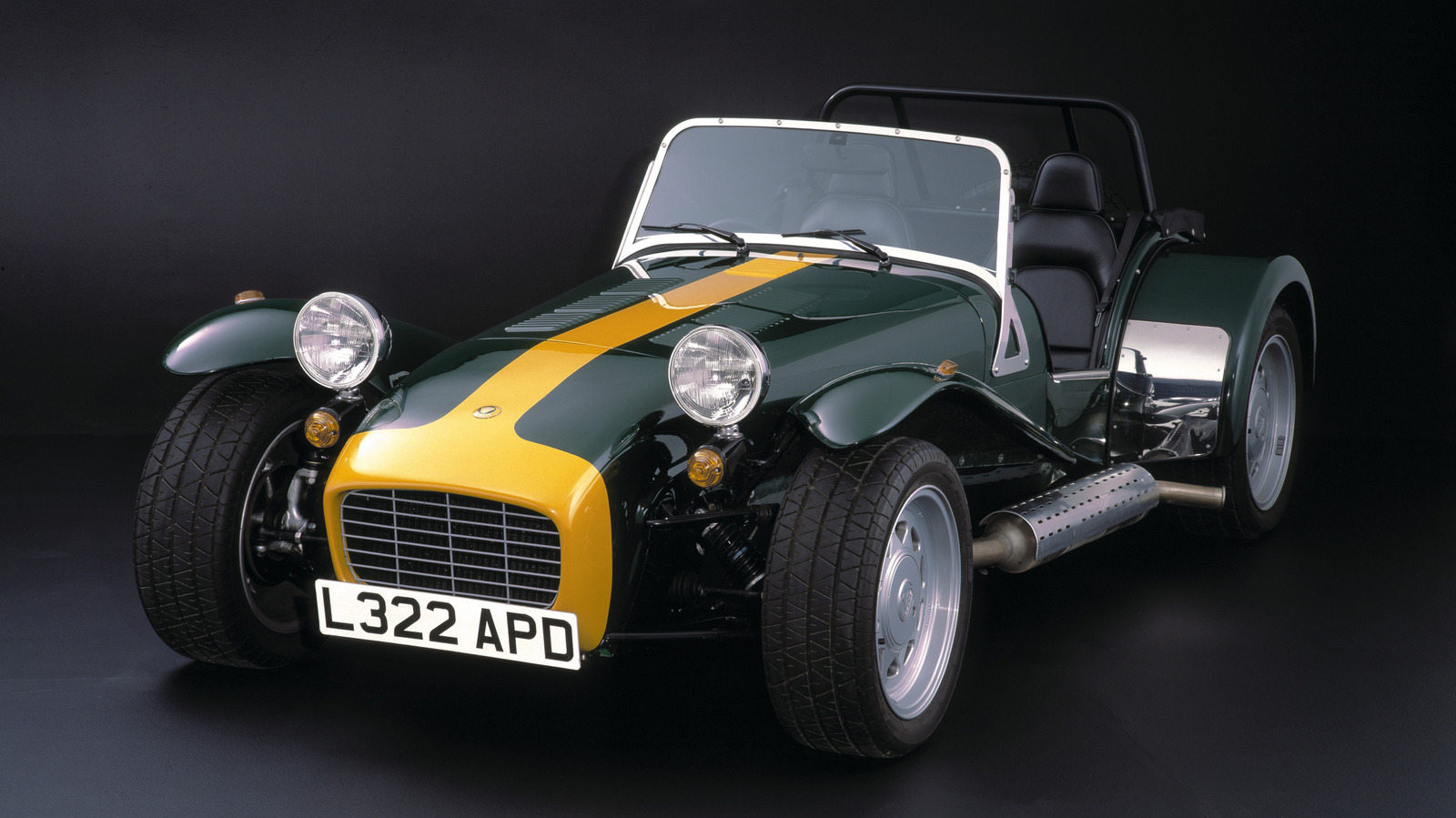
Kit car builders face a registration gauntlet that often exceeds the challenge of construction itself. States like California and Virginia enforce particularly strict requirements that demand documentation proving every component's origin and compliance history.
The process typically requires a completed vehicle inspection, proof of manufacture date for major parts, and detailed build records. California's Department of Motor Vehicles demands evidence that critical systems meet current safety standards. Virginia requires similar documentation plus a certified inspection from approved facilities.
Builders should start by contacting their state's DMV before beginning construction. This step clarifies which regulations apply and which inspectors will accept your documentation. Many states offer special categories like "street rod" or "kit car" registration that simplify the path forward, but requirements vary wildly.
The paperwork burden stems from legitimate safety concerns. Kit cars exist outside normal manufacturer oversight, so regulators need assurance that brakes, emissions systems, and structural integrity meet baseline standards. Filing incomplete applications guarantees rejection and delays.
Smart builders maintain meticulous records throughout construction. Photography of every major assembly, parts receipts, and correspondence with suppliers creates the documentation trail that expedites approval. This discipline separates successful registrations from years-long bureaucratic battles.