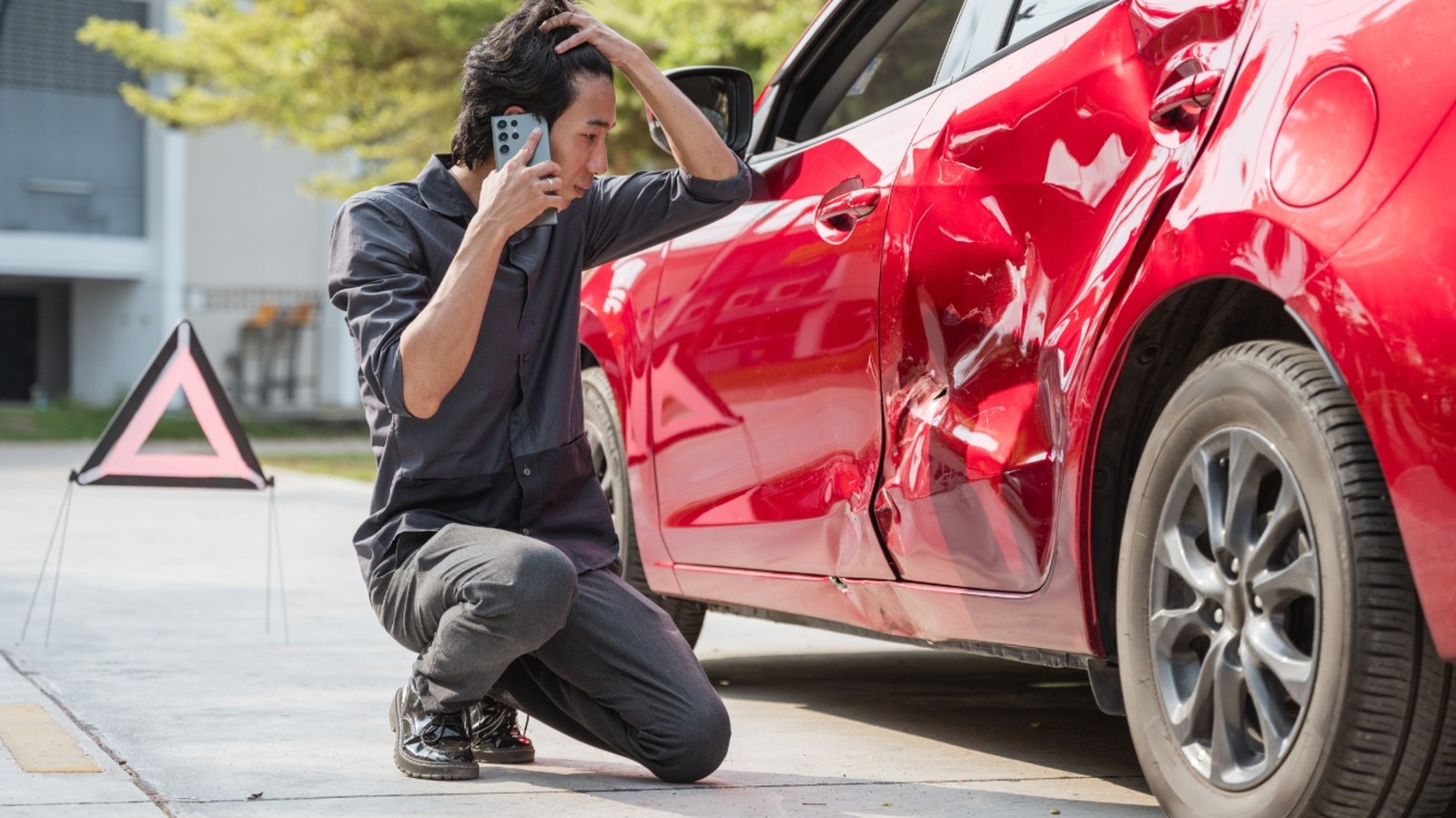
Modern cars collect far more data during accidents than most drivers realize. Event Data Recorders, the automotive equivalent of aircraft black boxes, capture detailed information about vehicle performance, driver input, and crash dynamics in the seconds before and during a collision.
These systems record specifics. Speed, throttle position, brake application, steering angle, and airbag deployment sequences all get logged. Some vehicles capture audio and video feeds from cabin cameras. Manufacturers argue this data proves invaluable for safety improvements and accident reconstruction.
The catch. Drivers rarely know what gets recorded or who accesses it. Insurance companies can request this data, and legal teams deploy it in liability cases. Privacy advocates warn that automakers collect this information without explicit consent, then store it on servers beyond owner control.
This extends beyond accidents. Many modern cars log daily driving patterns, location data, and vehicle diagnostics continuously. The data persists even after you sell the vehicle.
Regulators haven't caught up. The National Highway Traffic Safety Administration requires Event Data Recorders in new vehicles, but federal privacy standards for automotive data remain fragmented. Some states propose stricter rules around consent and data retention.
Car owners face a hard truth. Modern vehicles generate detailed records of their operation and location. Reading your owner's manual won't tell you the full scope of what gets collected.