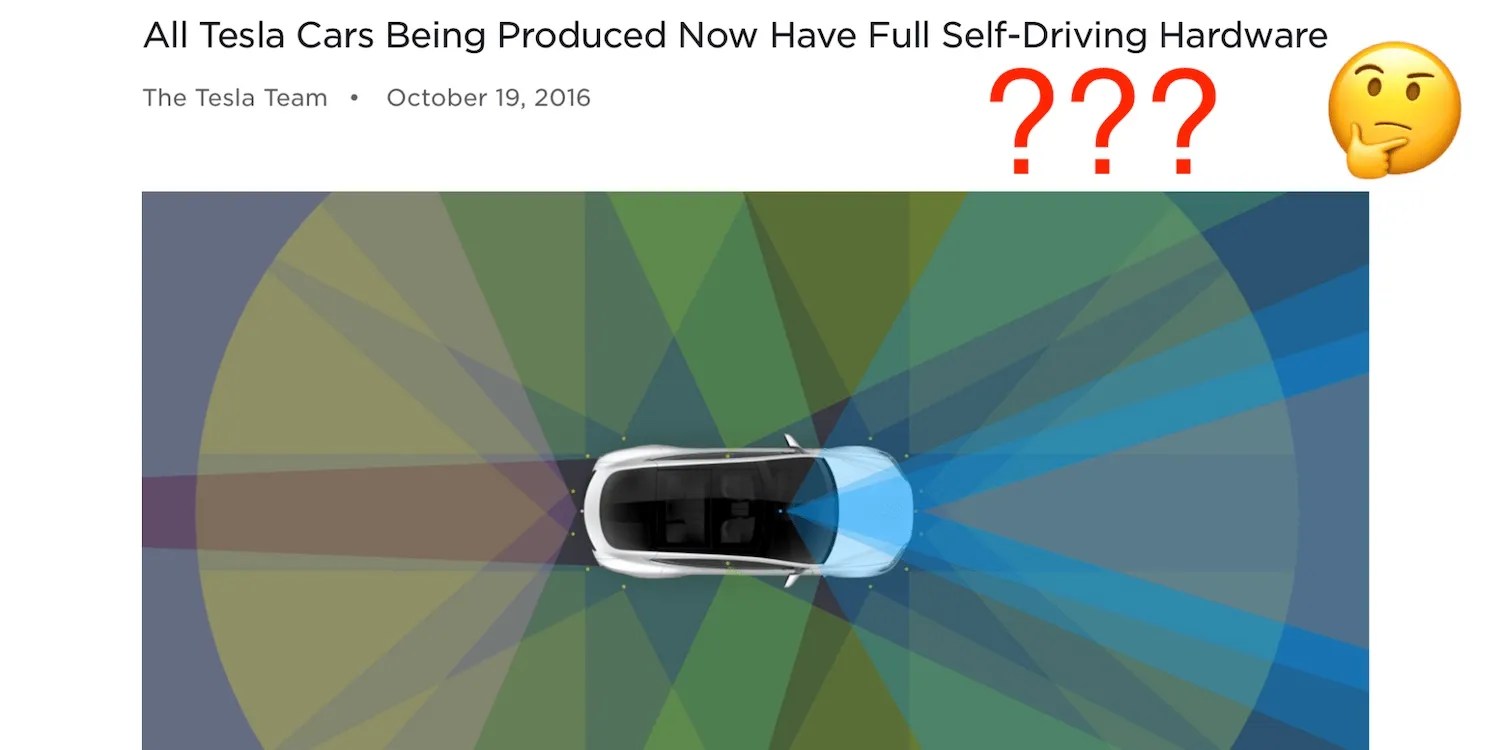
Tesla's Full Self-Driving promises finally faced courtroom scrutiny. Owner Ben Gawiser won a $10,600 judgment against the company for failing to deliver on FSD capabilities it had marketed for over a decade. Tesla claimed every vehicle it produced possessed self-driving hardware, a claim the company later deleted from its public materials.
Gawiser's victory matters because it establishes legal precedent. Tesla customers paid for functionality that never materialized, yet the automaker continues selling the same promises to new buyers. The judgment itself represents only the beginning of the fight. Tesla actively resists payment, filing delays even measured in days rather than months.
This case exposes the gap between Tesla's marketing and engineering reality. The company has spent years promising autonomous capability without delivering. Rather than fulfill its obligations or refund customers, Tesla weaponizes the legal system to drag out settlements. For an automaker that built its reputation on disruption and directness, the litigation tactics reveal a company willing to exhaust owners through bureaucratic resistance rather than face accountability.
The broader lesson: ambitious promises require engineering to match. Tesla's decade-long FSD saga demonstrates what happens when marketing outpaces actual capability.