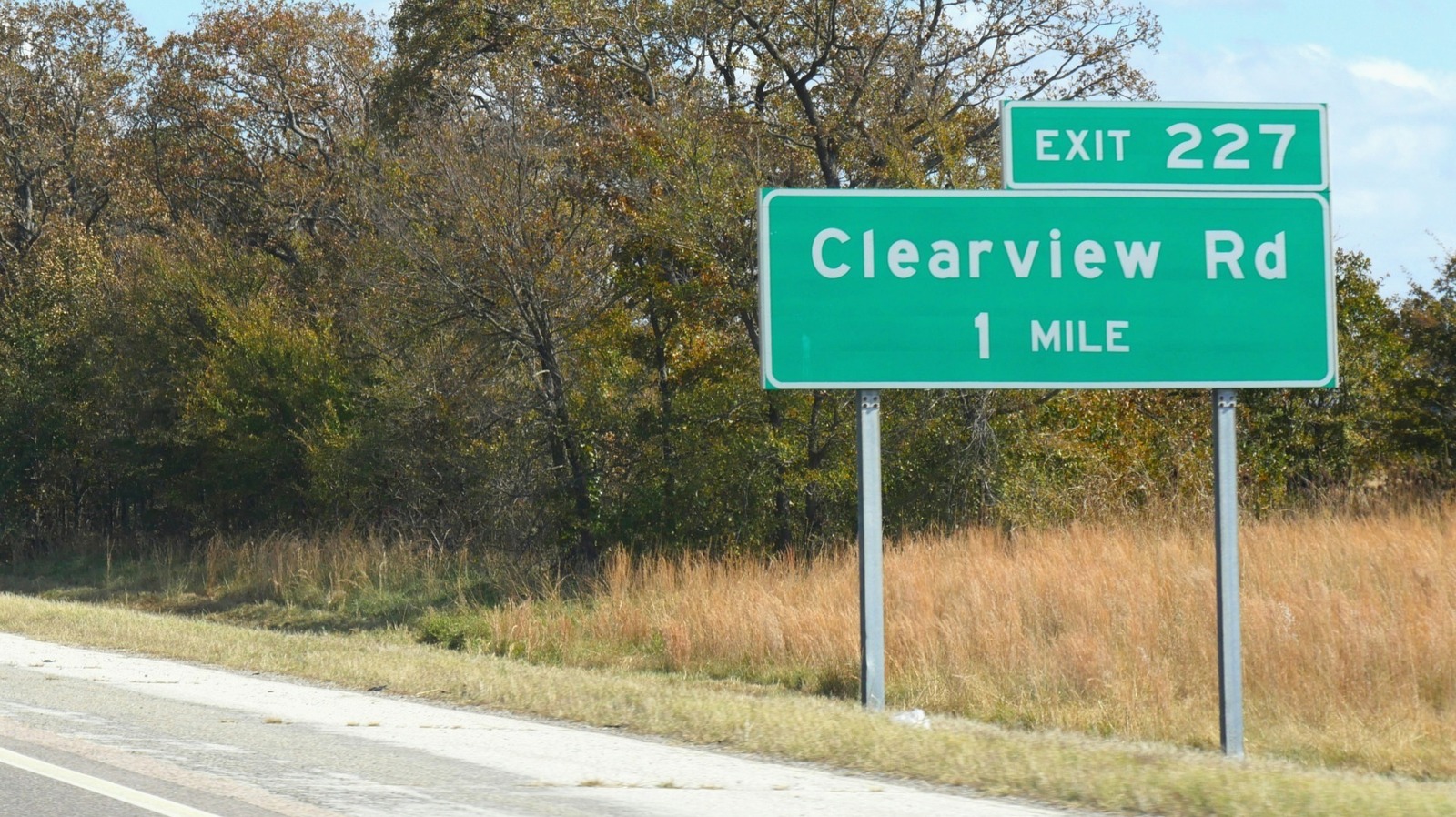
America's highway signs lack standardization. A decades-long battle between two competing fonts has created visual inconsistency across state lines and even within single routes.
The disagreement pits traditionalists against modernists. Older signs use the serif-based Standard Alphabet, which has guided drivers for generations. Newer signs employ the sans-serif FHWA Series, designed for improved legibility at highway speeds. States have adopted these fonts at different rates, creating a patchwork that confuses both engineers and drivers.
This fragmentation stems from regulatory gaps. The Federal Highway Administration recommends standards but lacks authority to mandate uniformity. States retain control over their signage, leading to inconsistent upgrades and replacements. Some regions have fully transitioned to the modern font. Others maintain their original systems.
The practical stakes matter. Font choice affects readability, driver reaction times, and safety outcomes. Serif fonts work well at close range but suffer at distance. Sans-serif designs perform better at speed. Standardization would improve consistency and reduce confusion for drivers crossing state boundaries.
The standoff reveals a broader pattern in American infrastructure. Without federal enforcement, standards become suggestions. Solving this requires either stricter regulation or voluntary state compliance, neither of which appears imminent.