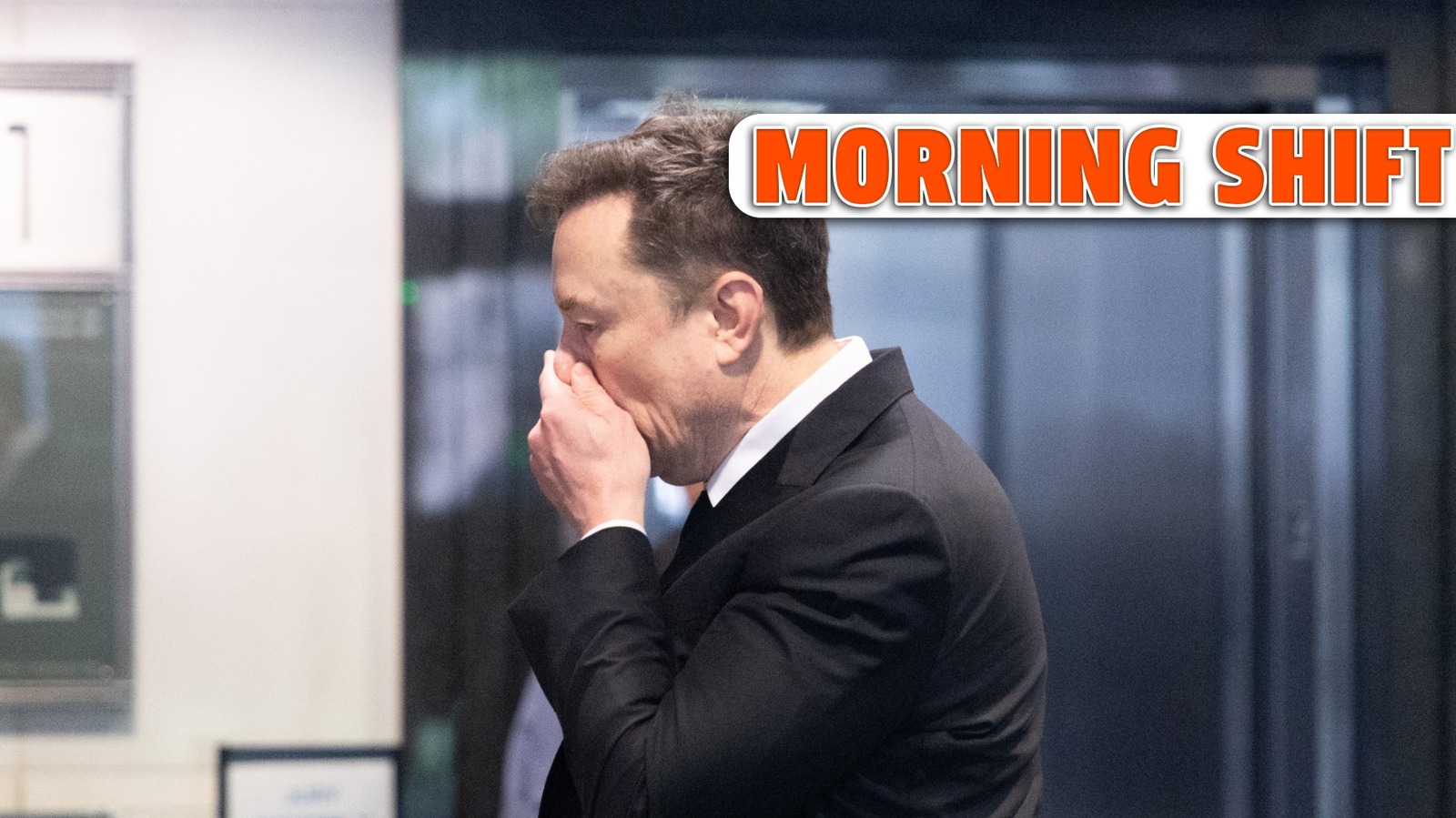
Tesla shareholders approved Elon Musk's $158 billion compensation package in 2024, but the structure makes the actual payout far more speculative than the headline suggests. The package ties almost entirely to Tesla stock performance and operational milestones, meaning Musk receives nothing unless Tesla hits aggressive growth targets and stock price thresholds. This differs fundamentally from a guaranteed salary or even typical equity grants. Tesla must reach a market capitalization of $650 billion to trigger the first tranche, with subsequent tranches unlocking only at $750 billion, $875 billion, and beyond. The company currently trades below those levels.
Meanwhile, Trump announced plans to raise tariffs on European-built vehicles to 25 percent, creating upheaval in global auto trade. This directly impacts BMW, Mercedes-Benz, Volkswagen, and other manufacturers exporting to the United States. The tariff threat accelerates pressure for European OEMs to build domestically or partner with local producers.
Volkswagen acknowledged that electric vehicle profitability will lag behind internal combustion engine vehicles through 2030. The German automaker faces margin compression as battery costs remain high and EV competition intensifies. Legacy automakers across Europe and beyond confront the same reality. They spend billions on EV transition while struggling to turn profits on those vehicles, creating a transitional period where their core ICE business subsidizes EV development. This dynamic shapes capital allocation, factory closures, and workforce decisions for years ahead.
These three developments expose the fragility of the EV transition narrative. Musk's compensation depends on Tesla execution that remains unproven at scale. Tariff uncertainty disrupts supply chains and pricing strategies. Traditional automakers face years of margin pressure while shifting entire businesses toward electrification. Shareholders, workers, and consumers all confront genuine unknowns about timing, costs, and profit