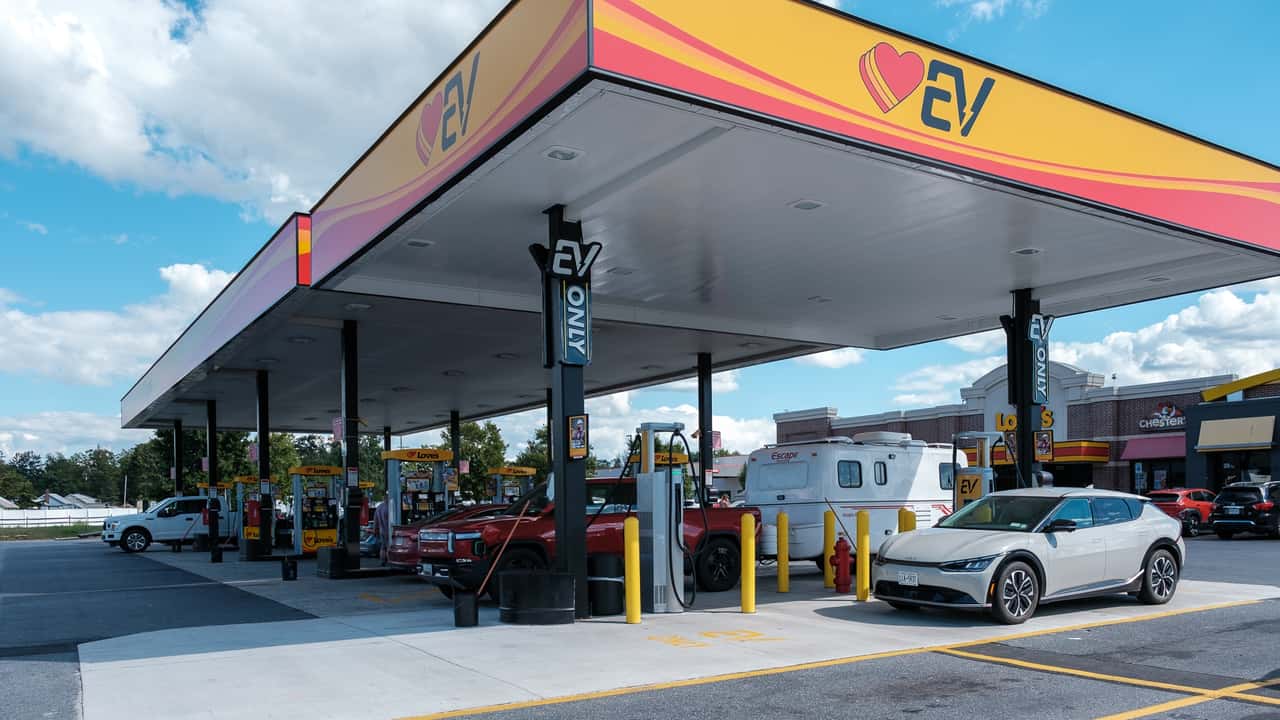
Electric vehicles reduced global fuel consumption in 2025 at a pace that surprised even optimistic analysts. The shift reflects genuine market adoption, not subsidies alone. Battery costs dropped below $100 per kilowatt-hour in major markets, making EVs price-competitive with internal combustion engines on a total-cost-of-ownership basis.
Oil demand contracted as fleet electrification accelerated across Europe, China, and North America. Traditional automakers ramped production of mainstream EVs. Tesla, BYD, and Volkswagen Group models captured the largest volume gains. Charging infrastructure expanded rapidly in urban centers and highways, removing the range-anxiety barrier that stalled adoption in prior years.
Petroleum refiners face structural headwinds. Fuel margins compressed as demand softened. Some analysts predict thermal vehicles will represent less than 40 percent of global light-vehicle sales by 2030.
The transition isn't hype. Numbers confirm it. EV powertrains deliver comparable performance and reliability to combustion engines in most segments. Manufacturing costs normalize as production scales. The engineering shift happens now, not in theoretical futures.
Legacy automakers that delayed EV investment lost market share. Those that committed early, like Volkswagen and Geely, captured demand. The market selected winners through execution, not promises.