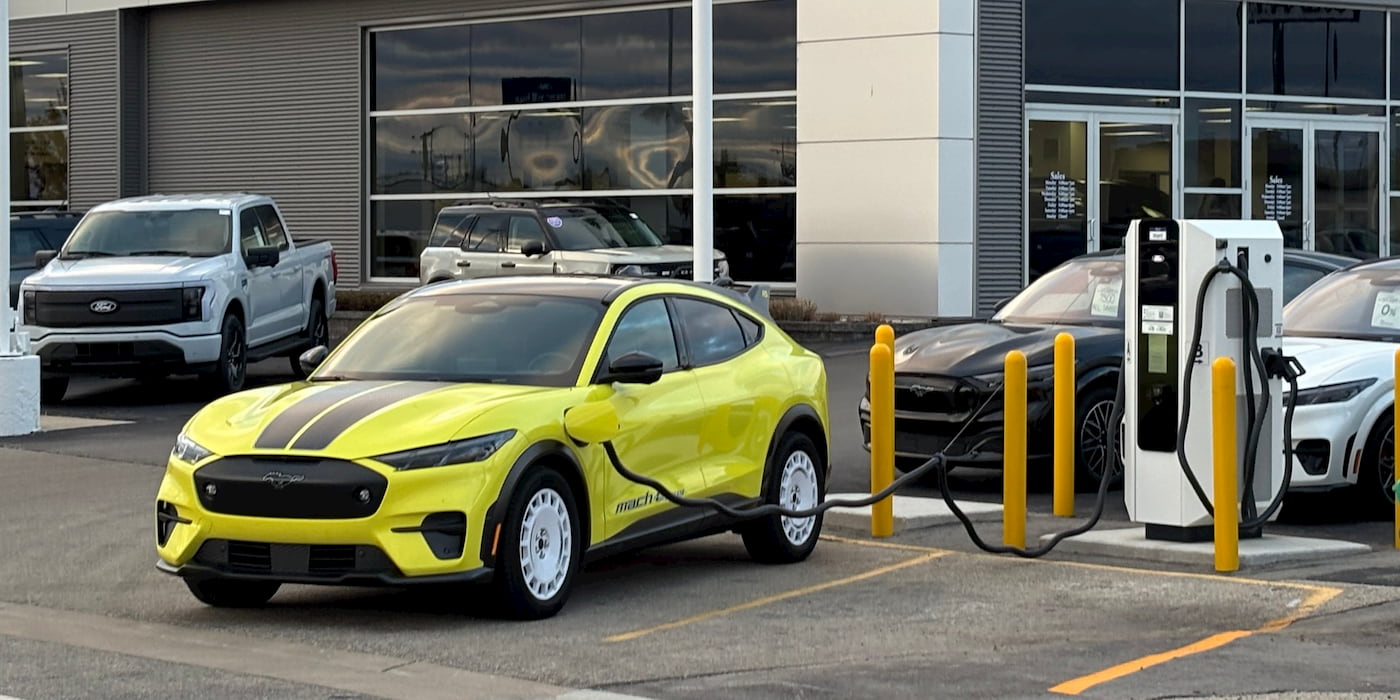
Ford's Q1 2026 earnings beat analyst expectations, driven primarily by a $1.3 billion tariff refund and recovery improvements at its Novelis aluminum plant partnership. The automaker raised its full-year guidance on the back of these favorable developments.
The tariff relief represents a one-time windfall rather than operational improvement. Ford faced significant tariff headwinds in recent years as trade tensions escalated, and this refund provides meaningful breathing room on the company's cost structure. The Novelis plant recovery is more operationally significant. The facility supplies critical aluminum components for Ford vehicles, and production delays there had hampered vehicle supply and gross margins. Improved output from Novelis directly supports Ford's EV and traditional vehicle manufacturing pipeline.
Ford's ability to beat expectations hinges on this refund and recovery timing. While positive, the tariff relief won't repeat quarterly, meaning the company must demonstrate underlying operational strength moving forward. Investors will scrutinize whether Ford can sustain margin improvements once the one-time benefit cycles through.
The guidance raise signals management confidence in demand and production stability. Ford faces intense competition from General Motors and Stellantis on traditional vehicles while battling Tesla and Chinese EV makers in the electrified segment. Cost control and supply chain reliability directly impact competitiveness in both spaces.
Ford's aluminum sourcing through Novelis matters because the industry consumes massive volumes of the lightweight material for both gas and electric vehicles. Any disruption ripples through Ford's entire production network. The plant's recovery suggests supply normalization, which benefits Ford's Q2 and beyond.
This quarter reflects Ford's exposure to macroeconomic factors beyond its control. Trade policy shifts and global supply constraints continue reshaping automaker profitability. Ford's improved outlook depends on maintaining production momentum and controlling costs as it transitions its portfolio toward higher-margin electrified models while