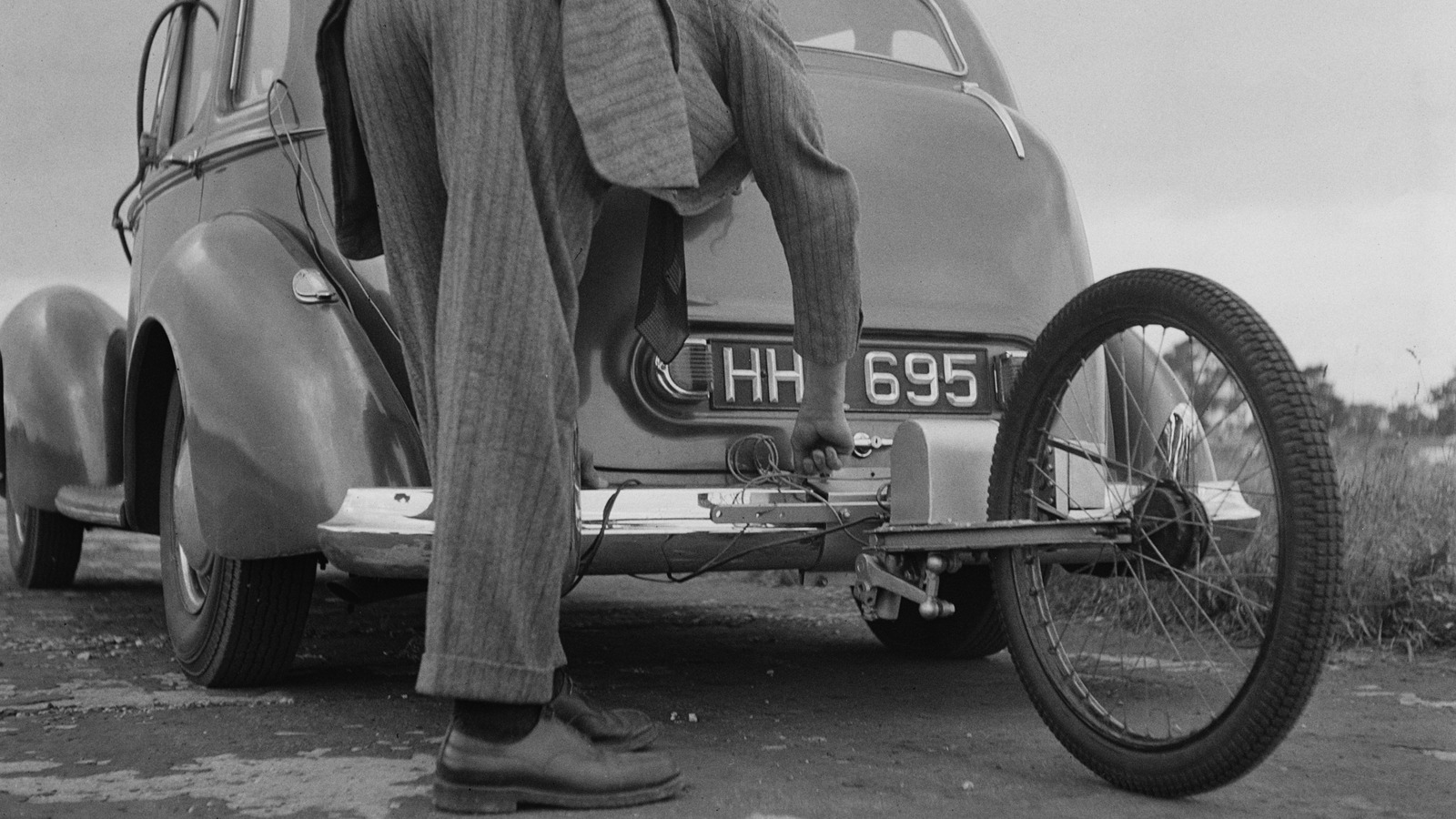
Car magazines measured 0-60 times the hard way before GPS existed. Two people with a stopwatch formed the baseline. One person drove while the other timed the run, creating inherent human error and inconsistency across tests.
Engineers then bolted external devices onto vehicles to capture acceleration data. These mechanical attachments improved precision compared to handheld stopwatches but added complexity and cost to testing procedures.
GPS technology revolutionized acceleration measurement by eliminating human timing variables entirely. Modern testers rely on satellite positioning and velocity calculations for repeatable, objective results.
Some automotive publications still employ older methods alongside GPS. This hybrid approach serves specific purposes. Traditional techniques reveal how real drivers experience acceleration, while GPS data provides laboratory-grade accuracy for spec sheets and comparisons.
The evolution reflects automotive journalism's tension between subjective driving impression and objective measurement. A stopwatch captures the visceral thrill of acceleration. GPS captures the physics. The best test combines both perspectives.