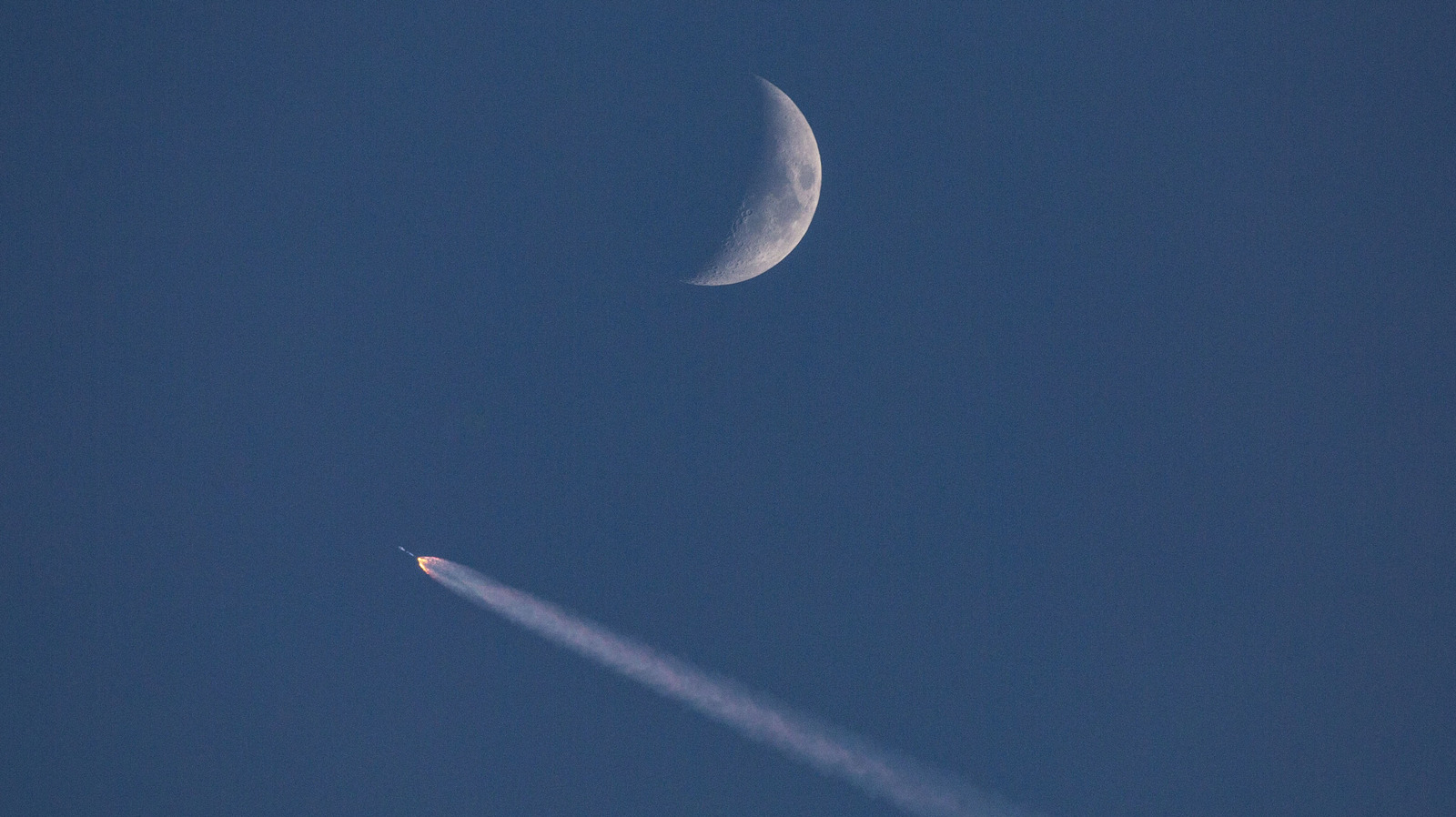
A rocket upper stage is about to impact the moon at 5,400 miles per hour, adding to the growing debris field orbiting Earth's satellite. This isn't accidental damage from a failed mission. Operators intentionally left the spent booster stage on a lunar trajectory after deploying a lander, creating what amounts to space junk on another world.
The practice reflects the current reality of lunar exploration. Launch providers prioritize getting payloads to their destinations over managing orbital waste. As more nations and private companies pursue lunar missions, the accumulation of spent stages, defunct spacecraft, and impact debris will only accelerate.
This differs sharply from Earth orbit, where debris tracking and mitigation protocols exist. The moon offers no such safeguards. Each impact crater from discarded hardware represents lost scientific data and potential collision hazards for future missions. The speeds involved render these impacts energetic enough to alter lunar surface composition.
The engineering achievement of reaching the moon shouldn't mask the operational negligence. We possess the technical capability to plan lunar trajectories that avoid unnecessary impacts. Instead, convenience trumps responsibility. Until manufacturers and space agencies establish mandatory deorbiting procedures or controlled landing protocols, the moon becomes an open dump for the space industry's waste.