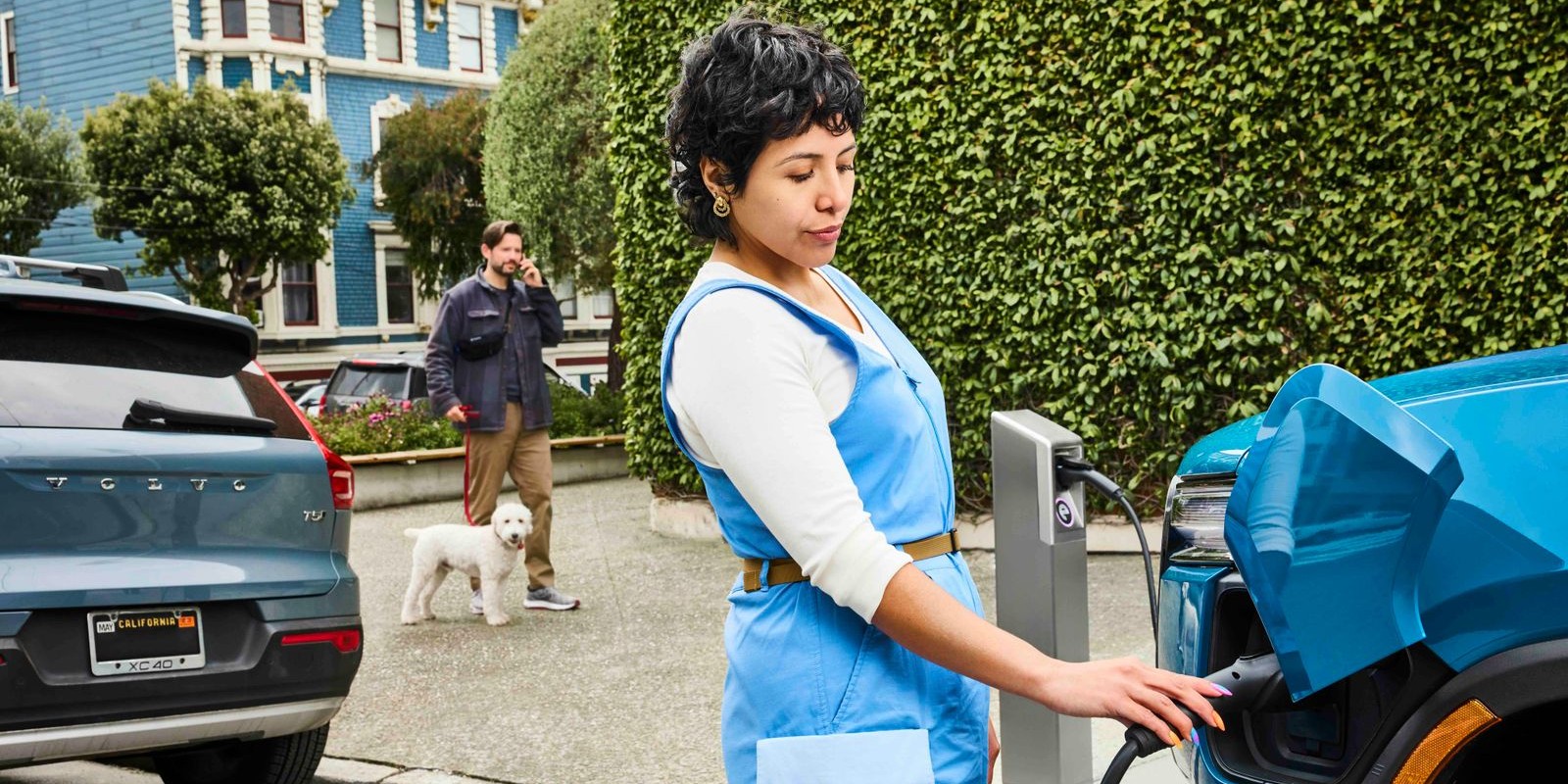
Philadelphia plans to deploy 1,000 curbside electric vehicle chargers across the city, marking a significant expansion of public charging infrastructure in the Northeast urban corridor. The initiative targets neighborhoods where residents lack dedicated parking or home charging access, a critical gap for EV adoption in dense urban areas.
Curbside chargers address a real barrier to EV ownership. Most American drivers live in single-family homes with garages. Philadelphia's dense neighborhoods feature row houses, apartments, and street parking. Without accessible charging, EV adoption stalls in these communities. A thousand chargers represent a serious commitment to democratizing EV infrastructure beyond affluent suburbs.
The rollout timeline and funding source remain central questions. Federal infrastructure dollars through the Inflation Reduction Act and Infrastructure Investment and Jobs Act fund many city charging projects. Philadelphia likely taps these pools to offset municipal costs.
Context matters here. Major cities compete for EV driver mindshare. New York City installed over 13,000 public chargers. Los Angeles launched its EV charging master plan. Denver, San Francisco, and Chicago all expanded networks. Philadelphia's 1,000-charger target positions it competitively without matching larger markets yet.
Curbside deployment presents operational challenges. Cities must manage curb space alongside parking, loading zones, and bus lanes. Charging speeds matter too. Level 2 chargers add 25-30 miles of range per hour. Fast DC chargers deliver 100-200 miles in 20-30 minutes. Most curbside installations favor Level 2 for affordability and grid impact, but that means longer dwell times.
Driver behavior shifts with infrastructure. Once charging becomes convenient, EV purchase intent increases. Philadelphia residents considering EVs like the Tesla Model 3, Chevy Bolt, Nissan Leaf, and Ford Mustang Mach-E can now