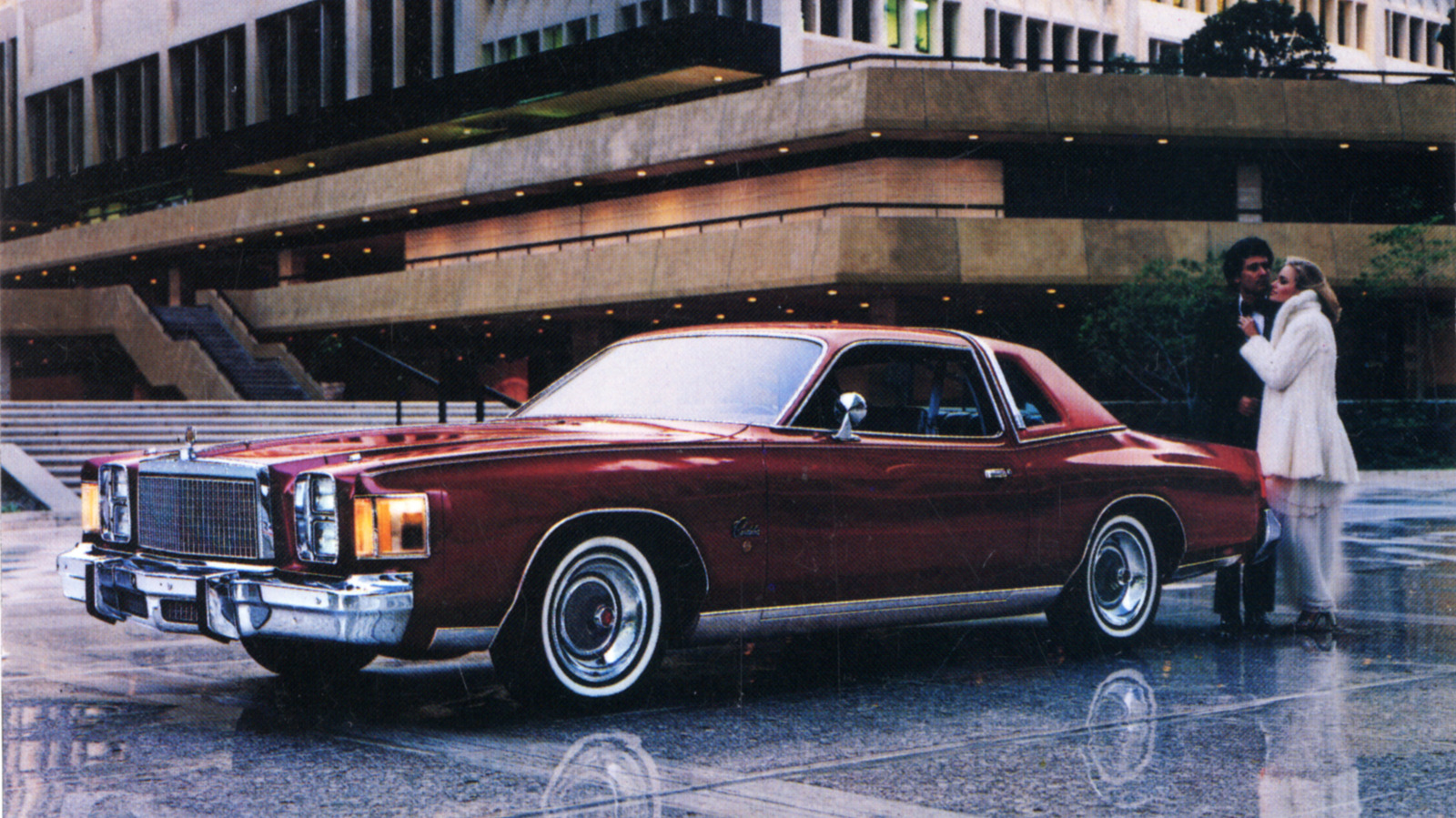
# The Corinthian Leather Campaign That Made Fake Leather Famous
Chrysler's "Corinthian leather" became one of the automotive industry's most successful marketing fabrications. The material was not actually leather from Corinth, Greece, or even particularly special. It was vinyl. Yet through a carefully orchestrated advertising campaign, Chrysler convinced American car buyers that this synthetic upholstery represented luxury and sophistication.
The campaign's genius lay in its specificity and repetition. By naming the material after a distant, exotic location, Chrysler created an aura of authenticity and exclusivity that vinyl alone could never achieve. The marketing pushed relentlessly through the 1970s and 1980s, particularly in advertisements for the Chrysler Cordoba, where actor Ricardo Montalbán's distinctive voice delivered the tagline with theatrical gravitas. That voice became inseparable from the product.
The strategy worked because it exploited a fundamental consumer impulse: the desire for perceived luxury at accessible prices. Corinthian leather cost significantly less than genuine leather but sounded far more sophisticated. Buyers felt they were getting something special, something worldly, without paying full luxury prices.
This campaign fundamentally shaped how automakers approached interior materials for decades. The success of Corinthian leather proved that branding and narrative mattered more than substance when it came to consumer perception. Other manufacturers took note and began investing heavily in marketing mundane materials as premium features.
The cultural impact extended beyond cars. Corinthian leather became a punchline, referenced in comedy sketches and pop culture. Yet the irony is that Chrysler achieved exactly what it intended: making people believe in a product through sheer force of advertising. The campaign demonstrated that automotive marketing could sell perception as effectively as it sold performance or reliability.
Today, the Corinthian leather campaign serves as