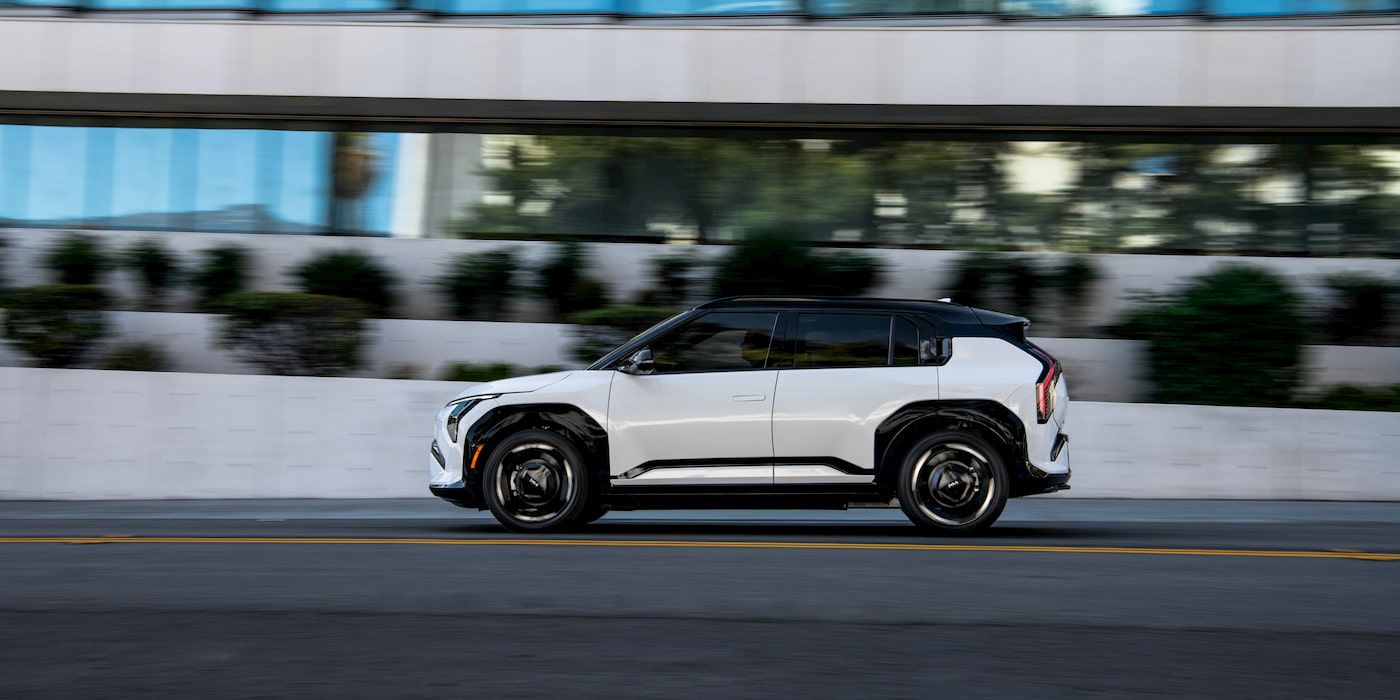
Kia is emerging as a genuine EV contender with accelerating sales and an expanding electric lineup spanning sedans to vans. The South Korean manufacturer has moved beyond niche positioning to deliver volume across multiple segments, a strategy that separates it from specialists focused on single categories.
The company's EV portfolio now includes the Niro EV, EV6, EV9, and EV5, covering crossovers, performance sedans, three-row family vehicles, and compact options. This breadth matters. Traditional automakers struggled with EV strategy by launching one or two models. Kia built a complete ecosystem.
Sales data confirms the bet is working. Kia's EV volumes are climbing faster than legacy automakers' totals, though it trails Tesla in raw numbers. The company targets roughly 1.2 million annual EV sales by 2030. That projection carries weight given its current trajectory and manufacturing capacity additions.
Competitive positioning favors Kia right now. Tesla's lineup remains narrower, though dominant in sedans. Legacy brands like BMW, Mercedes, and Volkswagen offer electric options but struggle with pricing and dealer network inefficiencies. Kia prices aggressively while maintaining quality standards on battery packs and drivetrains. The EV6, specifically, competes directly with the Ioniq 6 and Ioniq 5 from sister company Hyundai, creating internal competition that drives innovation without cannibalizing market share they wouldn't otherwise capture.
New model launches announced for the next 18 months include variants across price points. This matters because EV adoption hinges on choice and accessibility. A $45,000 electric van or sedan reaches buyers priced out of premium options.
What drivers care about: range, charging speed, reliability, and total cost of ownership. Kia addresses all four.