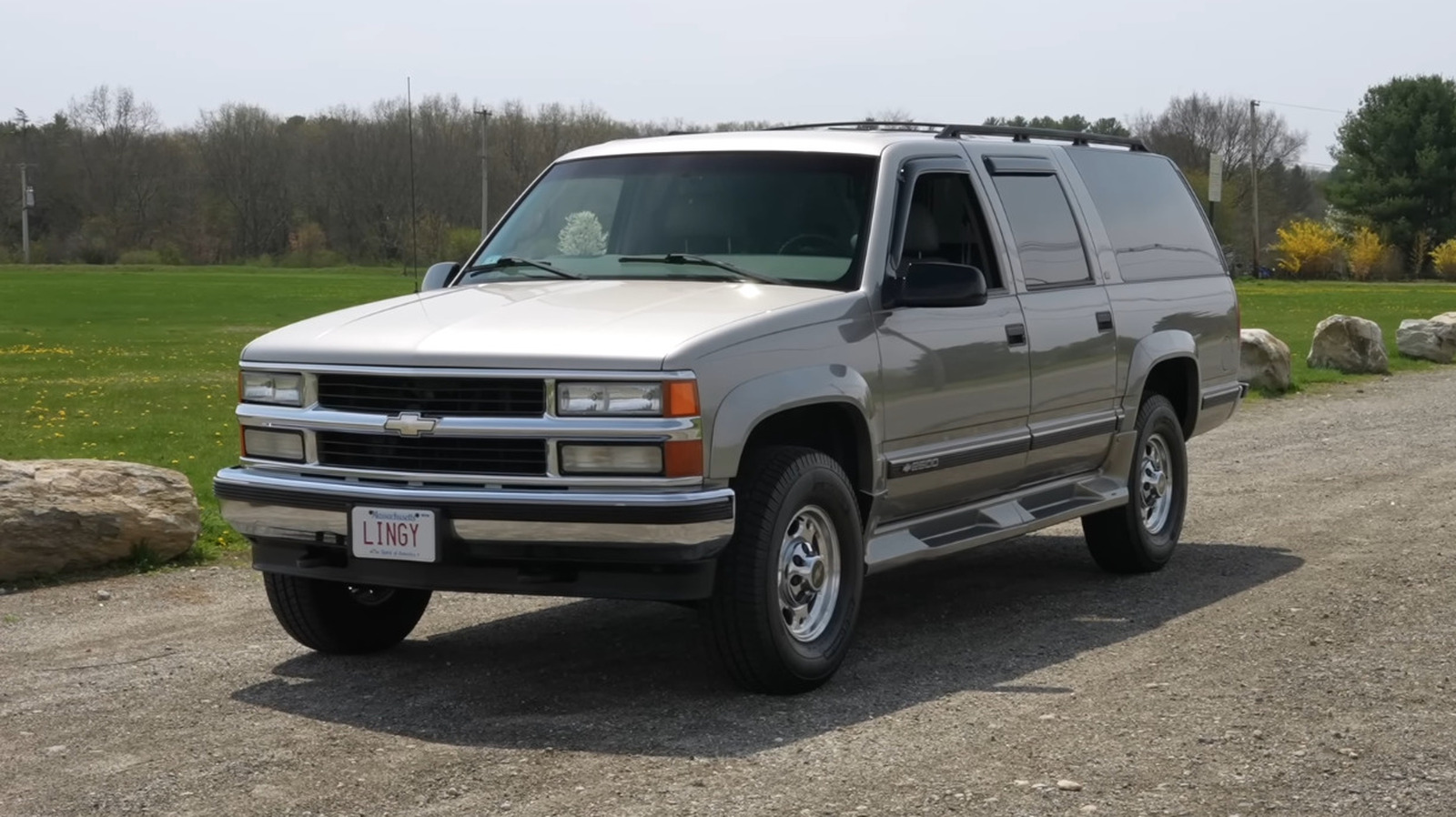
Lingenfelter Engineering once built a monster Suburban 2500 for GMC that defied the laws of physics for a 6,000-pound SUV. The tuning house dropped a 9.9-liter V8 engine into the full-size hauler, transforming it into a performance machine capable of humbling contemporary Porsche 911 Carreras off the line.
The project represented the height of early 2000s excess. While the Suburban 2500 launched as a conventional three-row family hauler, Lingenfelter's modifications targeted raw acceleration and straight-line speed. The massive displacement engine generated enough power to overcome the SUV's considerable mass and deliver genuinely quick performance from a vehicle designed for towing and passenger capacity.
This build reflects a broader tuning culture that thrived before turbocharging and direct injection dominated performance engineering. Independent shops like Lingenfelter made names for themselves by maximizing naturally aspirated displacement, building engines that relied on cubic inches rather than forced induction to achieve power targets. For GMC, commissioning such a vehicle served as both a technical showcase and a marketing statement about the brand's performance potential.
The 9.9-liter Suburban exists as an artifact of a different automotive era. Today's performance SUVs achieve comparable or superior results through smaller turbocharged engines paired with advanced transmission technology. The Corvette-powered Suburban concept has given way to models like the Cadillac Escalade IQ, which prioritizes hybrid efficiency and technology over raw displacement.
Lingenfelter's work on this Suburban demonstrates how far manufacturers once pushed individual vehicles for attention. A six-ton SUV that could embarrass a contemporary 911 sounds implausible by modern standards, yet it encapsulates the philosophy that governed performance tuning before downsizing became industry