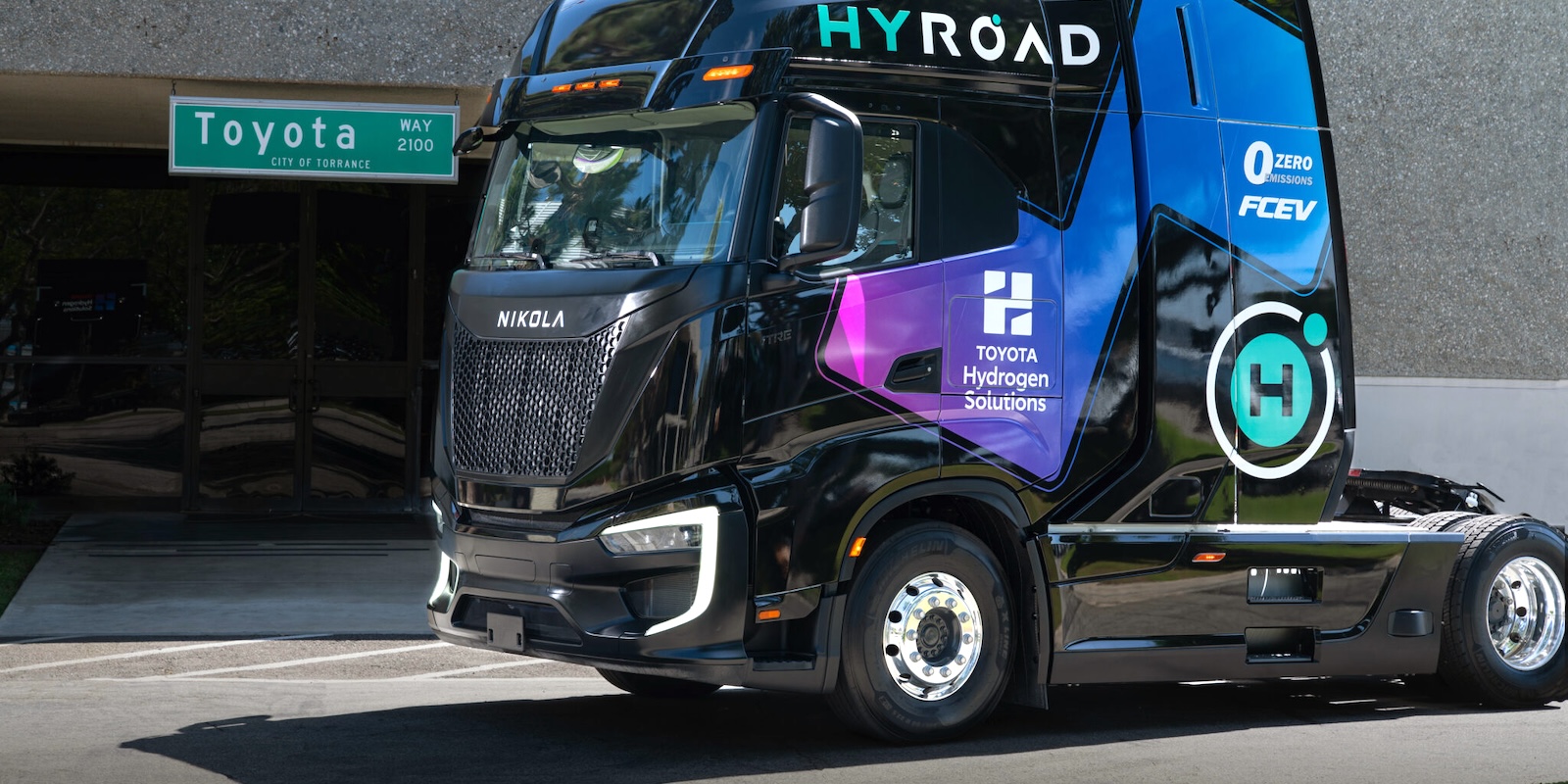
Toyota and Nikola's hydrogen fueling spinoff Hyroad are partnering to expand hydrogen-powered transportation across Southern California. The collaboration combines Toyota's fuel cell vehicle expertise with Hyroad's fueling infrastructure and logistics capabilities.
The partnership addresses a fundamental barrier to hydrogen adoption. Fuel cell vehicles remain niche products partly because charging networks don't exist. Toyota's Mirai sedan and Mirai-based commercial variants need places to refuel. Hyroad, spun out from Nikola's fueling operations, builds and operates hydrogen stations. Together they're attacking both sides of the equation simultaneously.
Toyota brings proven fuel cell technology. The Mirai has sold thousands globally and performs comparably to gas sedans. Toyota also develops commercial fuel cell powertrains for trucks and buses. Hyroad provides the infrastructure backbone, installing stations and managing logistics for hydrogen distribution across the region.
This matters strategically because hydrogen advocates face skepticism. Battery-electric vehicles dominate alternative powertrains, supported by charging networks that now number in the hundreds of thousands. Hydrogen remains fragmented, with only about 50 operational public stations across North America. The California market leads adoption, giving Toyota and Hyroad a testbed to prove scalability.
The partnership targets commercial fleets and regional transportation, not just passenger cars. Class 8 trucks running routes through Southern California burn through fuel consistently, making hydrogen's range advantages appealing. Logistics companies need predictable refueling locations. This collaboration creates both.
Toyota gains a dedicated partner to expand hydrogen's infrastructure footprint without building stations itself. Hyroad, which struggled when tethered to Nikola's troubled truck program, finds an established automaker to anchor demand. For Southern California, the partnership could accelerate hydrogen adoption beyond the current handful of enthusiasts.
The real test comes in execution. Previous hydrogen initiatives stalled when infrastructure and vehicles failed