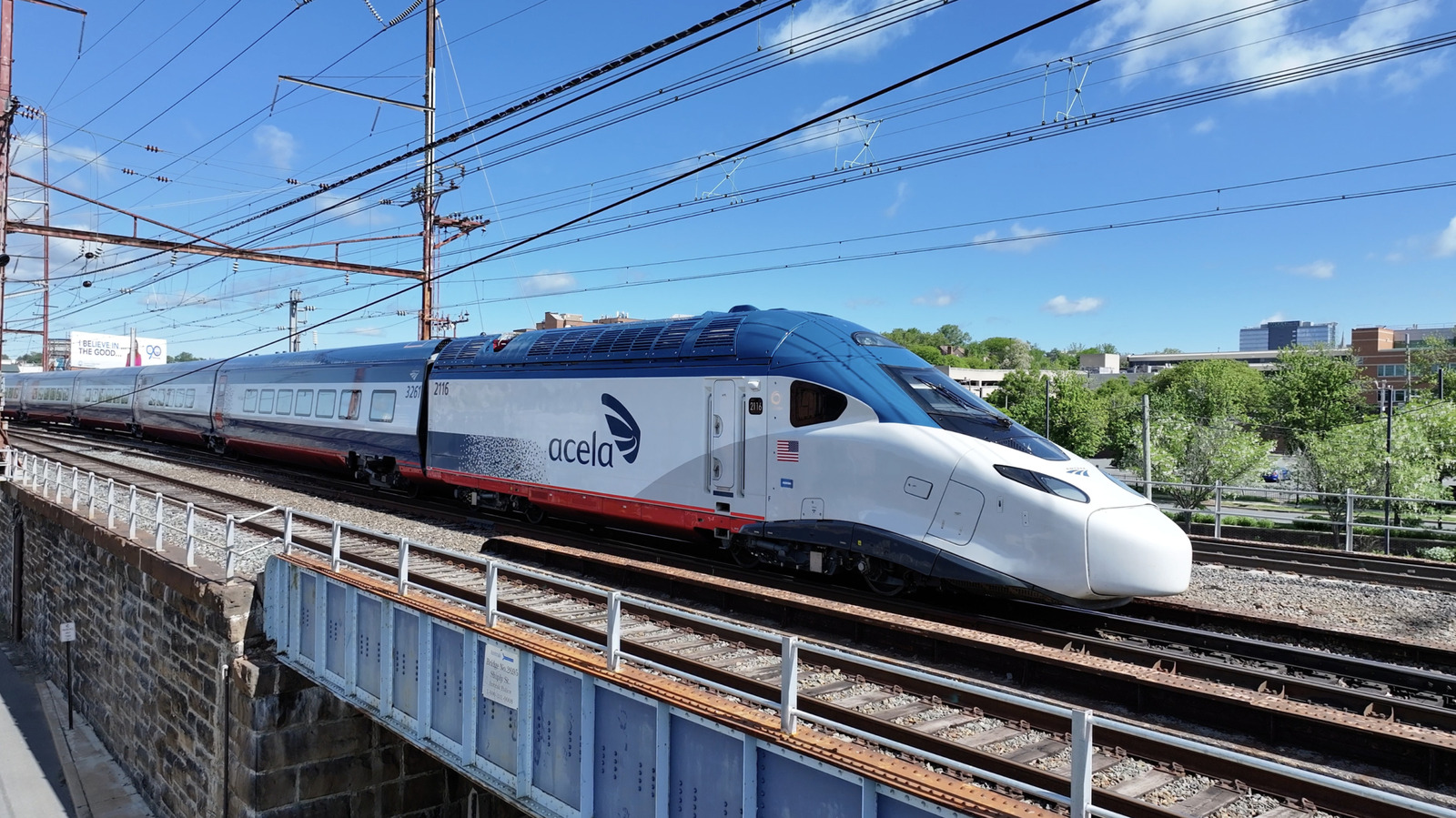
Amtrak's latest advertising campaign takes a page from the luxury automotive playbook, positioning train travel as a premium lifestyle choice rather than a practical transportation option. The approach mirrors marketing strategies used by high-end carmakers like Mercedes-Benz and BMW, which emphasize experience, comfort, and exclusivity over raw specs or price competitiveness.
This shift reflects broader consumer trends. Affluent travelers increasingly view transportation choices through a lifestyle lens. They want narratives about escape, sophistication, and environmental consciousness. Luxury brands have dominated this messaging territory for years. Now Amtrak attempts to capture that same aspirational energy around rail travel.
The campaign positions train journeys as alternatives to driving luxury vehicles or flying business class. Marketing emphasizes amenities like dining cars, sleeper cabins, and scenic routes rather than schedule reliability or cost savings. It's a deliberate pivot from traditional transit advertising, which typically emphasizes convenience and affordability.
This strategy makes commercial sense for Amtrak. The rail operator struggles with perception problems. Most Americans view trains as budget transportation for necessity, not choice. Luxury positioning targets high-income passengers who can afford premium fares and view travel as an experience investment. These riders exist and spend money. Capturing them generates revenue Amtrak desperately needs.
The approach also signals confidence in Amtrak's long-distance network quality. Routes like the Coast Starlight and Empire Builder offer genuine luxury experiences with observation cars and quality dining. Marketing these attributes directly competes with luxury travel experiences rather than accepting a budget segment position.
Whether this repositioning succeeds depends on execution. Luxury automotive ads work because those brands deliver genuine premium products backed by heritage and exclusivity. Amtrak must ensure service quality, reliability, and amenities match the marketing message. One delayed train or subpar meal undermines the entire luxury narrative.
The strategy represents an interesting