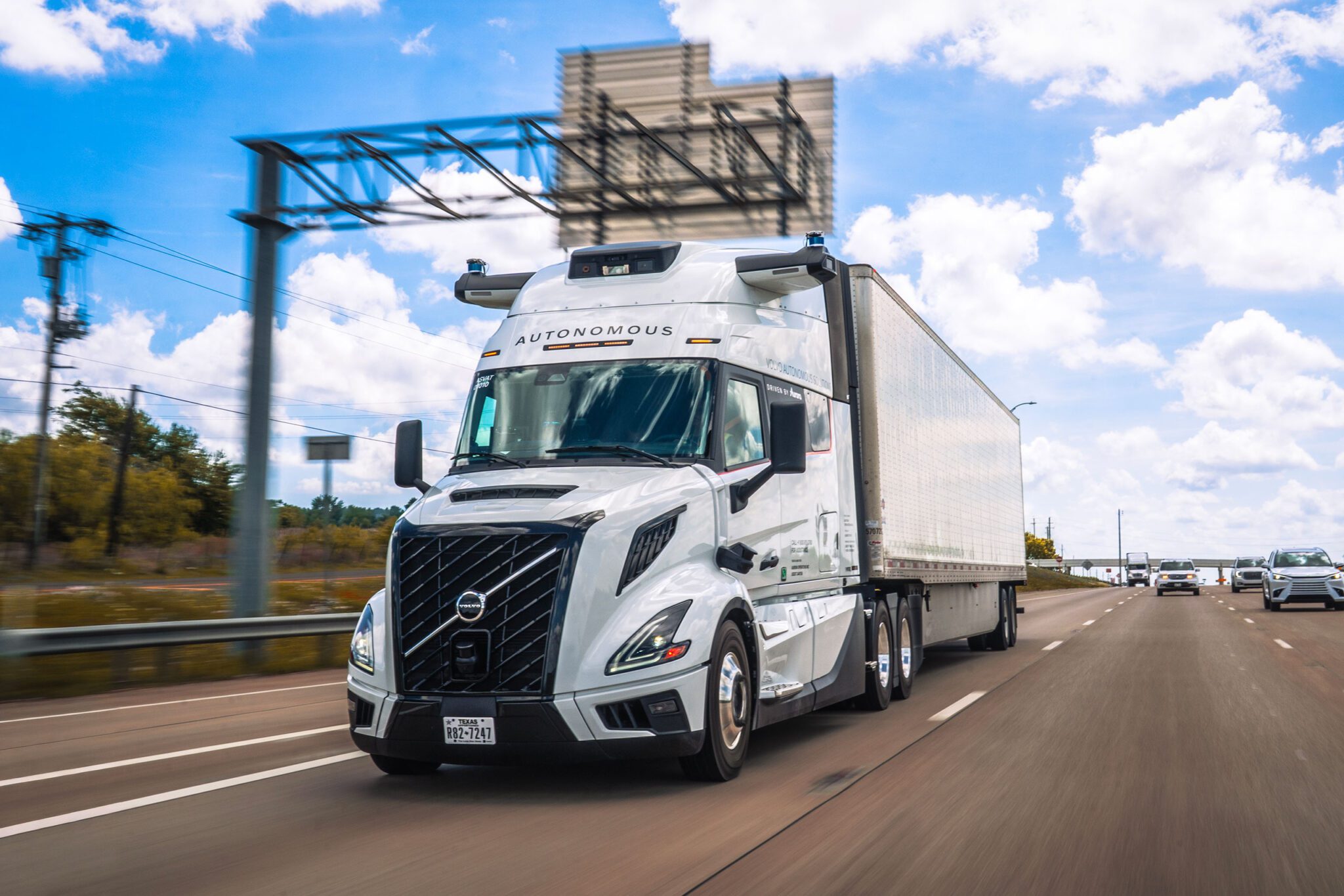
Aurora Driver technology now powers the Volvo VNL Autonomous, with production ramping at Volvo's New River, Virginia manufacturing facility. The partnership expands Aurora's self-driving truck footprint as the company scales commercialization of its autonomous platform.
Volvo integrates Aurora's full self-driving stack directly into the VNL, the company's heavy-duty Class 8 tractor. Line-side assembly at New River marks a significant step beyond prototype phase, indicating both companies expect near-term deployment across trucking fleets. Volvo positions itself as the hardware partner while Aurora handles autonomous software, sensor architecture, and compute systems.
The move addresses a persistent industry bottleneck. Legacy trucking relies on driver shortages and mounting labor costs, particularly for long-haul operations. Autonomous trucks eliminate human fatigue factors and promise 24/7 productivity. Aurora competes directly with Waymo Via and Embark Robotics in the autonomous trucking space, though Aurora has secured backing from Salesforce, Menlo Ventures, and others.
Volvo's commitment signals confidence in Aurora's technology maturity. Rather than developing proprietary autonomous systems, Volvo leverages Aurora's proven driver platform while retaining manufacturing and fleet relationships. The VNL Autonomous targets regional and long-haul routes where operational margins justify the technology premium.
Line-side builds typically precede full production launches by months. New River's involvement suggests Volvo expects meaningful volume within 2024 or early 2025. The facility handles assembly of conventional VNL models, so parallel autonomous production keeps supply chains tight and manufacturing flexible.
Industry observers note the timing aligns with autonomous trucking reaching regulatory acceptance in several states. California and Texas have cleared pathways for driverless freight operations. Aurora and Volvo likely target initial deployments on established corridors where