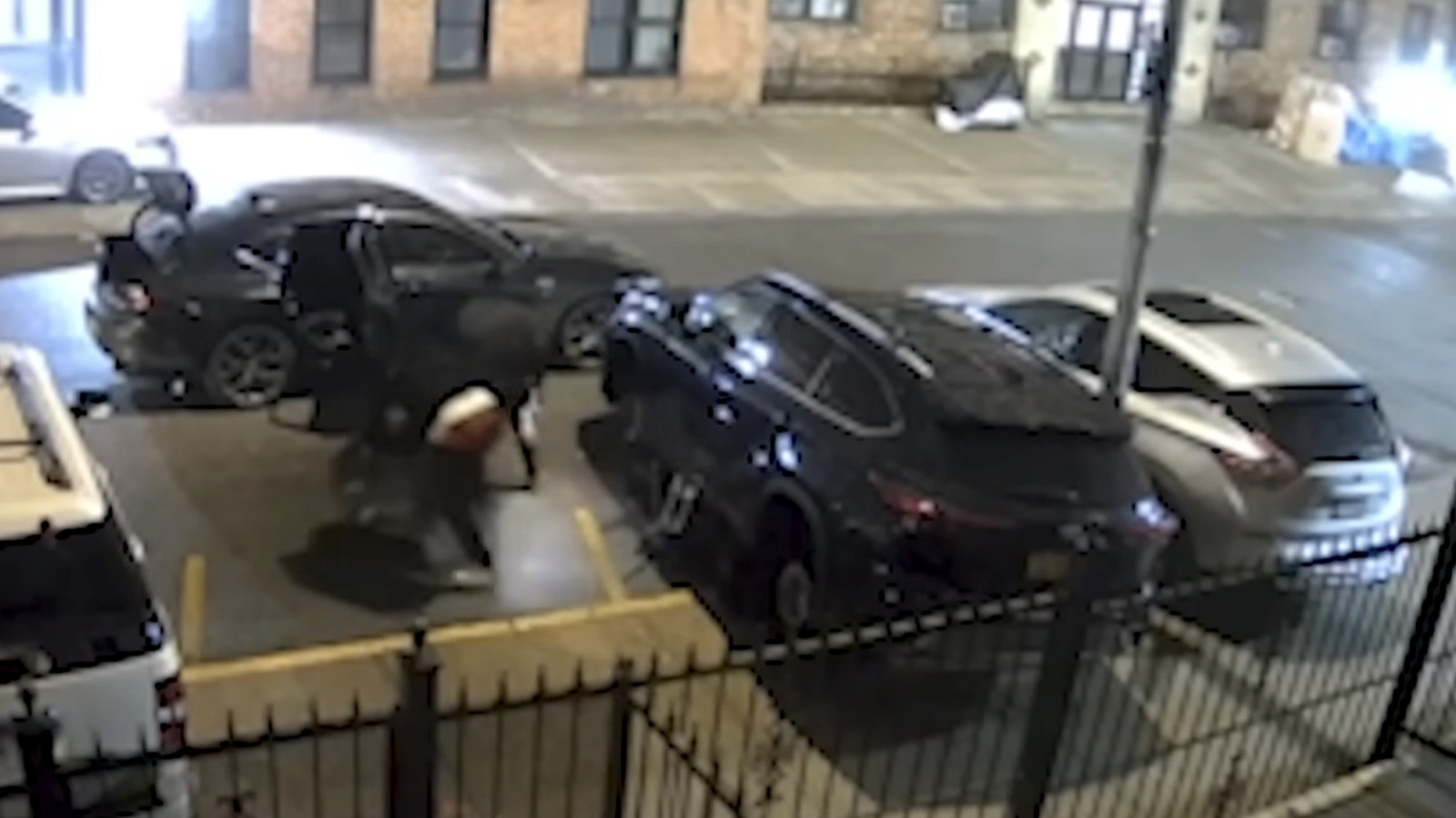
A theft ring operating across the Bronx dismantled over 100 vehicles and sold $1.2 million in stolen auto parts, with total damage reaching approximately $2 million. Police arrested multiple suspects who operated with precision comparable to a professional racing pit crew, working under cover of darkness to strip high-value components from parked cars.
The organized nature of the operation distinguished it from typical vehicle theft. Members targeted specific parts with clear market demand, removing them efficiently before moving to the next vehicle. This efficiency reflects the sophistication of parts theft rings that plague urban areas nationwide.
The stolen components likely included catalytic converters, which command premium prices on the black market due to their precious metal content. Other targets probably included airbags, infotainment systems, and engine components that buyers can resell through legitimate retailers or export to chop shops.
This case underscores a persistent problem in major metropolitan areas. Vehicle owners face rising insurance costs and repair bills as theft rings capitalize on the gap between retail parts prices and scrap value. Catalytic converter thefts alone cost Americans over $1 billion annually.
Police operations targeting organized theft rings require coordination across precincts and often depend on surveillance footage, informant tips, and undercover work. The Bronx operation's dismantling represents a meaningful disruption, though similar rings continue operating in New York and across major cities.
For drivers, this highlights the reality of urban car ownership. Parking lot security, visible anti-theft devices, and comprehensive insurance coverage remain essential safeguards. Many owners now install catalytic converter guards or opt for vehicles with integrated protection, driving demand for aftermarket security solutions.
THE BOTTOM LINE: Organized theft rings treat vehicle dismantling like a business operation, making parts theft increasingly sophisticated and costly for owners and insurers.