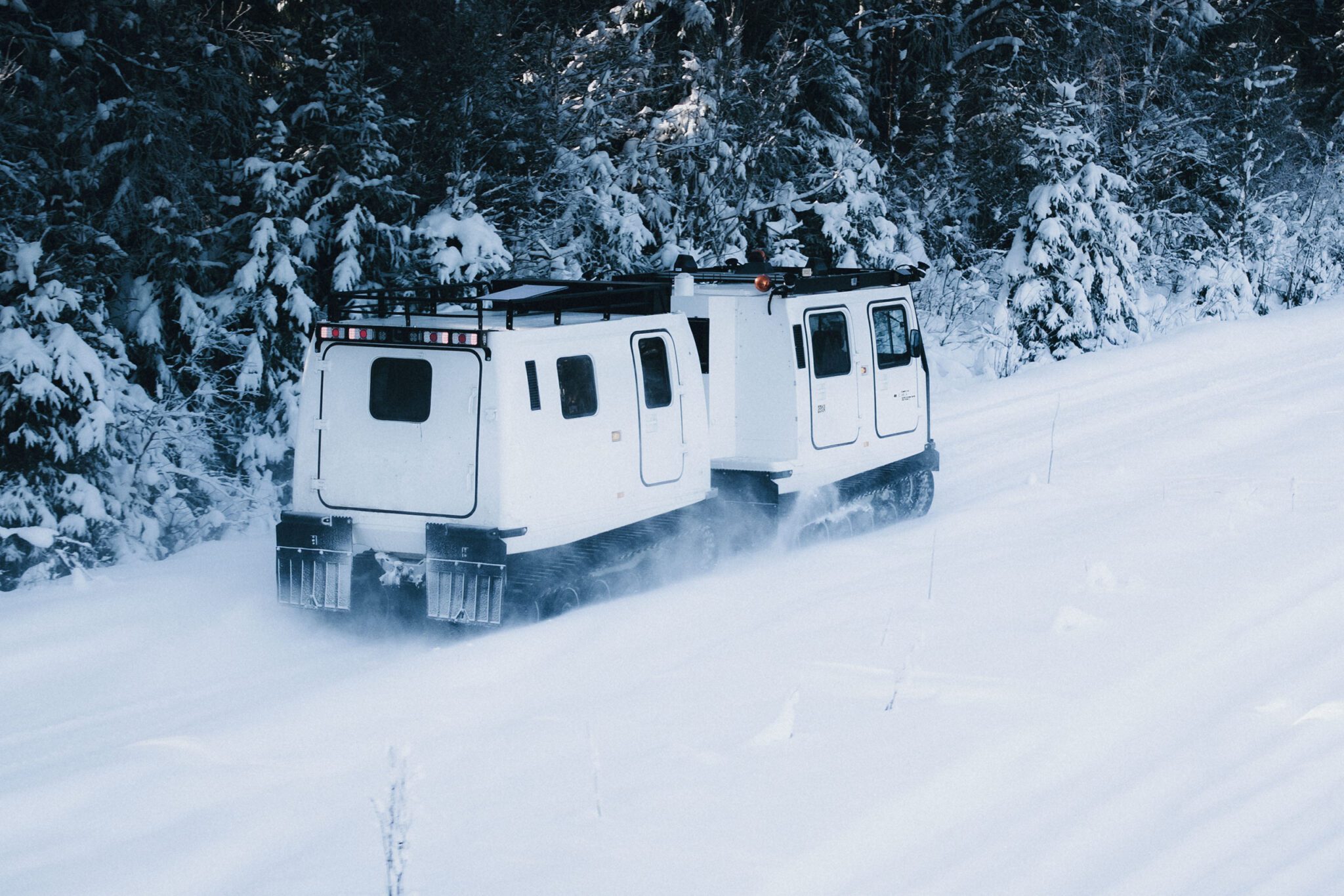
Einride is pivoting toward tracked autonomous vehicles for off-road and military applications. The Swedish automation specialist will adapt its Einride Driver autonomous system onto a tracked all-terrain platform, marking a significant departure from the company's wheelbase of light and medium-duty electric trucks.
The move addresses demand beyond traditional logistics. Tracked platforms excel in rough terrain, soft ground, and low-traction environments where wheeled vehicles struggle. By integrating its proven Driver software stack onto tracks, Einride positions itself for dual civilian and defense contracts. The tracked chassis enables operations in forestry, mining, disaster response, and military supply roles.
Einride has built credibility in autonomous last-mile delivery and warehouse automation using wheeled platforms. The Driver system handles route planning, obstacle detection, and vehicle control without human operators. Porting that software to tracks isn't trivial. Tracked vehicles demand different steering dynamics, weight distribution algorithms, and terrain assessment than wheels. But the core autonomous architecture translates.
The timing reflects market realities. Autonomous trucking remains unprofitable at scale for consumer parcel delivery. Military and resource extraction contracts offer higher margins and fewer regulatory hurdles than public roads. Sweden's defense sector, facing Russian aggression concerns, actively funds autonomous logistics programs.
This tracks alongside broader industry trends. Autonomous technology developers are diversifying revenue streams away from oversaturated trucking markets. Competitors like Ghost Robotics and Milrem Robotics already operate tracked autonomous platforms for military customers. Einride's entry adds pressure to established players while broadening the addressable market for autonomous systems beyond consumer logistics.
The adaptation also hedges Einride's business risk. Wheeled autonomous trucks face intense competition from Tesla, Waymo, and startup-heavy fleets chasing consumer contracts. Military and industrial tracked vehicles face fewer competitors and more stable government funding.
THE BOTTOM LINE: