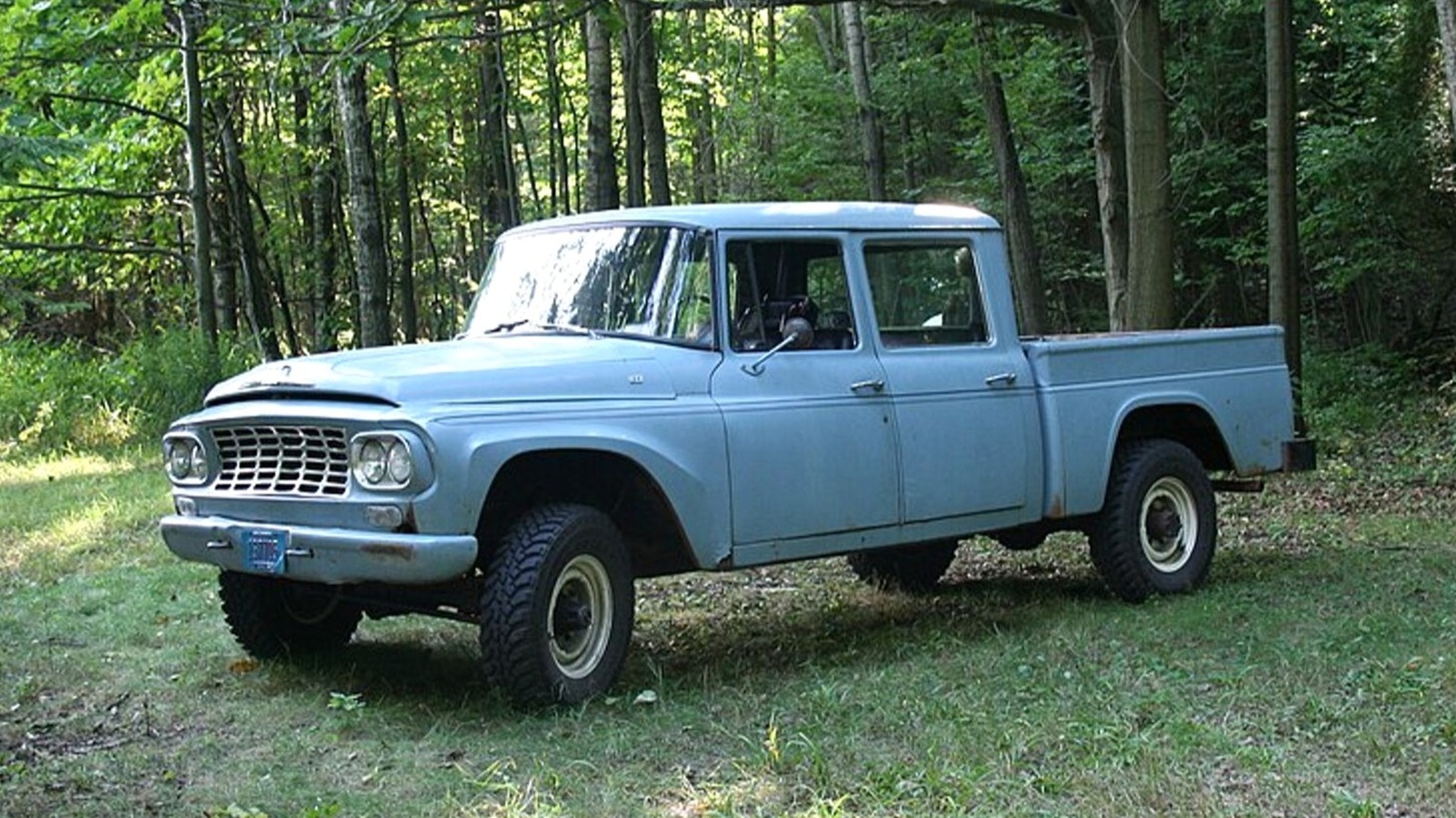
Dodge beat Ford and Chevrolet to the crew cab truck market by six years, a milestone most automotive enthusiasts have forgotten entirely. The Dodge crew cab arrived before General Motors and Ford recognized the commercial and consumer demand for a four-door truck configuration that could haul passengers and cargo simultaneously.
Crew cabs transformed truck utility by solving a fundamental problem. Traditional two-door trucks forced buyers to choose between hauling multiple workers or passengers and carrying full-size cargo beds. The crew cab eliminated that trade-off by adding rear doors and seating while reducing bed length.
Dodge's early entry into crew cabs reflects the brand's historical willingness to challenge market conventions. While Dodge lacked Ford's F-Series dominance and Chevrolet's Silverado legacy, the company understood niche demand. The crew cab configuration eventually became the industry standard as contractors, ranchers, and families demanded practical four-door trucks.
The delay from the Big Two reveals how market leadership doesn't always drive innovation. Ford and Chevrolet possessed greater resources and sales networks, yet they followed rather than led on crew cabs. By the time these manufacturers launched competing crew cab models, Dodge had already established customer awareness and loyalty in that segment.
Today's truck market proves how prescient Dodge's early positioning was. Crew cabs now dominate sales across all manufacturers. Modern trucks like the Ford F-150 SuperCrew, Chevrolet Silverado High Country, Dodge Ram, and Toyota Tundra CrewMax all prioritize the four-door configuration. Pickup buyers choose crew cabs not as a novelty but as the default option.
Dodge's forgotten first-mover advantage demonstrates that market timing matters less than execution. Despite arriving early, Dodge never leveraged its crew cab leadership into sustained truck market dominance. Ford and Chevrolet ultimately captured the