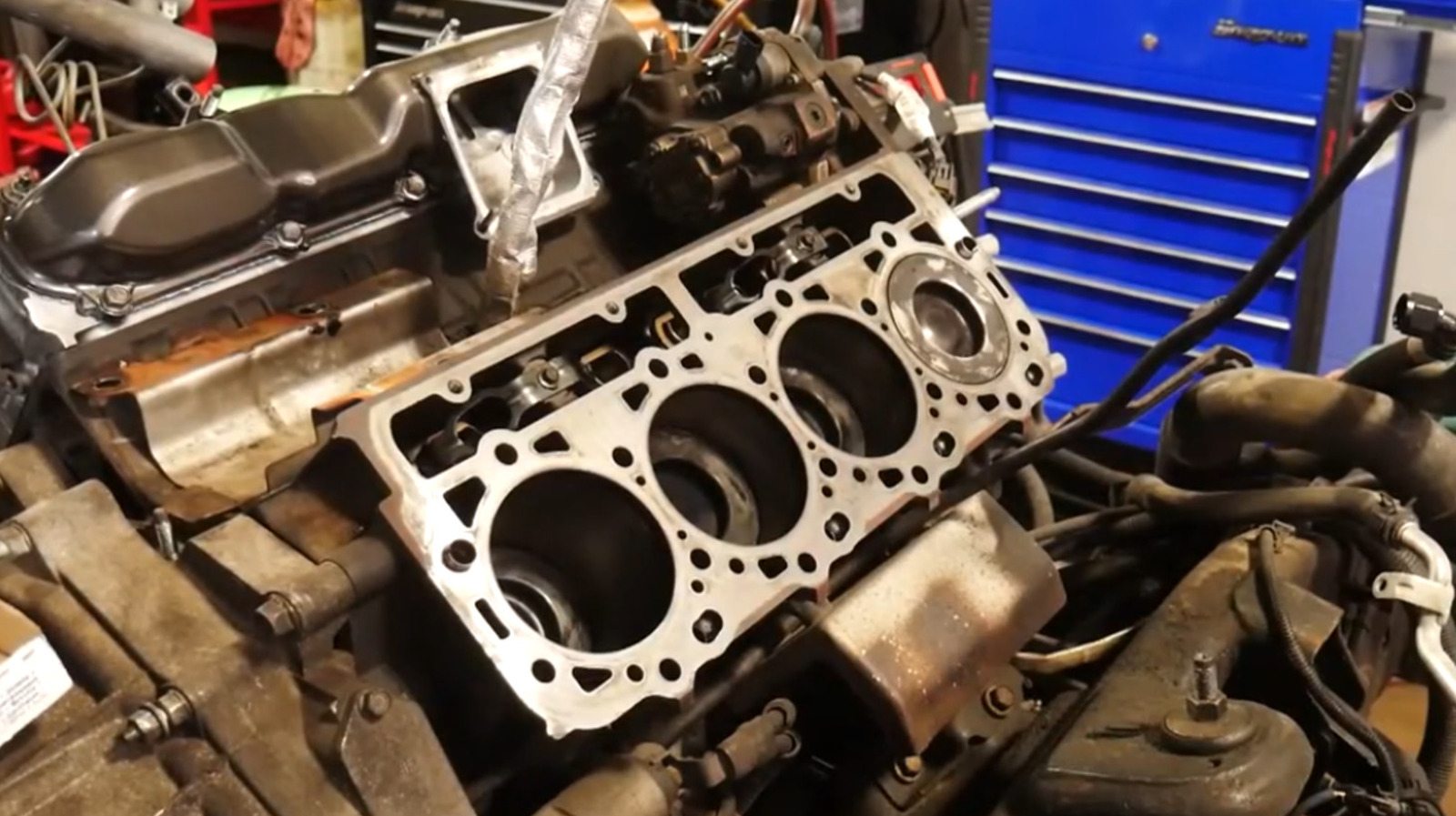
GM's 6.6-liter Duramax diesel V-8 ships with aluminum cylinder heads from the factory, but swapping to cast-iron isn't simply about trading weight for durability. The choice involves complex tradeoffs that affect performance, longevity, and real-world reliability.
Aluminum heads offer weight savings and improved cooling characteristics, which helps with thermal management in high-output applications. Factory Duramax engines benefit from aluminum's heat dissipation properties, enabling engineers to tune for more power without overheating issues. The material also responds well to boost pressure in turbocharged setups, making it the logical choice for OEM tuning.
Cast-iron heads, however, deliver superior strength in extreme conditions. They withstand detonation better than aluminum and handle aggressive fueling or methanol injection without cracking. For owners running substantial power increases or competing in drag racing, cast-iron becomes the safer bet. The material's durability under abuse outweighs the weight penalty.
The real complication emerges in modified diesel trucks operating in the gray zone between stock and extreme. A truck tuned to 500 horsepower might run fine on aluminum or cast-iron, but the margin for error shrinks considerably. Owners must consider intended use, fuel quality, ambient temperatures, and towing loads.
GM engineered the aluminum design to last the truck's service life under normal conditions. Aftermarket tuning companies have proven both materials can survive heavy modifications with proper supporting modifications like upgraded fuel systems and intercoolers. Yet cast-iron offers insurance against unexpected detonation or cooling system failures that could catastrophically damage aluminum.
The choice ultimately reflects how owners plan to use their trucks. Stock or mild tune owners gain nothing switching to cast-iron aside from added weight. High-output builders running extreme fuel protocols or competition-level power should seriously consider cast-iron