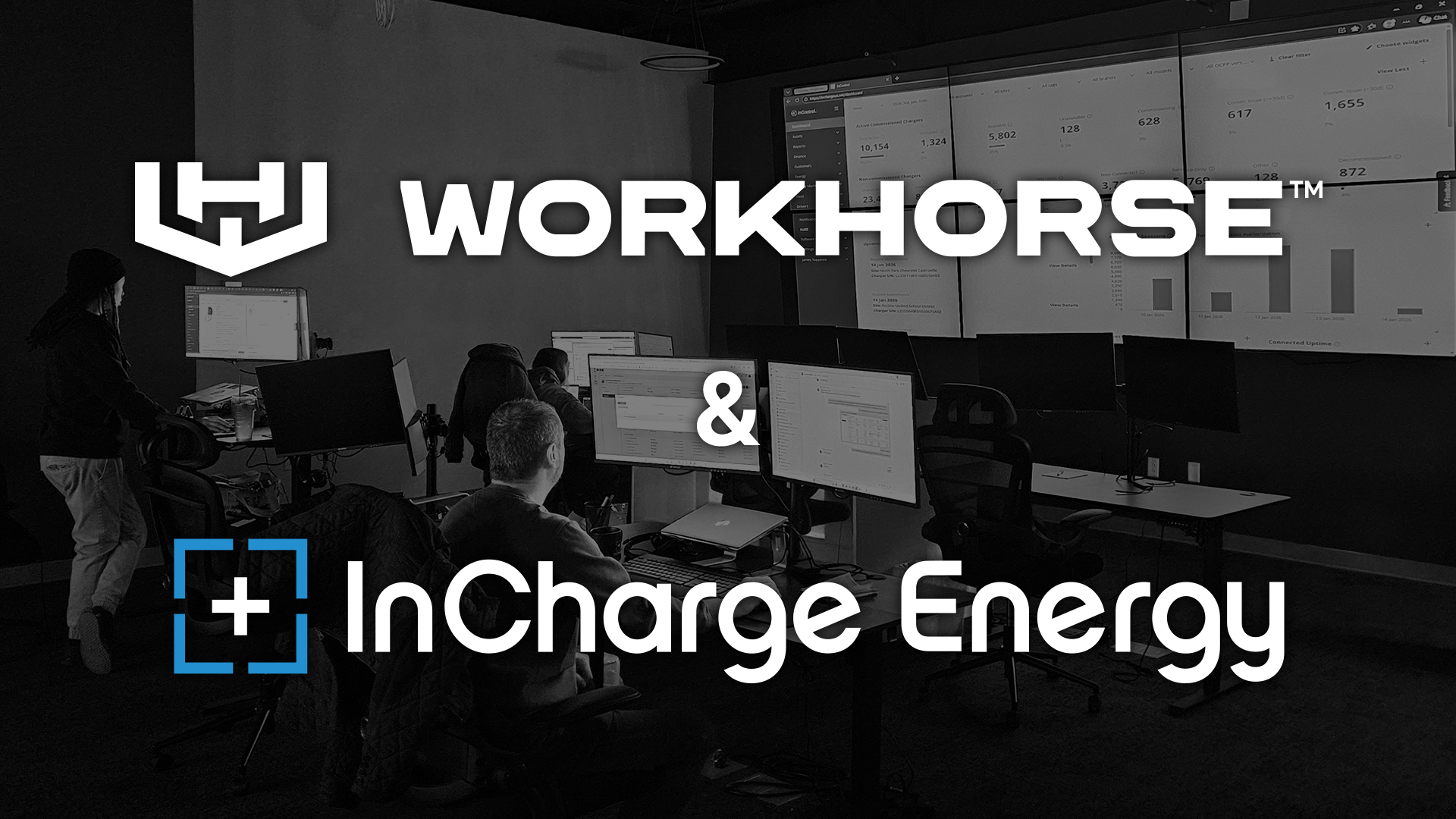
Workhorse Group has partnered with InCharge Energy to manage fleet support operations for its electric vehicles. InCharge will supply field technicians, operate a dedicated Support Operations Center, and provide software infrastructure under the Workhorse brand.
This move addresses a critical pain point for EV fleet operators. Managing electric vehicle infrastructure across multiple locations requires specialized expertise that many traditional fleet managers lack. Workhorse, which manufactures the W56 all-electric step van for last-mile delivery, needed a partner equipped to handle the unique demands of EV charging, maintenance, and downtime reduction.
InCharge's role covers the full spectrum of operational support. Field technicians handle on-site installation, maintenance, and troubleshooting. The Support Operations Center provides remote monitoring and coordination. The software platform tracks vehicle health, charging status, and service schedules in real time. For fleet operators, this integrated approach eliminates the headache of juggling multiple vendors for charging infrastructure and vehicle support.
The partnership reflects broader industry trends. EV adoption accelerates fastest among fleet operators who can amortize high purchase prices over high mileage. Workhorse competes directly with Ford's E-Transit and Mercedes-Benz's eVito in the commercial EV van segment. However, vehicle purchase represents only part of the total cost equation. Fleet operators care equally about uptime, charging accessibility, and predictable maintenance costs.
By outsourcing fleet support to a specialized provider, Workhorse improves its competitive position. InCharge handles the operational complexity that deters some fleet operators from switching to electric. This removes a barrier to adoption.
InCharge Energy operates across multiple EV manufacturers and fleet types, giving it economies of scale that Workhorse alone cannot match. The partnership also frees Workhorse to focus on vehicle development and sales rather than building a massive support infrastructure