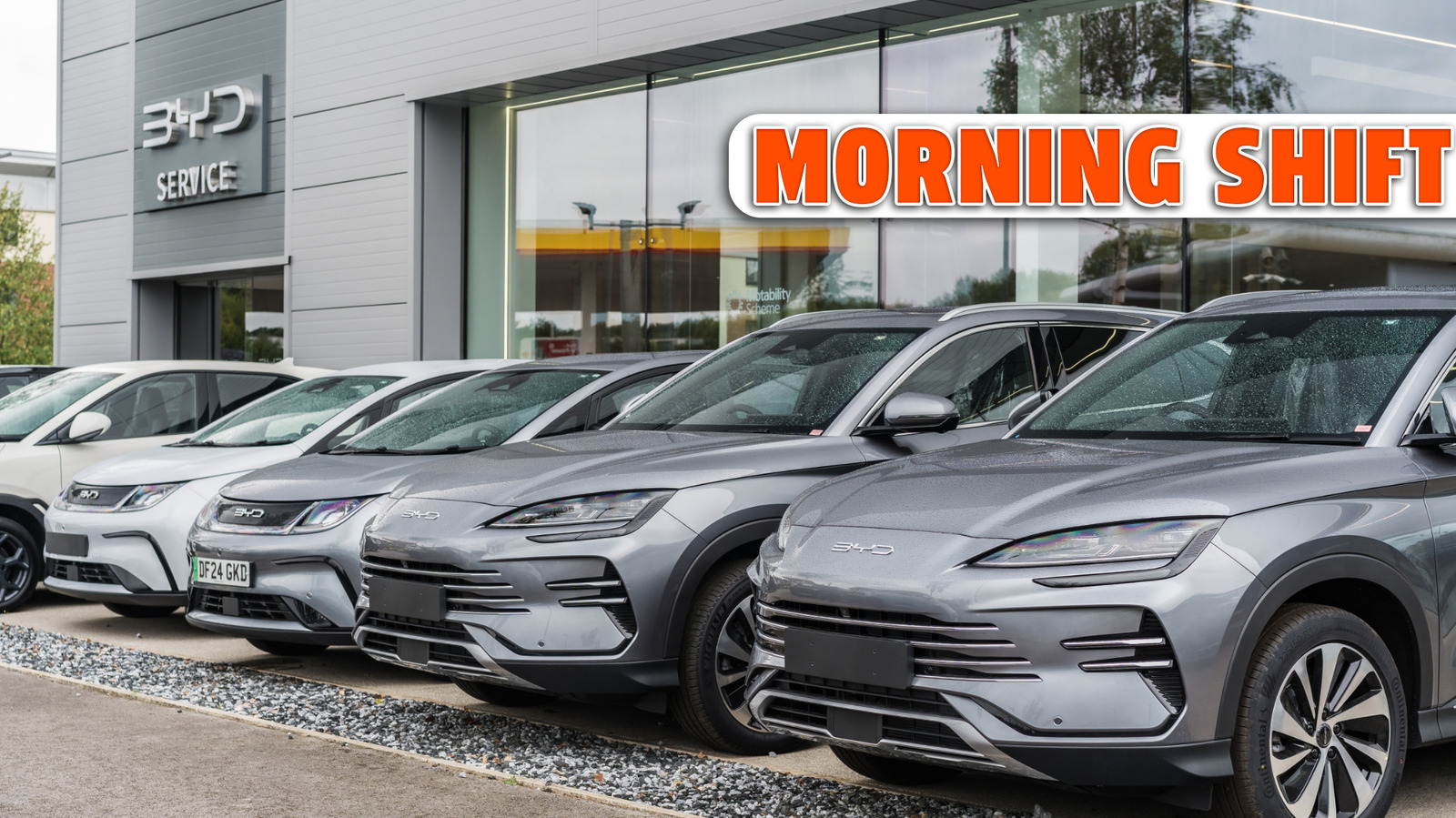
Canada's government is considering caps on low-tariff Chinese vehicle imports as trade tensions escalate across North America. The move reflects growing pressure to protect domestic automakers from cheaper Chinese competition flooding the market through existing trade agreements.
China, meanwhile, continues shifting away from diesel engines. The country's EV market dominance and tightening emissions standards have accelerated the decline of diesel passenger vehicles. Western automakers still selling diesel in China face shrinking demand as battery-electric and plug-in hybrid options dominate consumer preferences.
In the U.S., economic headwinds are clearly impacting vehicle sales. Consumer spending patterns have softened as interest rates remain elevated, reducing purchasing power for new cars. Automakers report slower order books and rising inventory across multiple segments, particularly in the truck and SUV categories that generate the highest profit margins.
Tariff negotiations between the U.S. and Europe continue without resolution. Both sides debate duty rates on imported vehicles and components, with European manufacturers concerned about proposed American tariffs that could hit premium brands like BMW and Mercedes-Benz. Retaliatory measures from Brussels remain on the table if talks stall.
These three developments signal a reshaping of global automotive trade. Canada's import restrictions would mirror U.S. and EU efforts to shield domestic production from Chinese EV makers like BYD and Li Auto. China's diesel exit reflects accelerating electrification worldwide, while U.S. sales weakness suggests consumer caution ahead of potential rate cuts or renewed economic stimulus.
Automakers face a triple squeeze: rising tariff walls limiting market access, shifting consumer demand toward EVs, and weakening purchasing power in key markets. The next 12 months will determine whether tariff walls stabilize global trade or trigger a full trade war that fragments the industry further.
THE BOTTOM LINE: Trade protectionism, EV acceleration, and soft U.S. demand