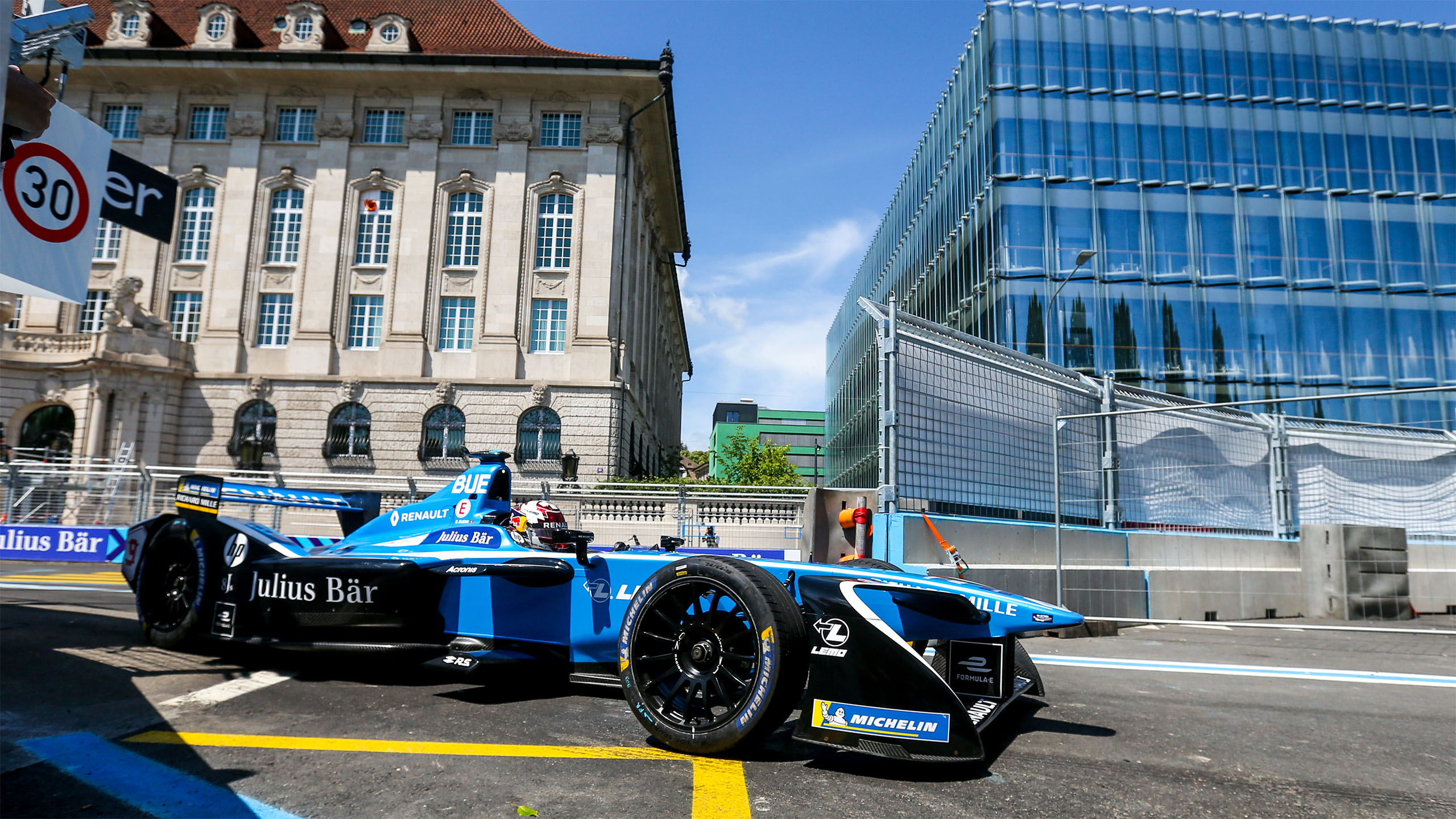
Switzerland has ended a 71-year racing prohibition that stemmed from the catastrophic 1955 Le Mans 24 Hours disaster. The ban, implemented in the immediate aftermath of that crash which killed 83 spectators and driver Pierre Levegh, represented one of motorsport's longest-standing prohibitions on circuit racing.
The Le Mans fire fundamentally changed European attitudes toward racing safety. The Austin-Healey 100S's fuel tank rupture triggered a massive blaze in the grandstands, making it the deadliest accident in racing history. Switzerland's swift legislative response reflected the era's shock and public outcry, effectively shutting down all circuit motorsport within the country.
The timing of this reversal signals shifting attitudes toward motorsport safety and infrastructure. Modern racing facilities feature advanced barriers, medical response protocols, and spectator protection measures that didn't exist in 1955. Regulatory bodies now require comprehensive safety systems before sanctioning events.
For Swiss motorsport enthusiasts and the racing community, this opens possibilities previously foreclosed for nearly seven decades. The country could now host professional circuit events, from Formula racing to endurance competitions, provided organizers meet contemporary safety standards. Other nations have similarly moved past historical bans as technology improved.
The lifting doesn't immediately guarantee new racing events. Prospective organizers still face regulatory hurdles, facility requirements, and infrastructure investments. But it removes the legal barrier that made any circuit racing impossible within Swiss borders.
This marks a symbolic moment for motorsport history. The 1955 Le Mans disaster permanently shaped racing safety culture, driving innovations in fuel systems, barrier design, and medical response. Yet it also created this unusual prohibition that outlasted most living witnesses to the original tragedy. Switzerland's decision reflects confidence that modern racing can coexist with public safety.
THE BOTTOM LINE: Switzerland's 71-year racing ban ends, acknowled