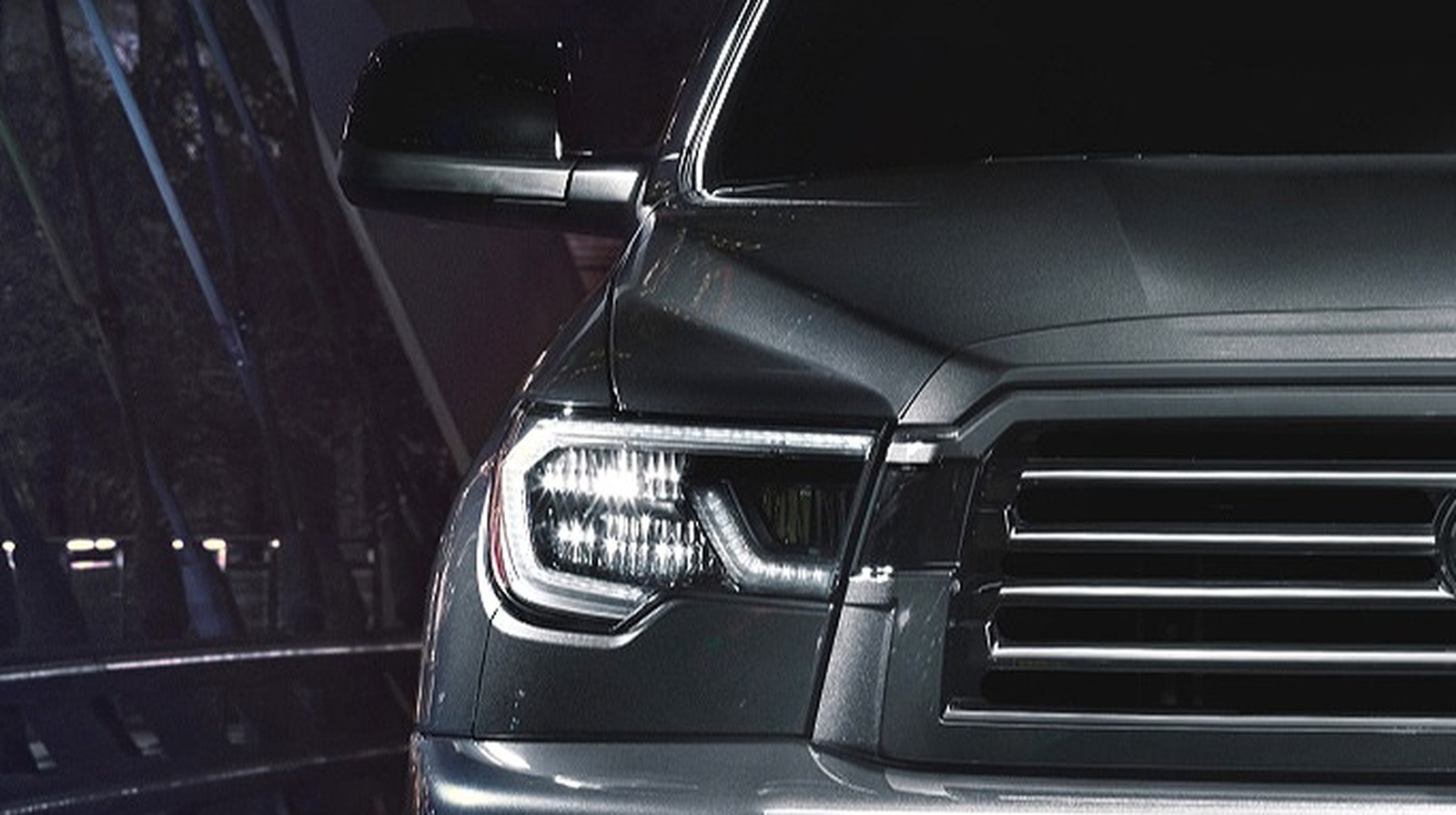
The Toyota 4Runner holds the crown for longest-lasting SUV globally, backed by hard data showing nearly 40 percent of examples surpass 250,000 miles. Third-party studies consistently rank the body-on-frame SUV at the top of longevity charts, a distinction earned through decades of robust engineering and minimal design overhauls.
The 4Runner's durability stems from its truck-based platform and proven powertrains. The V6 engine paired with a five-speed automatic has logged countless miles across owners' fleets. Toyota's conservative approach to updates means owners keep older models running longer than competitors' vehicles that face accelerated obsolescence through rapid redesigns.
This reputation translates directly to used market strength. Four-runners command premium prices compared to competitors like the Jeep Grand Cherokee or Chevrolet Tahoe because buyers recognize the likelihood of 300,000-plus miles with proper maintenance. Insurance data and rental fleet records confirm this trend. Hertz and Enterprise logged fewer mechanical failures on aging 4Runners than other SUVs in similar service cycles.
The longevity advantage matters as new vehicle costs climb above $50,000 for mainstream SUVs. Owners choosing used 4Runners get transportation security that newer competitors cannot match at equivalent prices. A 15-year-old 4Runner with 200,000 miles often proves more reliable than a seven-year-old competing SUV with similar mileage.
Toyota's decision to evolve the 4Runner incrementally rather than revolutionize it every few years creates parts compatibility across generations. Engine components, transmission assemblies, and suspension parts interchange across model years, simplifying repairs and extending service intervals. This modular approach contrasts sharply with competitors pursuing annual styling updates and platform shuffles.
The next-generation 4Runner arriving soon addresses longevity concerns head