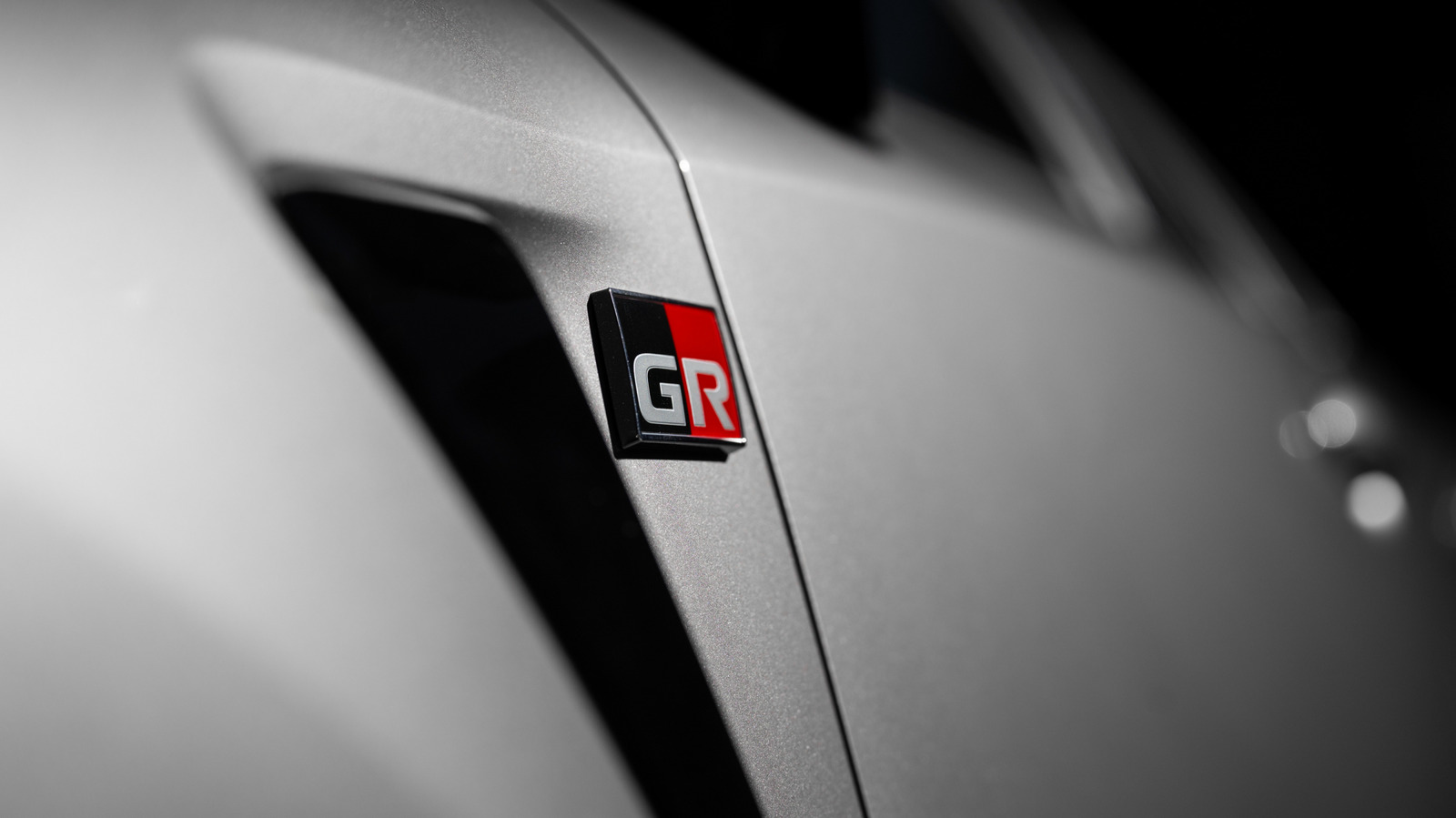
Toyota operates two distinct performance divisions that confuse many buyers, each with separate heritage and purpose.
Toyota Racing Development, or TRD, originated in 1979 as an independent tuning shop before Toyota acquired it. TRD focuses on enhancing existing production vehicles. The division produces suspension upgrades, exhaust systems, wheels, and body kits for mainstream Toyota models like the 4Runner, Tacoma, and Tundra. TRD parts bolt onto standard vehicles, letting owners customize their trucks and SUVs without factory involvement. Think of TRD as the performance aftermarket arm.
Gazoo Racing, or GR, represents Toyota's newer global racing brand launched in 2015. GR builds entirely new performance variants engineered from the ground up. The GR Corolla and GR86 are factory-built performance cars designed by Gazoo Racing engineers, not aftermarket upgrades. GR competes in international motorsports including the World Rally Championship and Le Mans. The division carries racing DNA directly into road cars. GR Supras and GR Corollas arrive as complete packages with tuned engines, reinforced chassis, and race-derived suspension.
The split reflects Toyota's strategy. TRD targets truck owners wanting tougher looks and modest power gains. GR targets performance enthusiasts wanting rally-bred cars and genuine track capability. A GR86 shares nothing with a standard 86 except the platform. A TRD 4Runner shares 95 percent with the standard model.
Pricing reflects this difference. TRD parts cost hundreds to thousands of dollars. GR models command thousands more than their standard counterparts because they represent entirely different vehicles. TRD appeals to Tacoma and Tundra buyers. GR appeals to sports car buyers.
This dual approach lets Toyota serve both segments. Truck