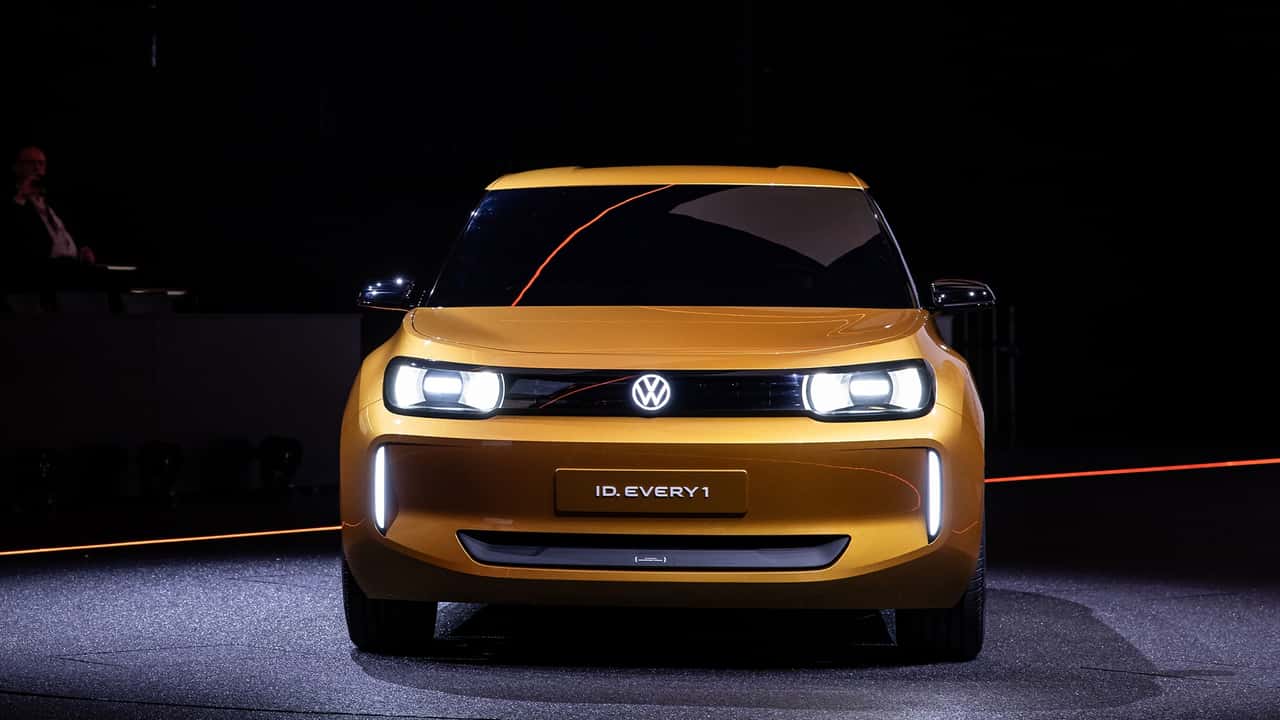
Volkswagen's Chief Financial Officer confirmed that the automaker's current electric vehicles generate profit margins 70 to 80 percent as fat as its traditional gasoline-powered cars. That gap narrows dramatically once Volkswagen rolls out its next-generation SSP platform architecture in the latter half of this decade.
The admission illustrates the industry's persistent EV profitability challenge. While battery costs have fallen and manufacturing scales up, EV production still carries higher overhead than established internal-combustion powertrains. Volkswagen builds its current EVs on platforms originally designed for gas engines, a costly workaround that inflates per-unit expenses.
The SSP platform arrives as the company's answer. Volkswagen engineered it from the ground up for battery-electric powertrains, eliminating redundant systems and streamlining component counts. The architecture will underpin multiple models across different segments, spreading development costs across higher volumes. When SSP launches, VW expects EV margins to approach or match gasoline equivalents.
This timeline matters. Competitors like Tesla and BYD already achieve EV profitability through manufacturing efficiency and scale. Traditional automakers like Volkswagen still transition factories, retrain workforces, and optimize supply chains. The lag compounds pressure from raw material costs and battery sourcing volatility.
For customers, the gap carries real meaning. Thinner margins on today's VW EVs translate to pricing strategies designed to build market share rather than maximize profit per vehicle. The company prices aggressively to compete with Tesla while managing a costly transition period.
Volkswagen faces a race against time. Its current EV lineup includes the ID.4 and ID.5 crossovers, ID.3 compact sedan, and ID.Buzz commercial vehicle. Each underperforms the company's gasoline business on profitability metrics. The SSP rollout