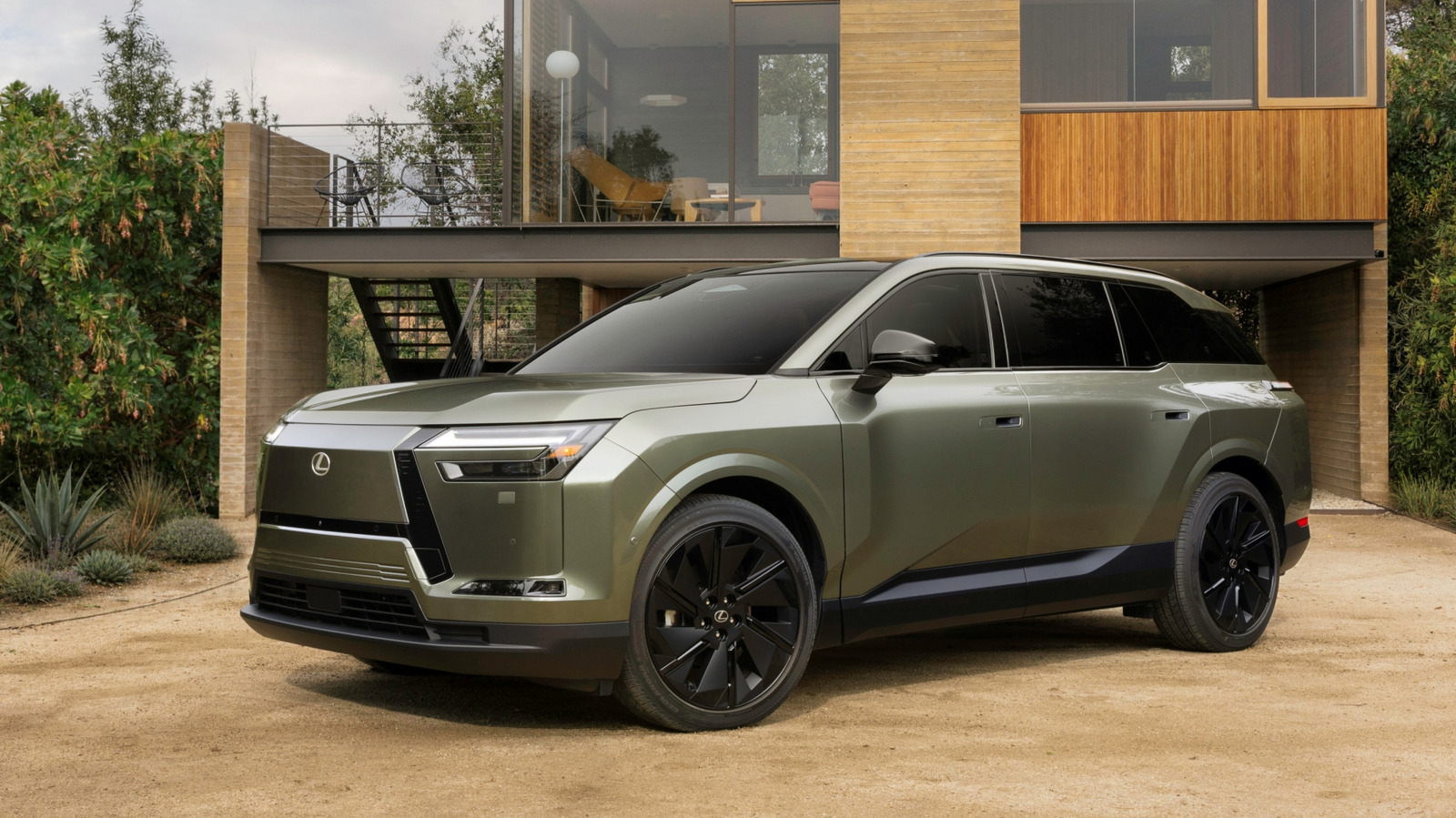
Lexus launches the 2027 TZ, a three-row electric SUV that ditches silent EV monotony for something unusual. The vehicle generates artificial engine sounds based on the legendary LFA supercar's V10 engine note, piping them through the cabin to entertain all seven occupants.
The TZ competes directly with Toyota's Highlander EV and Subaru's upcoming Getaway electric SUV. Lexus positioned the TZ with a more distinctive design language than those rivals, emphasizing its premium market position within the family EV segment.
This approach reflects a broader shift in luxury electrification. While some manufacturers pursue absolute silence as a selling point, Lexus recognizes that buyers actually want personality in their EVs. The LFA connection matters here. That hypercar's naturally aspirated 5.0-liter V10 produced 553 horsepower and became famous for its 9,000 RPM wail. Synthesizing that iconic soundtrack for a family hauler creates emotional differentiation in a crowded segment.
Three-row electric SUVs represent the next battleground for EV adoption. Families with multiple children need space and range. Toyota and Subaru recognize this market reality. Toyota's Highlander EV seats up to eight. The Getaway targets outdoor enthusiasts with rugged credentials. Lexus targets luxury-conscious families who want their EV to feel special, not appliance-like.
The TZ's artificial sound strategy acknowledges a real consumer complaint. Early EV adopters and quiet-cabin purists embrace silence. Mainstream buyers, however, often miss engine feedback and auditory cues that create driving engagement. Lexus solved this selectively, offering sound that entertains without becoming irritating during daily commutes.
Pricing and range details remain pending, but expect the T