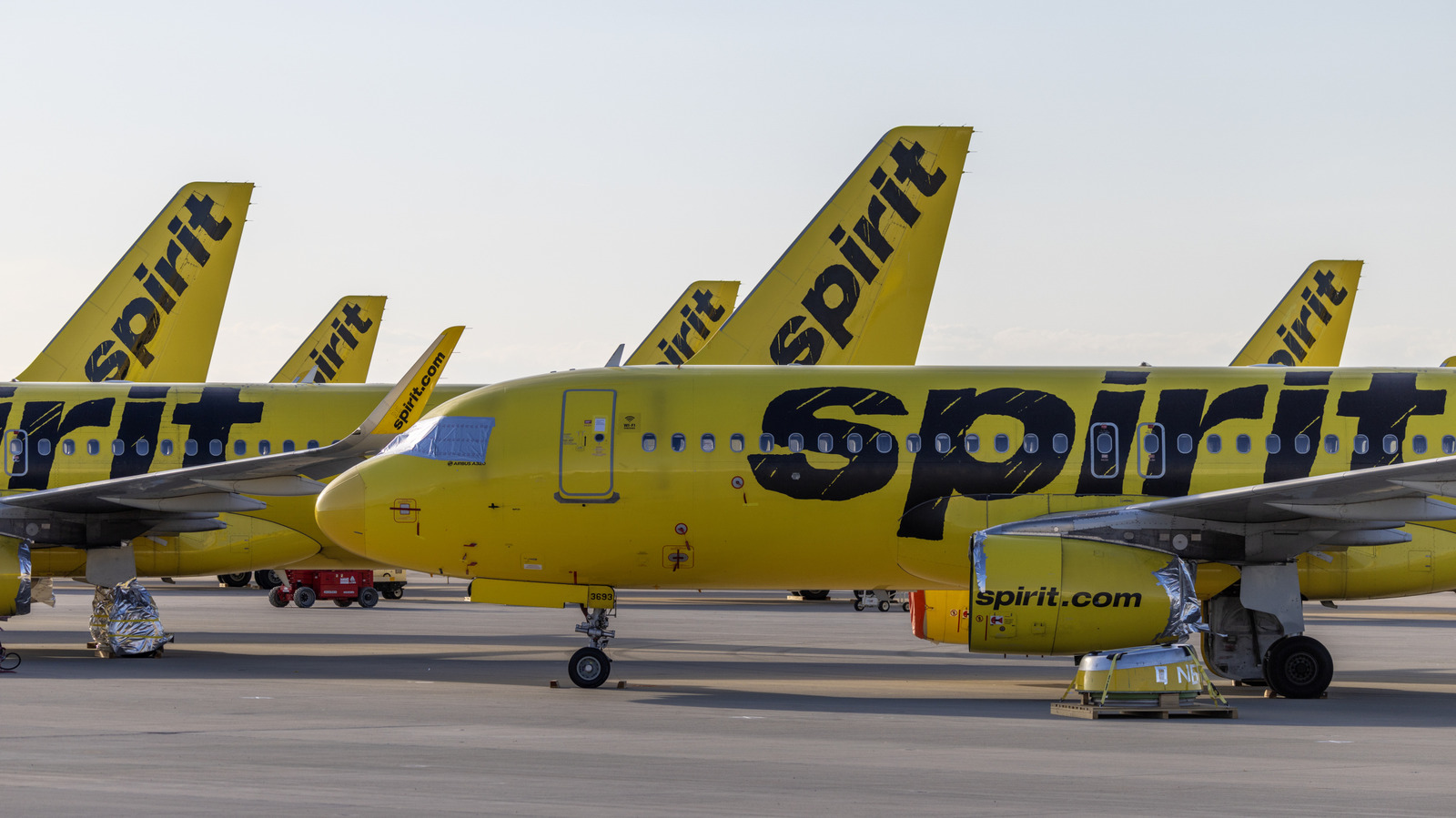
Spirit Airlines' bankruptcy leaves one U.S. airport without any commercial carrier service, exposing a critical gap in the nation's aviation infrastructure. The collapse removes the last airline operating from this regional hub, stranding communities that depended on Spirit's ultra-low-cost model for air access.
Spirit's failure reflects the broader fragility of budget carriers in competitive markets. The airline operated on razor-thin margins, relying on ancillary fees for everything from seat selection to carry-on bags to generate profit. Rising fuel costs, labor expenses, and debt service squeezed an already unsustainable business model. Unlike legacy carriers with diversified route networks and premium cabins, Spirit lacked financial cushion when conditions tightened.
The airport's isolation matters for regional economics. Leisure travelers and business commuters now face longer ground journeys to alternative hubs or pay more for flights on remaining carriers. Smaller communities struggle to attract investment and tourism without direct air service. Remote workers lose a competitive advantage when connectivity vanishes.
However, the broader market remains hungry for low-cost options. Frontier Airlines, Southwest, and Allegiant continue operating budget-focused services across America. Established carriers like United and American have launched basic economy fares to compete directly in the budget segment. The demand Spirit served won't disappear with the airline.
What changes is access and choice. Without Spirit's aggressive capacity and pricing, that airport operator faces pressure to attract another carrier or accept reduced service. Airports historically struggle recovering from airline departures. Terminal infrastructure, gate leases, and operational costs remain fixed even with zero flights.
The collapse underscores why aviation experts debate whether ultra-low-cost models prove sustainable long-term. Spirit's aggressive network expansion and debt-fueled growth couldn't overcome fundamental economics. Travelers seeking budget fares will adapt by driving farther to larger airports or accepting higher fares on surviving carriers