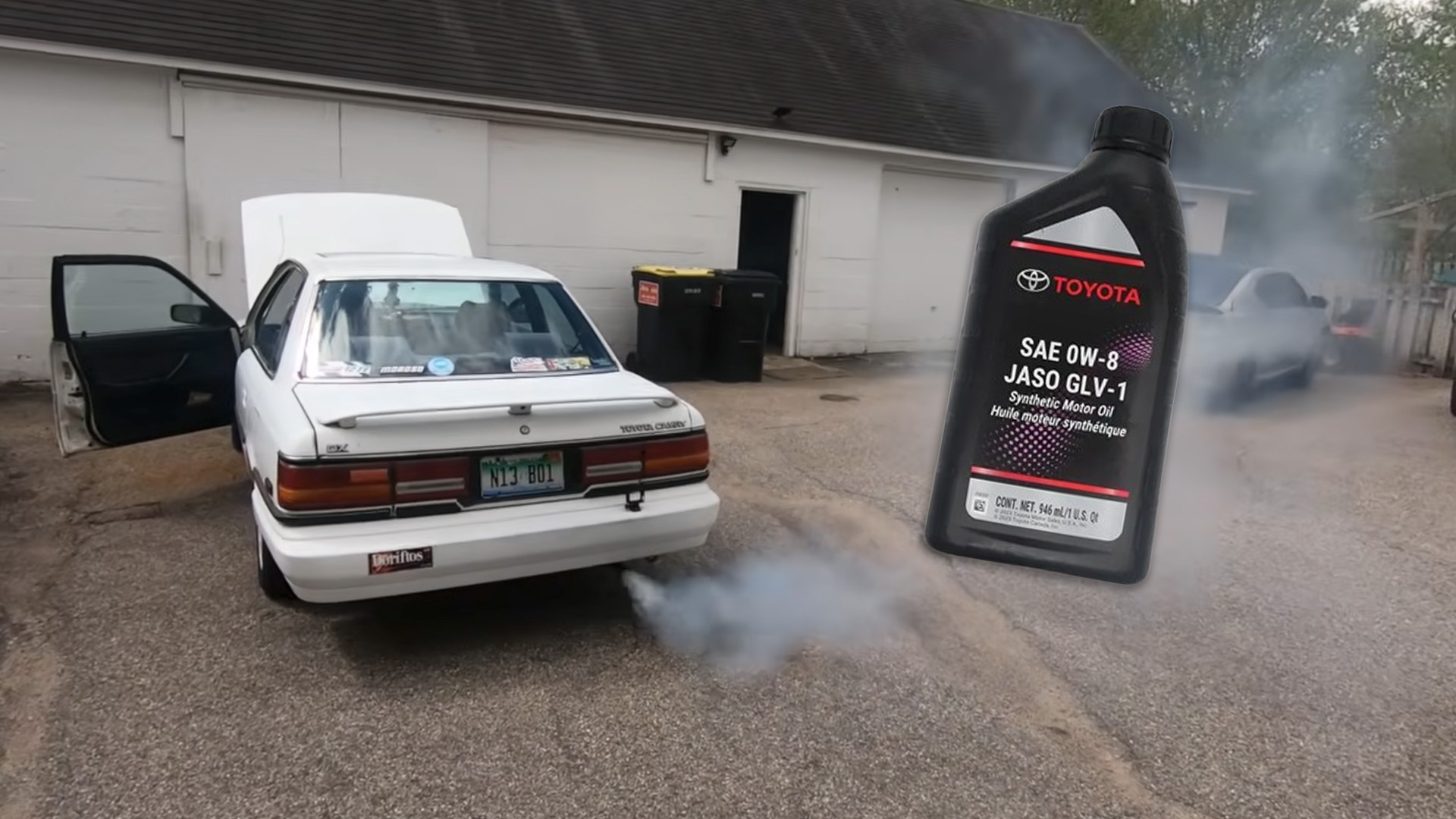
A heavily worn Toyota Camry with 330,000 miles on the odometer consumed oil at alarming rates when running 0W-8 synthetic oil, a viscosity well below manufacturer specifications. The ultra-thin 0W-8 formula failed to maintain adequate film strength in an engine with worn piston rings and cylinder walls, resulting in excessive oil consumption that ballooned operating costs.
Over 1,000 miles, the combination of fuel and oil expenses topped $230, according to calculations from the test. That figure reflects both the increased fuel consumption and the staggering oil burn rate the aged engine exhibited with the undersized oil. Toyota specifies 0W-20 for modern Camrys, a significantly thicker film that better seals worn engine components.
This serves as a cautionary tale about chasing fuel economy gains through lower-viscosity oils. While modern engines benefit from lighter oils that reduce friction, older or deteriorated engines with internal wear require heavier formulations to maintain protection. The Camry's extended mileage left clearances between moving parts far larger than factory tolerances, allowing the thin 0W-8 to slip past piston rings instead of sealing combustion pressure.
The test highlights why manufacturers engineer viscosity specifications for expected engine condition at each vehicle's design stage. Dropping down two viscosity grades did save fuel initially, but the dramatic oil consumption offset any pump economy gains entirely. Engineers designed these specifications to balance protection, efficiency, and real-world longevity across typical vehicle lifespans.
Drivers maintaining high-mileage vehicles should stick to manufacturer recommendations. Deviating to thinner oils on worn engines represents false economy. The Camry's situation demonstrates that running the wrong oil costs money in both the short term and across the life of an already-aging vehicle.
THE BOTTOM LINE: Thinner oil