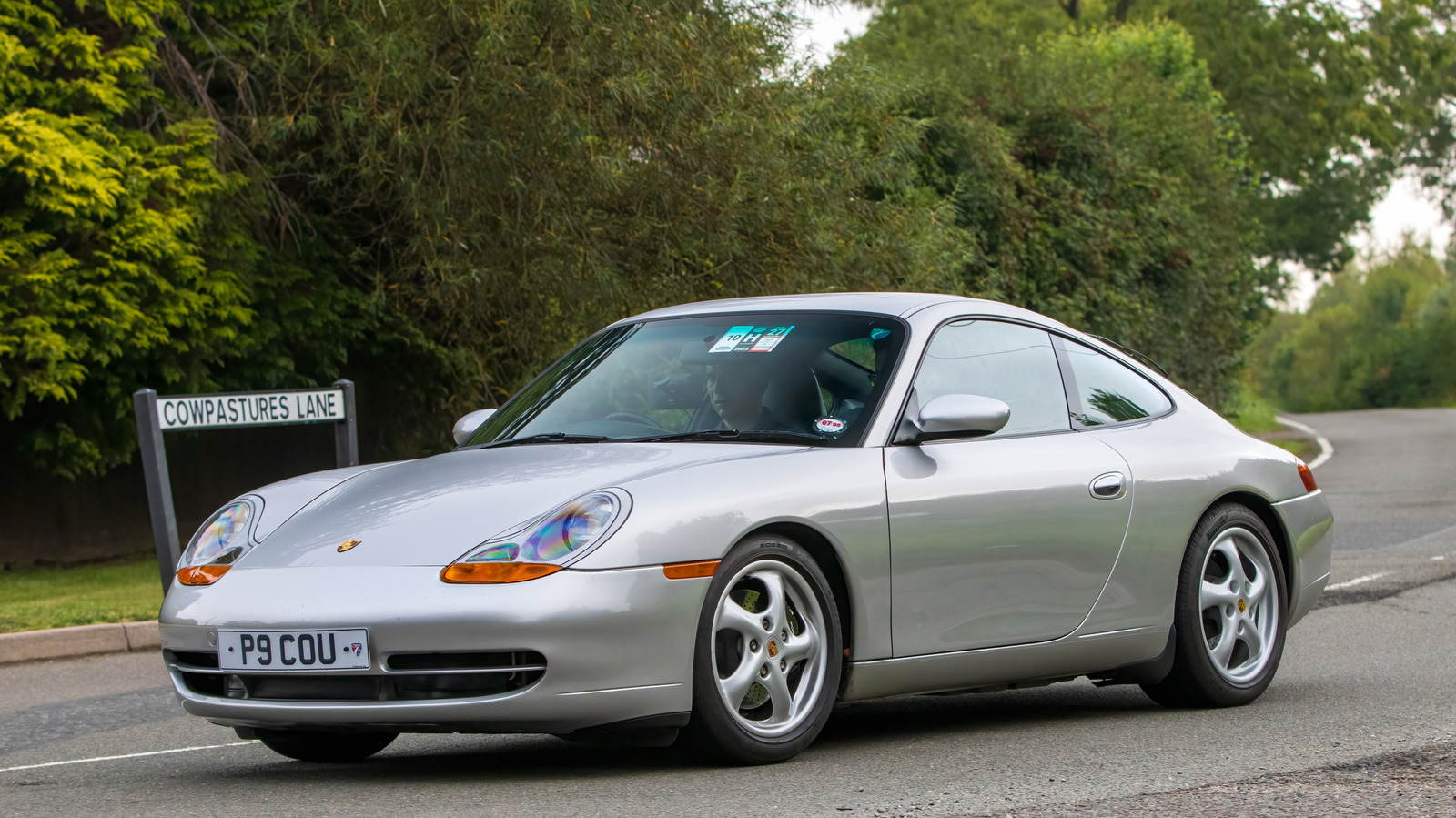
The 996 Porsche 911 remains one of the most affordable entry points into 911 ownership, but buyers chase bargains at their peril. The water-cooled engine introduced in 1998 brought cheaper maintenance than air-cooled predecessors, yet a specific structural weakness plagues the generation.
The 996's intermediate shaft, also called the IMS bearing, sits at the heart of the problem. This component fails catastrophically without warning, often leaving owners stranded with repair bills exceeding $10,000. The bearing lacks adequate lubrication in certain production years, causing metal-on-metal contact that destroys the engine. Once that bearing seizes, the engine follows.
Models from 1998 to 2005 carry the highest risk. The 996 Turbo and GT2 variants avoid the issue entirely due to different engineering. Porsche eventually redesigned the bearing for 2009 onward, but first-generation 996s remain vulnerable.
Smart used-car shoppers demand proof of either a factory recall fix or an upgraded bearing installation before purchase. Some owners opt for preventative replacement before failure occurs, a costly but insurance-heavy decision. Others gamble and drive on, hoping their particular car escaped the defect lottery.
The IMS bearing problem overshadows what could otherwise be a genuinely engaging sports car. The 996 delivers real performance at secondhand prices unreachable elsewhere. Its design divides purists who preferred the air-cooled aesthetic, yet the water-cooled architecture fundamentally modernized the platform. Low purchase prices make 996s tempting, but that cheap entry point evaporates fast if you inherit a ticking time bomb.
Before signing papers on any 996, verify maintenance records documenting the bearing fix. Skip this step and you're not buying a bargain 911. You're betting your