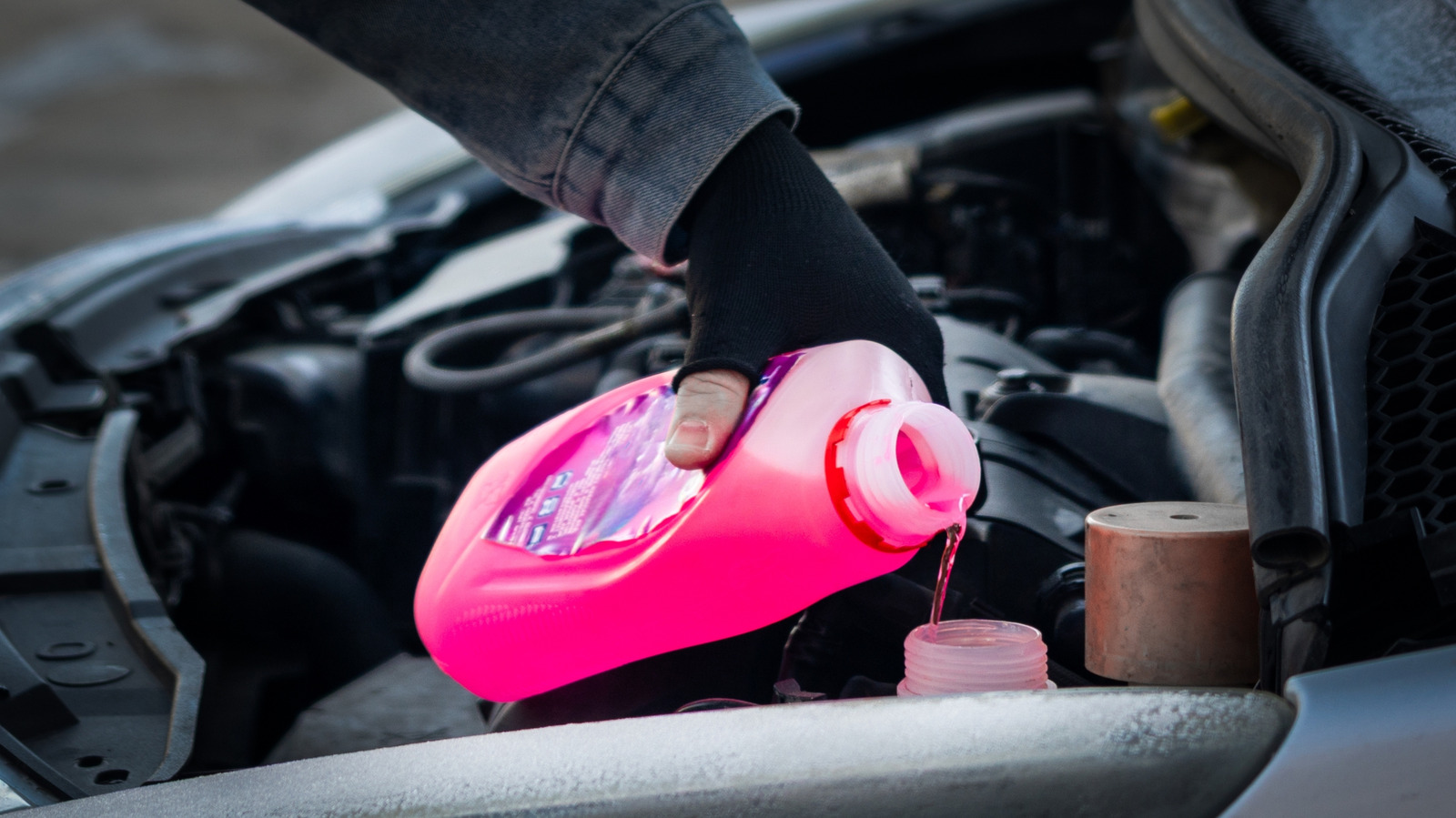
Heavy-duty truck diesel engines and passenger car gasoline engines operate under fundamentally different conditions, which explains why their coolants differ significantly.
Passenger cars typically use either ethylene glycol or propylene glycol-based coolants mixed with water. These formulations work in engines operating at moderate temperatures and pressures, designed for roughly 30,000 to 50,000-mile service intervals. The additives in car coolants protect against corrosion and scale buildup in aluminum and iron components common in lighter engines.
Heavy-duty truck coolants, particularly those designed for diesel engines, operate under far more extreme conditions. Diesel engines generate higher combustion temperatures and pressures. They also run for extended periods, sometimes accumulating 300,000 miles or more before major service. Truck coolants contain different additive packages, including supplemental coolant additives (SCAs) that prevent cavitation erosion, a phenomenon where vapor bubbles collapse and damage cylinder liners in high-stress diesel engines.
The chemistry matters. Truck coolants typically use different inhibitor packages and bittering agents than car coolants. Extended-range diesel coolants maintain their protective properties longer under sustained heat cycling. They're formulated to work in larger cooling systems with different metallurgy, including copper-brass components more common in truck radiators and engine blocks.
Mixing them creates problems. Using car coolant in a heavy-duty diesel truck compromises protection against cavitation and scale buildup. Conversely, truck coolant in a passenger car may leave residue or interact poorly with aluminum components designed for lighter formulations.
Manufacturers specify the correct coolant type in owner's manuals for good reason. Cummins, Duramax, Powerstroke, and other heavy-duty engines have specific coolant requirements. Ignoring these specifications risks premature engine damage, especially in trucks running