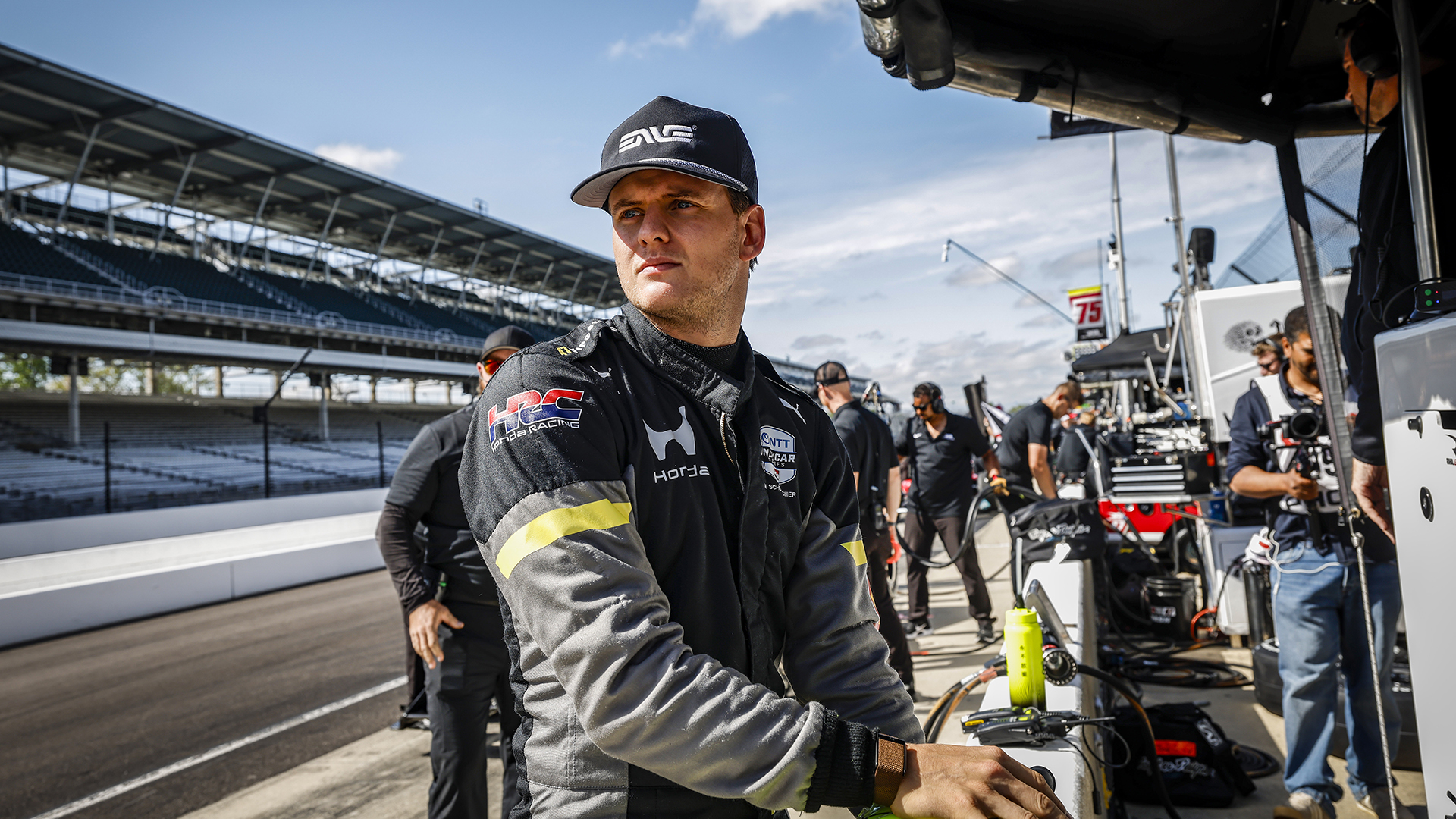
Mick Schumacher has moved on from his Formula 1 struggles and landed in IndyCar, where he's building an identity separate from his legendary father Michael. The 25-year-old driver spent three years in F1 with Haas between 2021 and 2023, posting minimal competitive results before his exit. Now competing in America's open-wheel series, Schumacher addresses the weight of the Schumacher name and his efforts to prove himself on merit rather than legacy.
The transition represents a significant shift for a driver who struggled to find pace against teammates in F1. Haas never positioned him as a championship contender, and his time in the grid highlighted the gap between junior series success and elite-level racing. IndyCar offers a different platform, with more overtaking opportunities and closer competition than modern F1. The series also attracts talented drivers who didn't make F1 their home, creating a competitive but less hierarchical environment.
Schumacher's move reflects broader trends in professional motorsport. Drivers no longer view the sport in linear fashion. Top single-seater talent flows between series based on opportunity rather than only vertical progression. IndyCar has strengthened considerably as a destination for serious drivers, not a fallback option.
In America, Schumacher operates away from the intense media scrutiny that followed him in Europe. The Schumacher family carries unmatched historical weight in F1, where his father won seven world championships. Racing in the United States provides psychological relief and a chance to establish his own record without constant comparison.
Schumacher's openness about this transition signals maturity. He acknowledges the reality that not every talented driver succeeds at F1's top level, and that alternative series offer legitimate competition and fulfillment. His IndyCar campaign tests whether his abilities translate to a different technical and