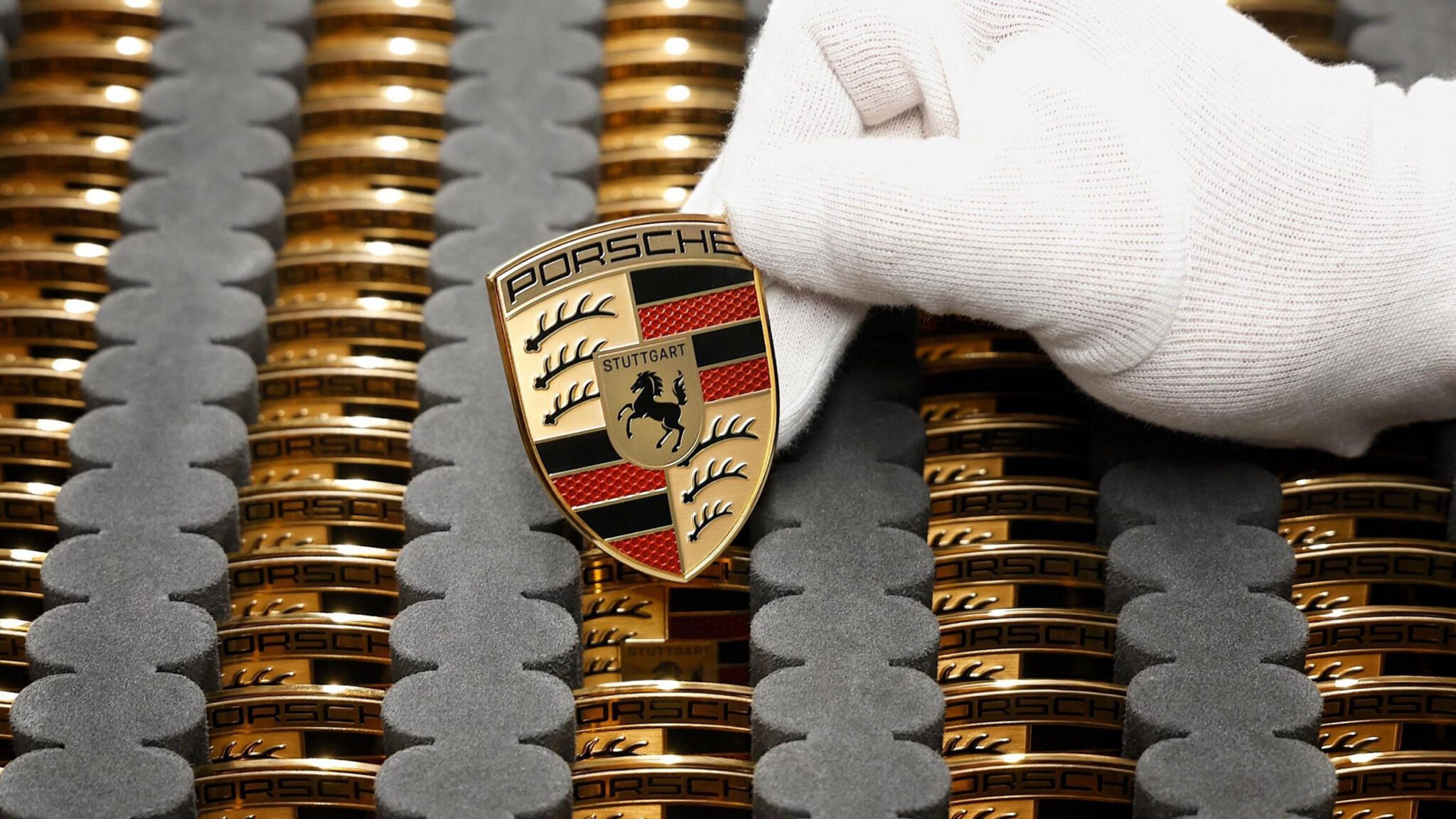
Porsche is shuttering three subsidiaries and cutting over 500 jobs as part of a broader restructuring effort. The closures affect Cellforce, Porsche eBike Performance, and Cetitec, marking a significant contraction of the sports car maker's business portfolio.
Cellforce, a battery technology joint venture Porsche established with Customcells, represented the brand's push into advanced energy storage development. The unit focused on high-performance battery cells designed for electric vehicles and potential grid applications. Porsche eBike Performance, the brand's foray into premium electric bicycle manufacturing, never gained substantial market traction despite Porsche's engineering reputation. Cetitec, less prominent in Porsche's public messaging, rounds out the casualty list.
These moves signal Porsche's financial pressure and shifting strategic priorities. The parent Volkswagen Group faces mounting EV development costs, supply chain challenges, and slowing electric vehicle demand across Europe. Rather than spreading resources across experimental divisions with limited revenue generation, Porsche concentrates on core sports car production and its luxury electric future anchored by models like the Taycan.
The job cuts reflect brutal industry realities. Traditional automakers are shedding headcount across the board as legacy combustion engine programs wind down and EV transitions prove more capital-intensive than initially forecasted. Porsche employed roughly 18,000 people before these cuts, so 500-plus departures represent a roughly 3 percent reduction, modest by recent industry standards but not insignificant.
Porsche's focus narrows to what it knows best. High-margin 911s, Panameras, and Caymans remain production priorities. The Taycan, now in its second generation, gets development investment. Experimental battery ventures and lifestyle e-bike projects fall away.
This consolidation pattern echoes across