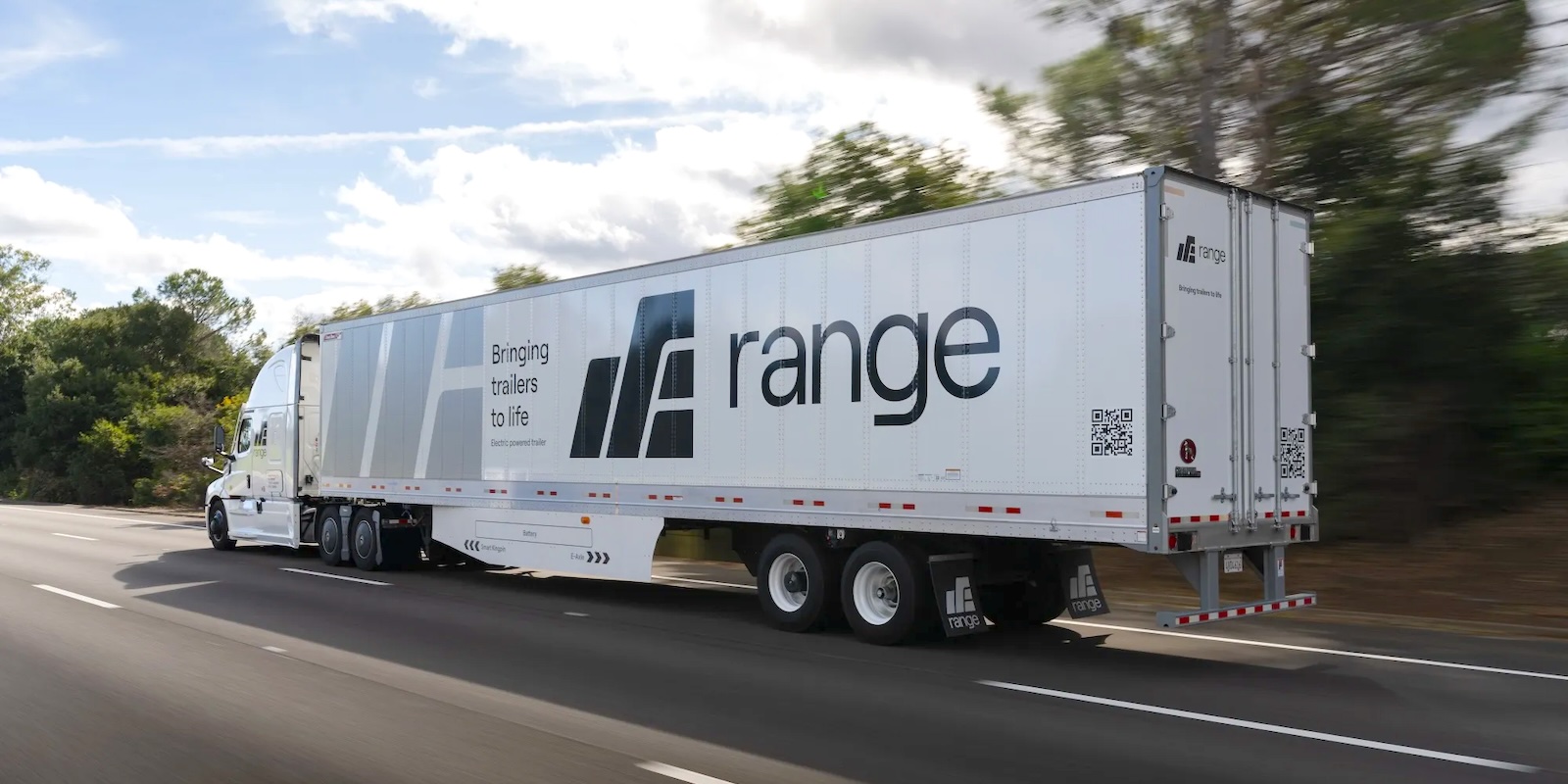
Range Energy unveiled an electric trailer designed to ease the commercial trucking industry's EV transition at ACT Expo 2026. The company's approach sidesteps a major adoption barrier: operators need not replace their existing diesel tractors.
Vice President of Product Collin MacGregor highlighted three core advantages of the electric trailer system. First, it reduces freight operating costs by shifting propulsion to battery power instead of fuel consumption. Second, the trailer provides grid-support capabilities, allowing operators to harness vehicle-to-grid technology during downtime or peak demand periods. Third, and most strategically, the solution works with current truck fleets without forcing expensive equipment swaps.
This matters because trucking companies resist full electrification due to upfront capital costs and limited charging infrastructure. By pairing conventional tractors with electric trailers, Range Energy removes the all-or-nothing decision that stalls EV adoption in freight. Operators gain environmental and cost benefits while protecting their existing tractor investments.
The electric trailer concept addresses a real industry pain point. Heavy-duty trucking generates massive emissions but operators operate on razor-thin margins. A retrofit approach rather than wholesale fleet replacement accelerates electrification timelines while improving economics.
Range Energy's strategy aligns with broader market trends. Other companies pursue battery-electric tractors, but the trailer-based approach offers pragmatic flexibility. Fleets can gradually phase in electrified units across their operations, mixing and matching equipment based on route requirements and operational constraints.
Grid support represents an underutilized advantage in EV marketing. As electricity demand grows and renewable generation fluctuates, mobile battery packs become valuable infrastructure assets. Paying operators to provide grid services transforms trucks from cost centers into revenue generators during idle periods.
The timing matters too. Major retailers and logistics companies face mounting pressure to reduce carbon footprints. Electrified trailers provide measurable progress