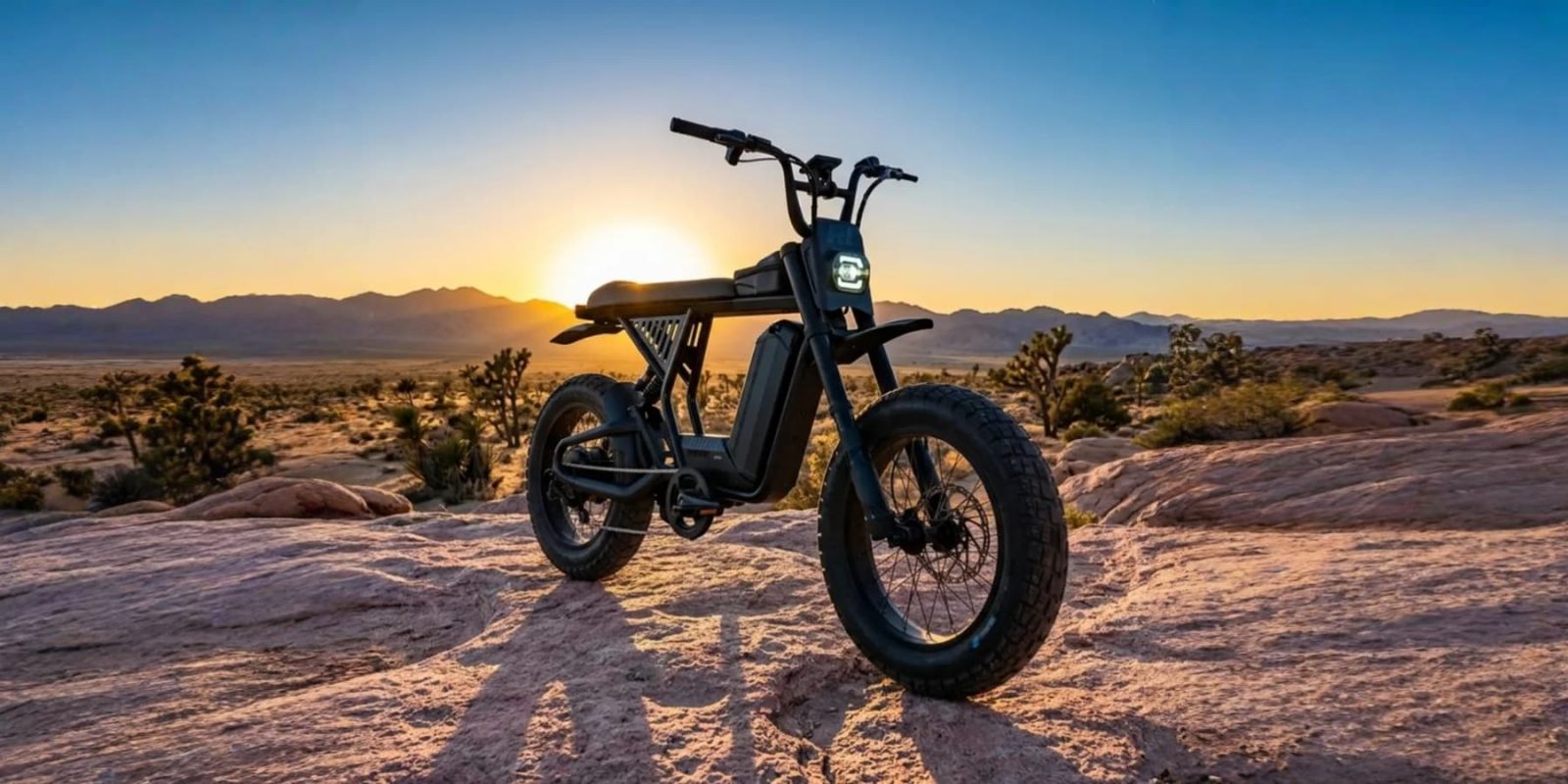
Semi-solid state battery technology is finally moving from lab promises to e-bike production. For years, manufacturers hyped next-generation batteries as imminent, yet riders saw no real-world versions on actual models. That changes now.
E-bike makers are integrating semi-solid state cells into consumer products, marking a genuine shift from vaporware announcements. These batteries offer higher energy density than traditional lithium-ion packs, meaning longer range without adding weight. They also improve thermal stability and charge cycles, extending battery lifespan significantly.
The e-bike sector moves faster than automotive on new battery adoption. Companies face less regulatory complexity and smaller pack sizes than EV makers, letting them test and deploy emerging tech quicker. Semi-solid state chemistry reduces dendrite formation (the spiky lithium crystals that kill traditional cells), solving a core degradation problem.
Range improvement matters most to consumers. Today's premium e-bikes max out around 80-100 miles per charge on full suspension models. Semi-solid packs could push that to 120-150 miles, opening gravel and mountain routes previously impossible on single charges. Weight savings from higher energy density appeal to weight-conscious riders, particularly in road and cargo segments.
Cost remains the hurdle. Semi-solid cells cost significantly more than established lithium-ion production. Early adoption will appear on high-end models first, $2,500 and up. As volumes increase and manufacturing scales, prices will drop into mainstream categories within 3-5 years.
This development matters beyond bikes. E-bike battery progress often feeds automotive applications. EV makers watch closely as bike companies perfect semi-solid chemistry at scale. Success in the e-bike market validates the chemistry and manufacturing processes for larger EV packs.
The e-bike industry finally delivers on the battery promises it made years ago. Riders get real performance gains.