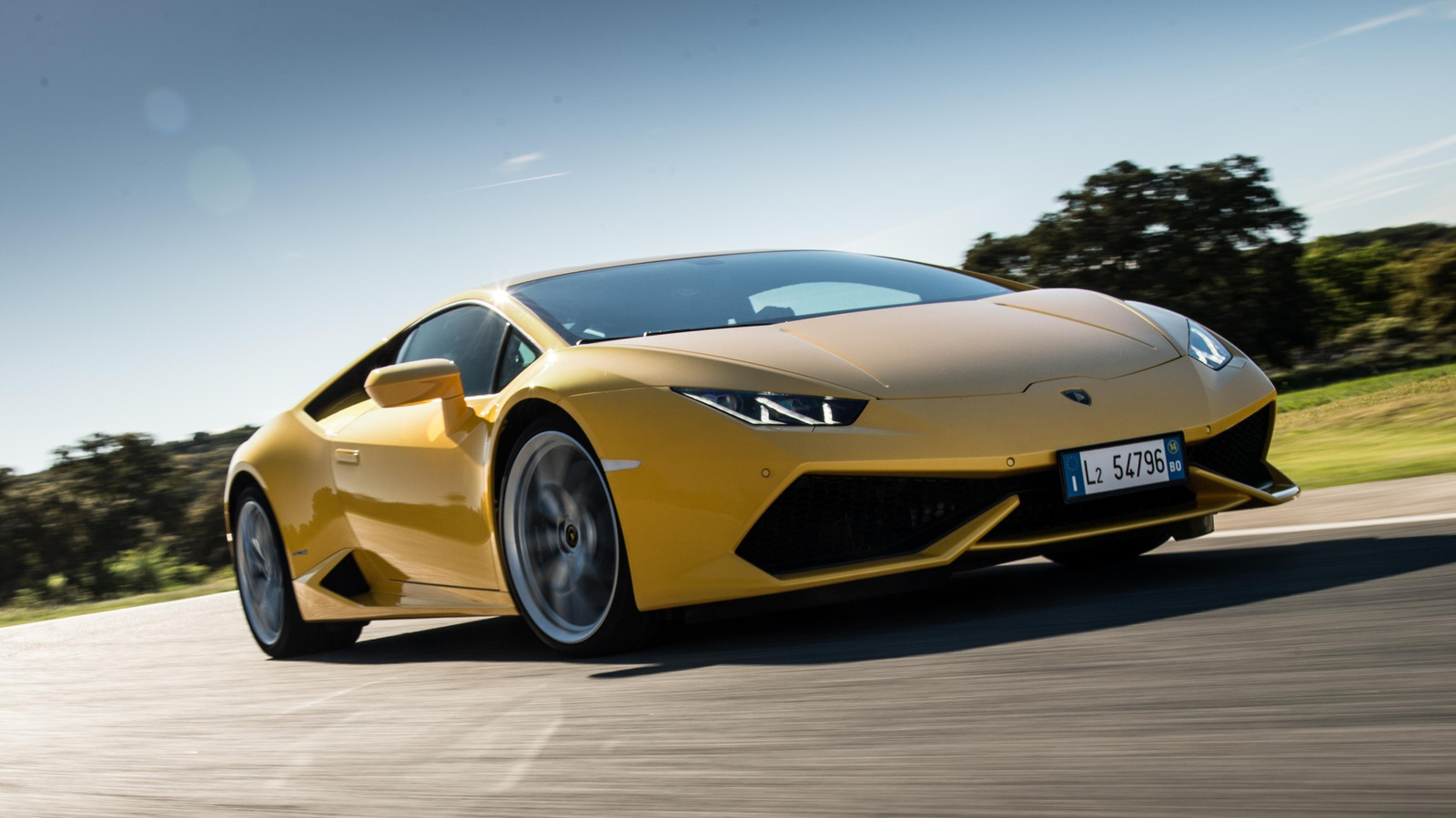
V10 engines carry a reputation for fragility, but several production models have proven otherwise through sustained real-world use. The complexity required to manage a ten-cylinder engine's inherent vibration and balance issues doesn't automatically doom reliability when engineers execute the design properly.
The BMW M5 E60 with its 5.0-liter V10 stands out as a legitimately durable platform when maintained. Early examples from 2005-2006 faced some teething problems, but later iterations delivered impressive longevity. Owners report six-figure mileage totals without catastrophic failure, provided oil changes stay current and the dual-VANOS variable valve timing system gets attention.
Dodge's 8.3-liter V10 in the Viper demands respect but rewards diligent ownership. This truck-derived engine prioritized simplicity over sophistication, using pushrod architecture instead of the overhead cam complexity found in European rivals. That design philosophy translated to genuine durability. Viper owners commonly exceed 100,000 miles without major engine work.
The Porsche Carrera GT's 5.7-liter dry-sump V10 represents another exception. Despite extreme output at 10,500 RPM, this engine demonstrated stability across thousands of miles when owners respected its demanding nature. Porsche's hand-assembly and quality control set a different standard than mass-production models.
The core issue with V10 reliability stems from cylinder count rather than inherent defect. Ten cylinders create a 72-degree firing interval that generates rhythmic imbalance. Addressing this requires secondary balancer shafts, complex crankshaft designs, and precision engineering that drives up manufacturing costs and complexity. When manufacturers commit resources properly, though, the payoff arrives in the form of durable engines.
Context matters significantly here.