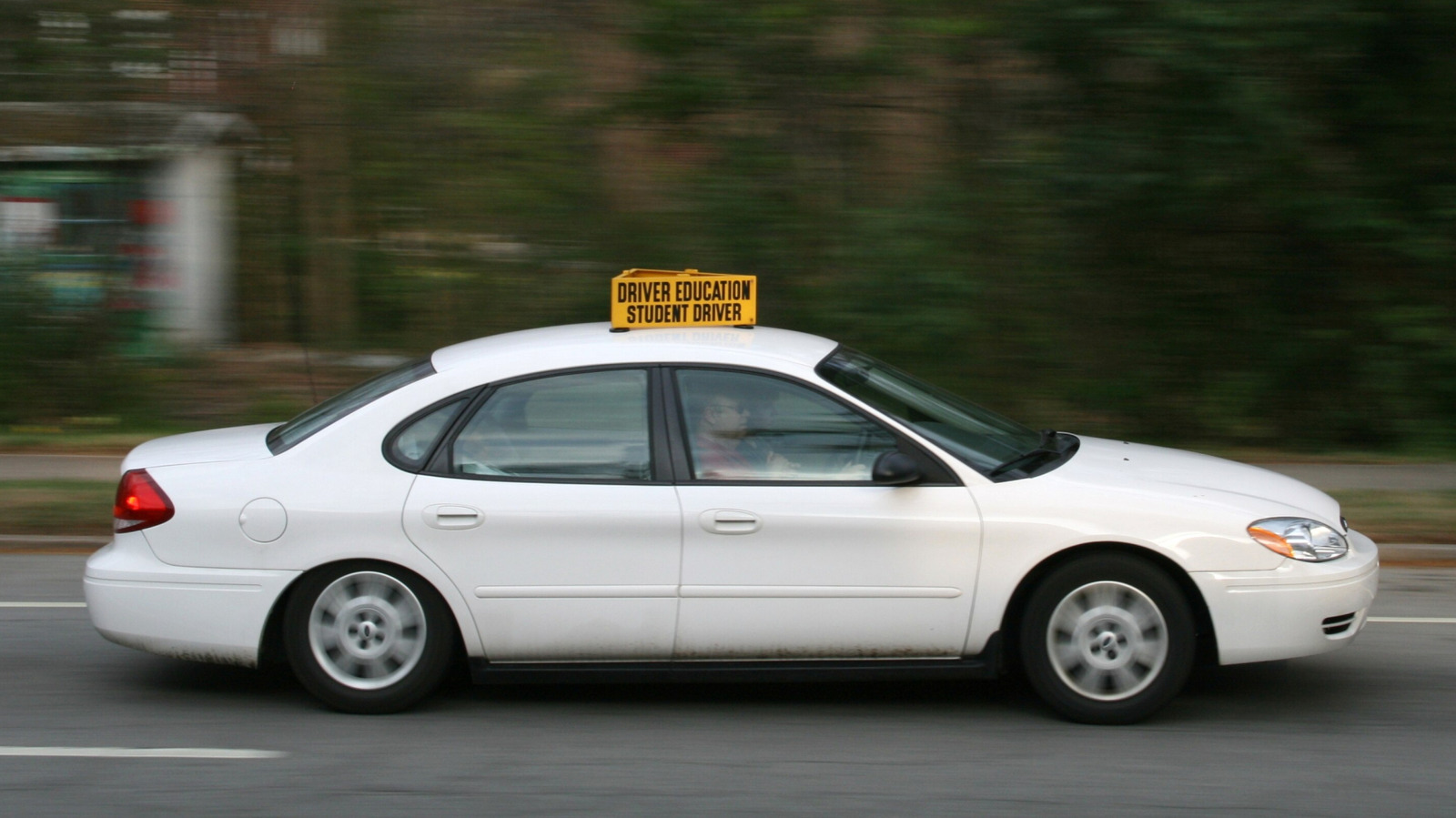
Driver's education requirements vary significantly by state, and adults seeking their first license cannot assume they're exempt from classroom instruction. Several states mandate formal driver's education courses even for applicants over 18, though the specifics differ based on state law and individual circumstances.
States that require adult driver's ed typically structure these courses differently than teen programs. Adult courses often compress material into shorter timeframes, recognizing that older learners typically grasp concepts faster and bring real-world maturity to the classroom. Some states allow online completion of the classroom portion, while still requiring in-car instruction with a certified instructor.
The practical driving test requirements also shift for adult first-time applicants. Most states require fewer practice hours behind the wheel compared to teen drivers, but the behind-the-wheel evaluation itself remains equally rigorous. A standard progression involves classroom instruction, a written knowledge test covering traffic laws and road signs, and a practical driving examination demonstrating vehicle control and safe decision-making.
Insurance considerations add another layer. Insurers often charge higher premiums for first-time drivers of any age, viewing lack of driving history as elevated risk. Some insurers offer modest discounts if applicants complete approved driver's education courses, creating financial incentive beyond legal requirement.
The takeaway: check your state's DMV website before assuming age exempts you from driver's ed. States including California, Florida, and Texas have specific mandates for adult first-time licensees. Completing a course, even when not legally required, builds defensive driving skills that actually matter on modern roads. The investment in formal instruction typically costs between $300 and $500 but pays dividends through insurance discounts and reduced accident risk.