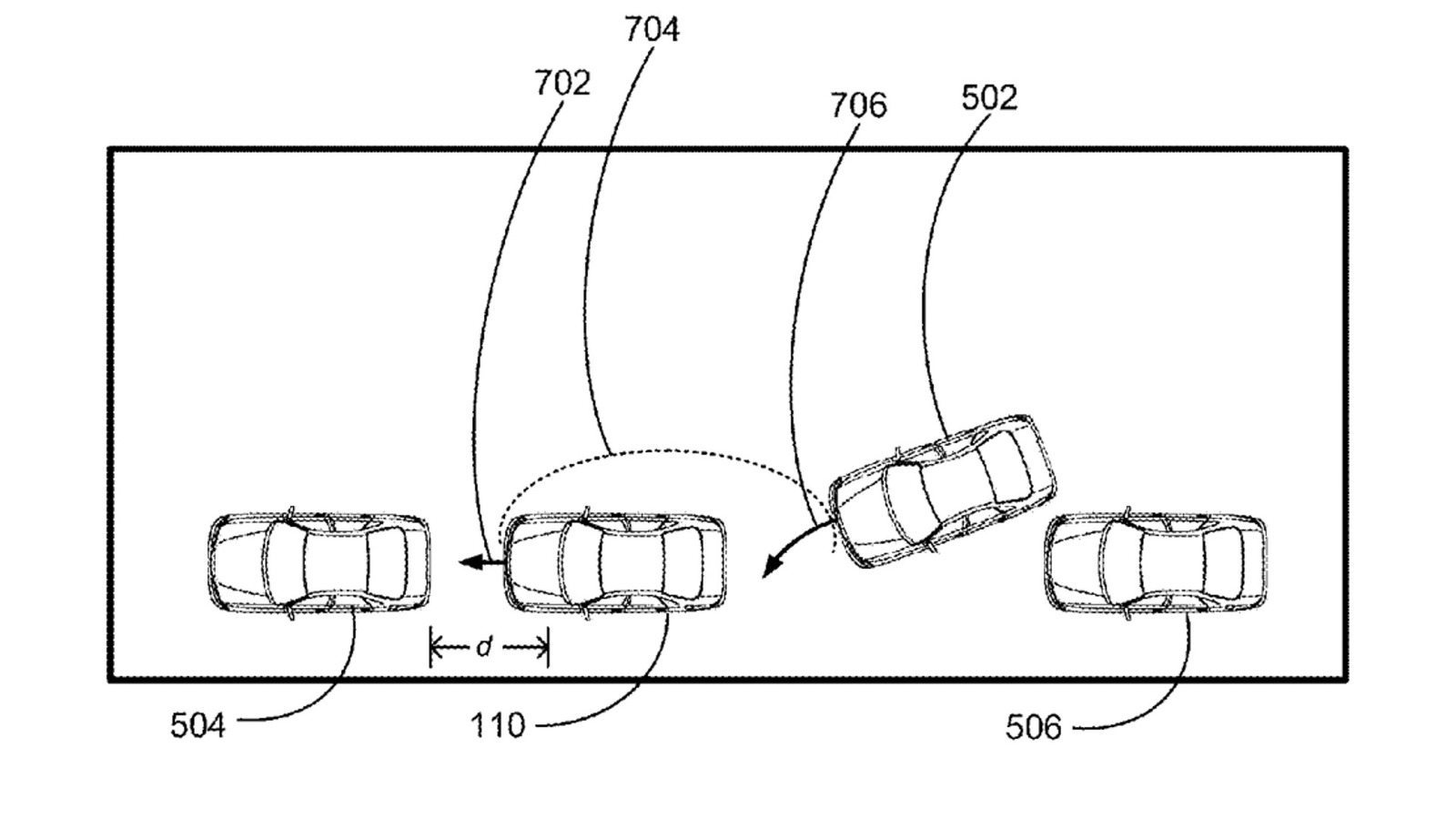
Ford has patented autonomous technology that enables parked vehicles to detect incoming collisions and move themselves out of harm's way without driver intervention. The system uses sensors to identify approaching vehicles and automatically engages the powertrain to relocate the parked car to safety.
This represents a notable shift in how automakers approach vehicle protection. Rather than relying solely on passive safety features like bumpers and crumple zones, Ford's patent describes an active defense mechanism. The tech monitors the immediate environment around a stationary vehicle and can execute evasive maneuvers if a collision appears imminent.
The practical applications are clear. Parked cars currently have no ability to respond to threats from distracted or reckless drivers. Insurance claims, body damage, and the inconvenience of repairs affect millions of vehicle owners annually. Ford's approach could theoretically reduce these incidents entirely for equipped vehicles.
However, regulatory hurdles present the real challenge. Current traffic laws don't account for vehicles moving themselves in parking situations. Liability questions emerge immediately. If a parked car moves to avoid a collision and hits another vehicle or pedestrian in the process, who bears responsibility. Ford's liability, the original driver's, or the vehicle's insurance.
Autonomous vehicle regulations remain fragmented across states and countries. Some jurisdictions allow limited autonomous operation on highways with active driver monitoring. Parking lot autonomy without human oversight exists in far fewer legal frameworks. The technology may work flawlessly from an engineering standpoint, but regulatory approval remains the actual barrier.
Ford joins other manufacturers exploring autonomous capabilities beyond traditional driver-assist features. Tesla, General Motors, and Waymo have all pushed regulatory boundaries with progressively autonomous systems. Each expansion into new use cases requires fresh legal interpretation and safety validation.
Whether this patent reaches production depends entirely on regulatory evolution. Ford clearly believes the technology works and merits commercialization. The patent filing signals engineering confidence. Real