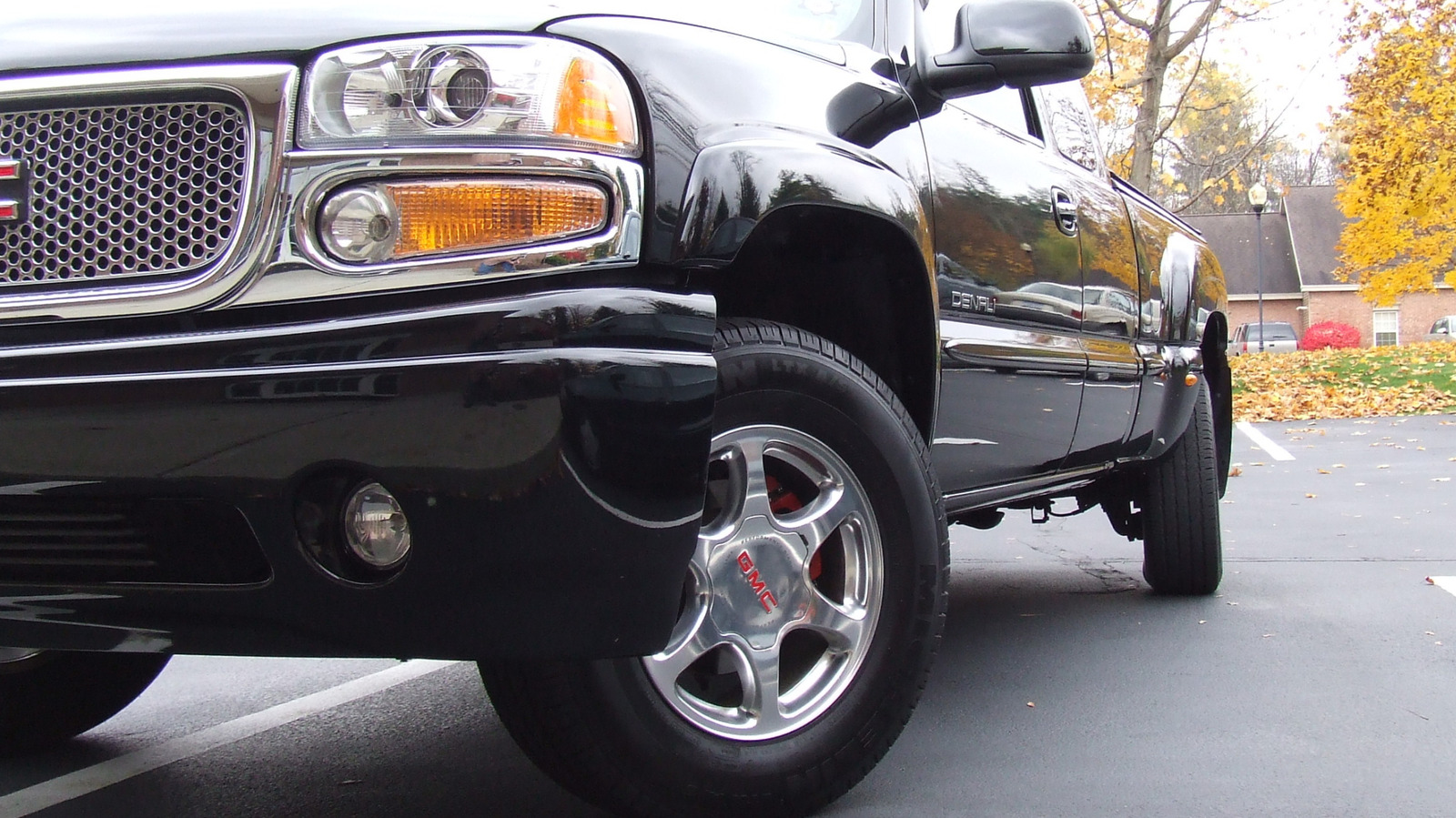
General Motors' Quadrasteer four-wheel steering system represented genuine innovation when it launched in 2002, yet the technology disappeared within a decade due to cost, complexity, and lukewarm market adoption.
Quadrasteer allowed the rear wheels of full-size Chevrolet Silverado and GMC Sierra pickups to turn up to 12 degrees in the opposite direction of the front wheels at low speeds, improving maneuverability in tight spaces. At highway speeds, the rear wheels turned in the same direction as the fronts, enhancing stability. The system earned automotive accolades and solved real problems for truck owners navigating parking lots and job sites.
The fatal flaw was economics. Quadrasteer added roughly $2,000 to the truck's price, and the added complexity meant higher maintenance costs and repair bills that dealers couldn't always handle competently. Hydraulic components required regular servicing. When rear wheel sensors or actuators failed, owners faced four-figure repair tabs for a feature that most buyers didn't consider essential.
GM discontinued Quadrasteer after 2006 on the Silverado and 2007 on the Sierra. The company simply couldn't move enough units to justify the engineering overhead. Buyers prioritized payload capacity, towing power, and fuel economy over parking ease. Fleet managers, who bought trucks in volume, rejected the system entirely due to maintenance concerns and total cost of ownership.
The system's disappearance highlights a recurring automotive pattern. Innovative features fail not because they don't work or lack engineering merit, but because they demand premium pricing in categories where customers resist paying extra. Four-wheel steering eventually found purchase with luxury brands like BMW and Mercedes in their high-end SUVs, where customers accepted the cost. In the truck market, where pragmatism dominates purchasing decisions, innovation took a backseat to practicality and price