# What A Wet Kit Does On Semi Trucks
Semi trucks haul cargo across thousands of miles under demanding conditions. A wet kit represents one of the specialized systems that keeps these machines operational in the field.
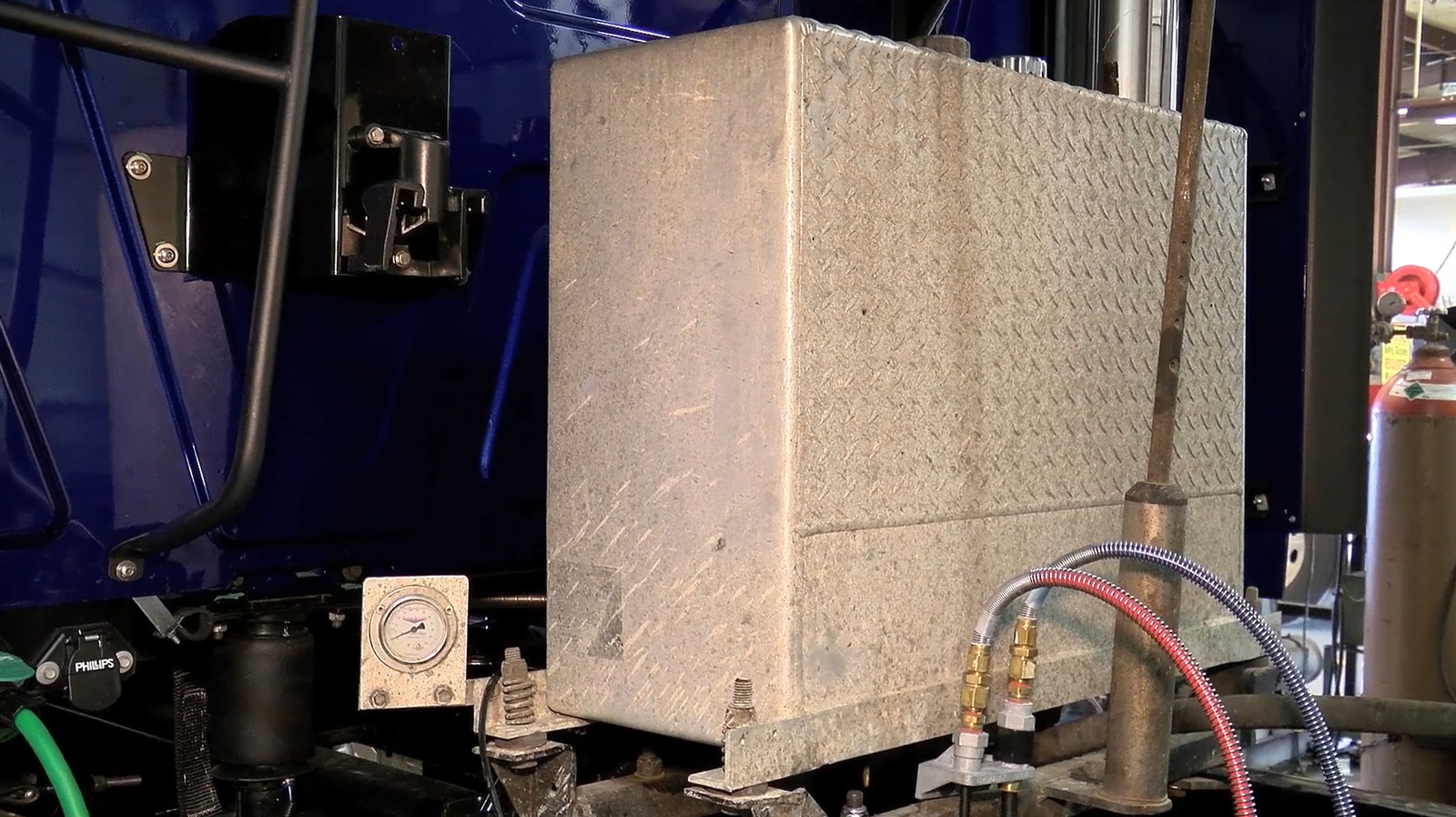
A wet kit enables a truck to power auxiliary hydraulic equipment without running the engine at full throttle or relying on the main transmission. The system taps into the truck's engine power to operate additional hydraulic pumps, which then supply pressure to equipment like dump beds, concrete mixers, or boom cranes mounted on the chassis.
The name comes from the hydraulic fluid that circulates through the system. Unlike a truck's main hydraulic circuit, a wet kit operates independently, allowing operators to activate hydraulic functions while parked or idling. This preserves fuel efficiency and engine life by preventing the need to rev the engine just to power secondary equipment.
Manufacturers integrate wet kits during production or add them as aftermarket upgrades. The system connects to the engine's power takeoff (PTO) shaft, which transfers rotational force to the auxiliary pump. Operators control flow and pressure through valve assemblies mounted in the cab.
Common applications include dump truck operations, where the wet kit powers the hydraulic cylinders that lift truck beds. Concrete delivery trucks use wet kits to keep their mixing drums rotating. Tow trucks rely on them for winch and boom operations.
The efficiency gains matter in logistics. Operators can complete loading and unloading tasks without burning fuel by running the engine at high RPMs. This extends engine service intervals and reduces operating costs on long-haul routes where auxiliary work happens frequently.
Different truck classes and manufacturers offer varying wet kit capacities. Flow rates typically range from 10 to 30 gallons per minute, scaled to match the specific equipment the truck carries.
For fleet operators managing specialized hauling work, a properly configured wet kit transforms a basic