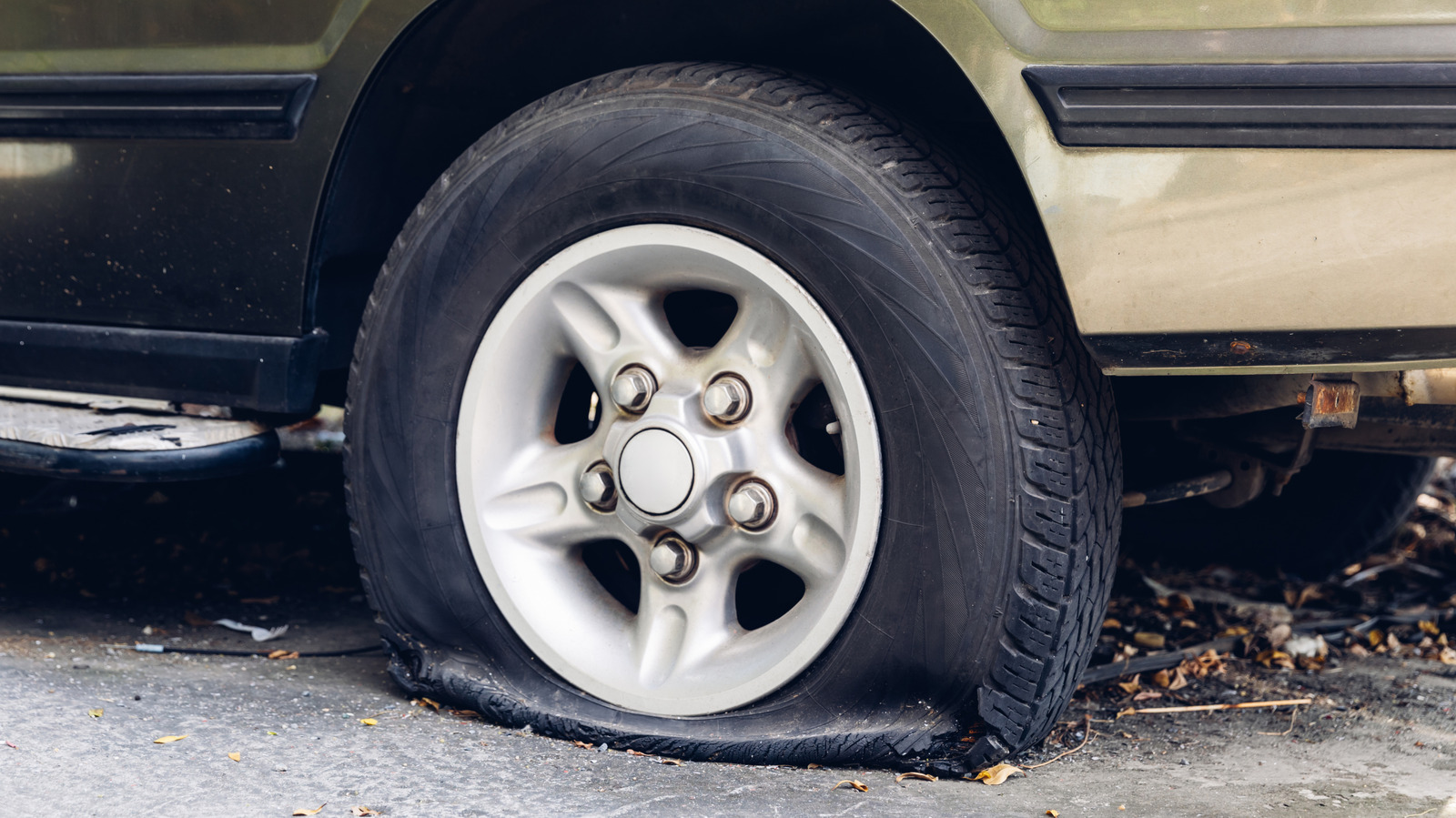
Tire pressure stands as one of the easiest maintenance items drivers overlook, yet it directly influences blowout risk and vehicle safety. Under-inflated tires generate excessive heat during driving as the sidewalls flex more than intended. This heat buildup weakens the tire structure from inside, eventually causing catastrophic failure at highway speeds.
Over-inflation creates the opposite problem. Excessive pressure concentrates load on the tire's center, reducing contact patch and grip. The sidewalls become rigid and more prone to splitting when hitting potholes or road debris. Both conditions accelerate wear and increase blowout likelihood.
Worn tread compounds the danger. As tires age, rubber hardens and loses flexibility. Combined with improper pressure, aged tires fail faster under thermal stress. Most tire shops recommend replacement at 4/32nds of an inch tread depth, well before the legal 2/32nds minimum.
Road hazards like potholes, sharp debris, and rough pavement inflict damage that pressure anomalies amplify. A properly inflated tire better absorbs impacts. An under-inflated tire buckles excessively under the same force, potentially puncturing the sidewall instantly.
Temperature changes also matter. Cold weather drops tire pressure roughly 1 PSI per 10-degree Fahrenheit drop. Many drivers fail to compensate, running soft tires through winter without adjustment. Heat from driving compounds the effect, creating conditions ripe for failure.
Check tire pressure monthly using a reliable gauge. Find the manufacturer's recommended PSI on the driver's door jamb, not the sidewall maximum. That sidewall number represents the tire's pressure limit, not the vehicle's requirement. Keep a portable compressor handy for quick adjustments at gas stations or home.
Proper tire maintenance costs nothing but attention. The fifteen-minute monthly check prevents expensive roadside breakdowns,