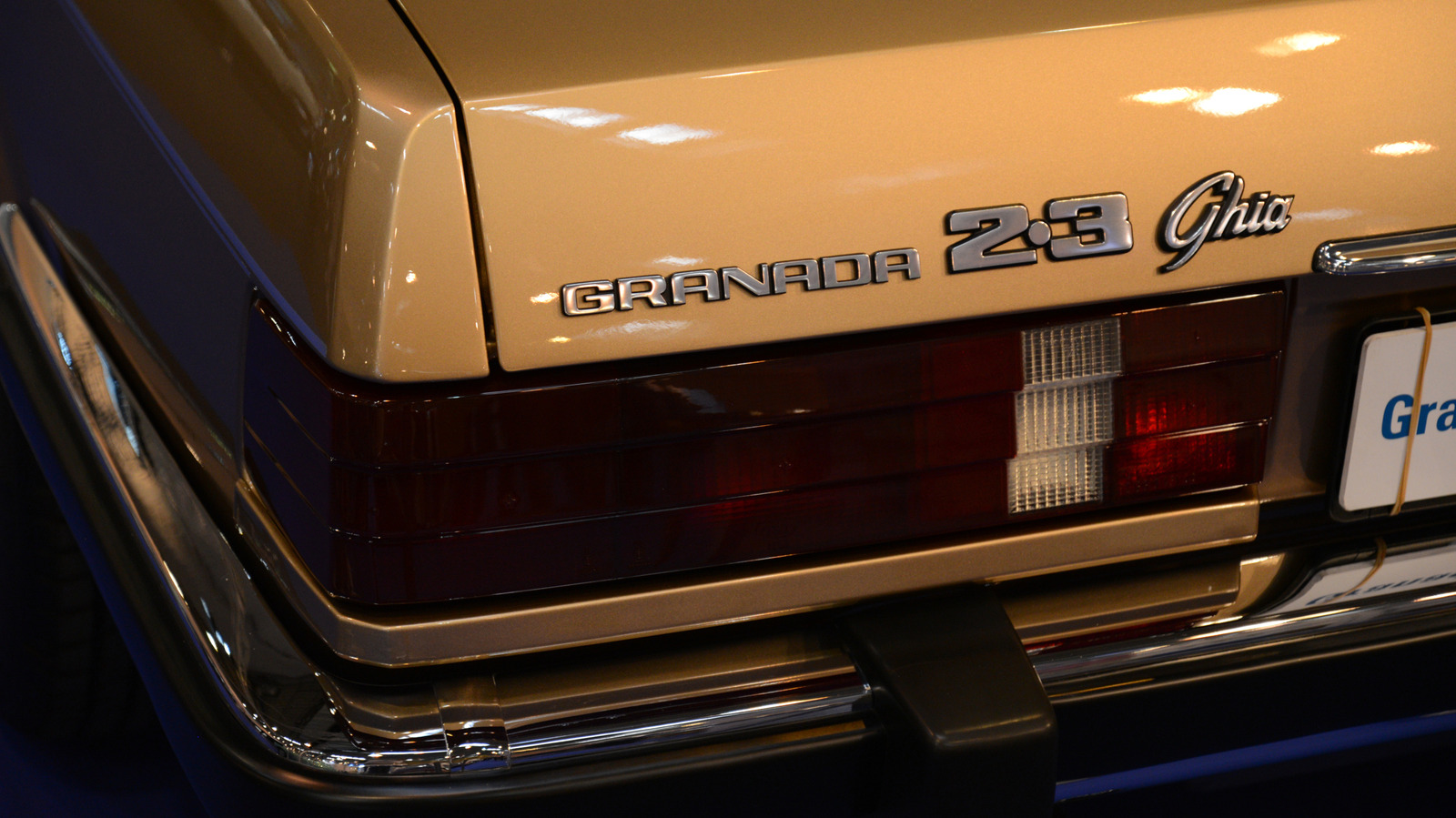
Ford discontinued the Ghia nameplate in the early 2000s after decades as the automaker's premium trim level. The Ghia badge, which debuted in the 1970s, represented Ford's top-tier offering across multiple models including the Mustang, Thunderbird, and Granada. The trim combined luxury appointments with solid engineering, making it accessible to buyers seeking upscale interiors without luxury-brand pricing.
By the 1990s, however, market dynamics shifted. Consumers increasingly gravitated toward sport and performance variants rather than comfort-focused luxury trims. Ford's own lineup began emphasizing names like SVT (Special Vehicle Team) for performance models, while luxury buyers migrated to dedicated brands like Lincoln. The Ghia badge lost relevance as Ford repositioned its brand strategy around SUVs and trucks, where trim hierarchies followed different naming conventions entirely.
Ford also faced pressure from competitor naming schemes. Chevy's Silverado and GMC's Sierra used Alpha-numeric designations and descriptive trims like LTZ and Denali, which proved more flexible for marketing purposes. Lincoln's separate brand identity further cannibalized potential Ghia sales in the premium segment. Rather than maintain an aging marque with diminishing brand recognition, Ford chose to consolidate under simpler trim structures. XLT, Lariat, and King Ranch became the company's preferred hierarchy for trucks and SUVs.
The final Ghia models rolled off assembly lines as the 2000s approached. Today, Ford occasionally revives historical names for special editions, but Ghia remains retired. The nameplate represents a different era of automotive marketing, when luxury meant leather and wood grain rather than connectivity and performance metrics. Its absence reflects how completely the industry has transformed since the Ghia's heyday, when trim levels mattered more than technological features in defining a vehicle's worth